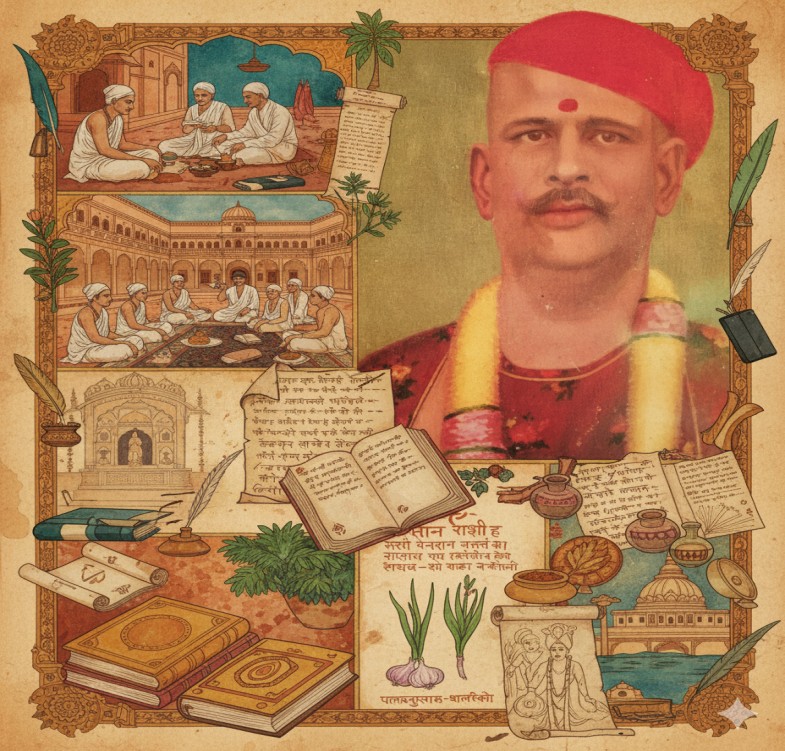
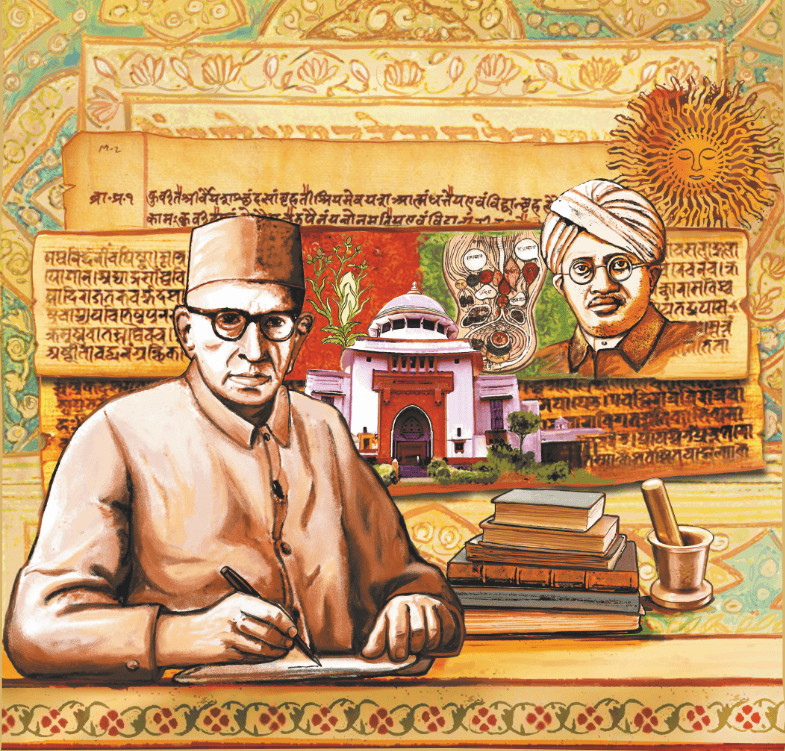


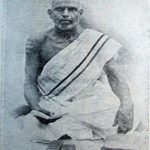
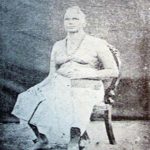
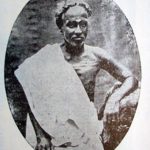
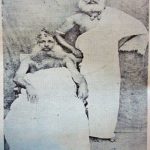
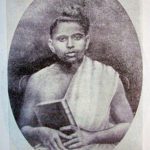
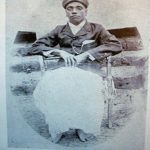
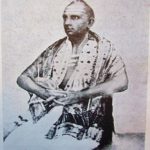
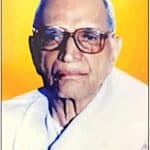
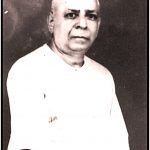
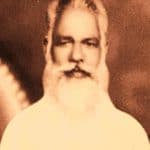
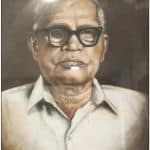
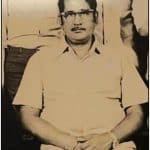
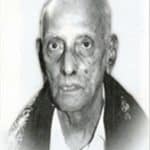
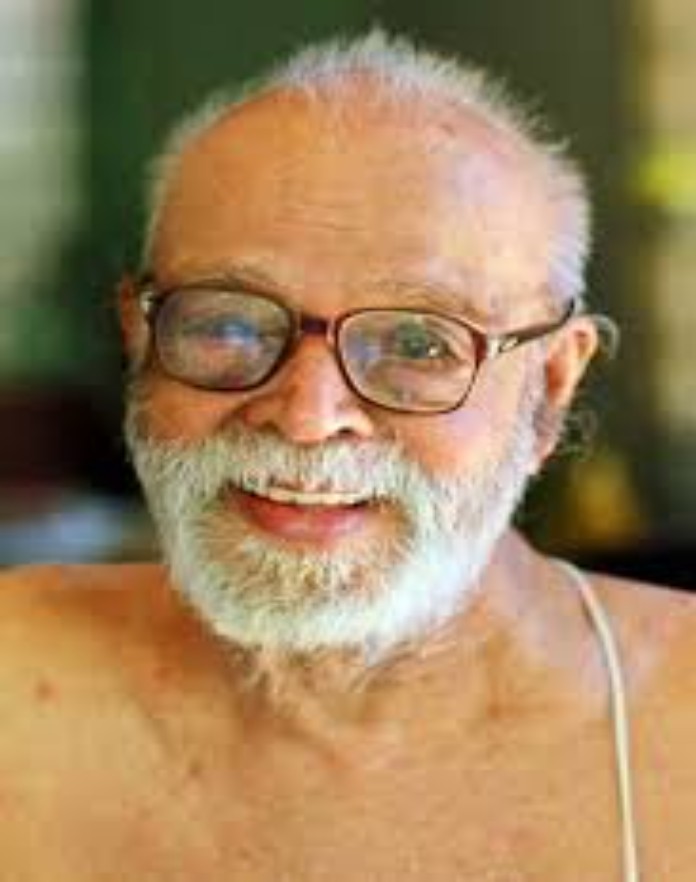
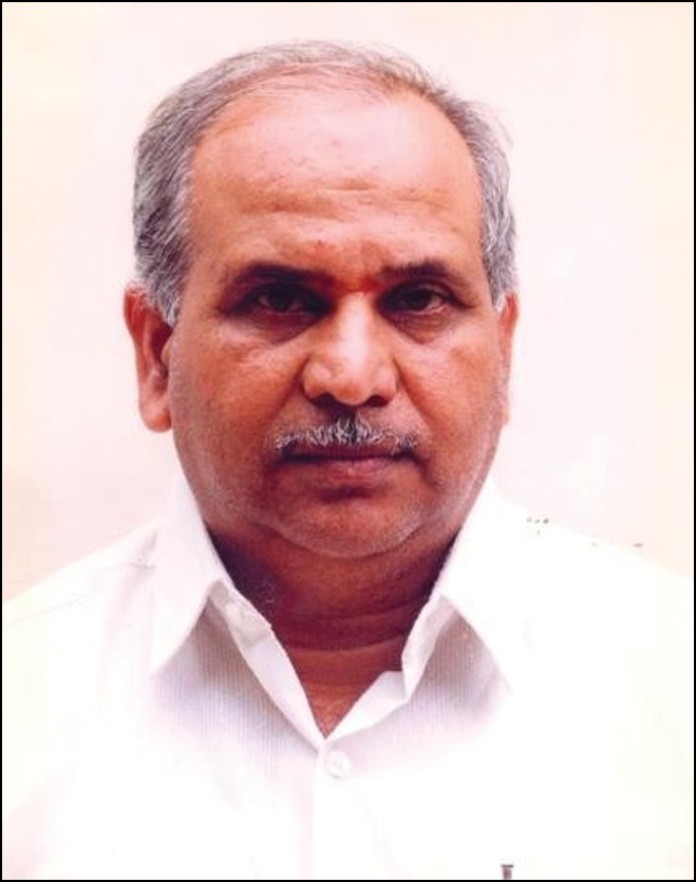
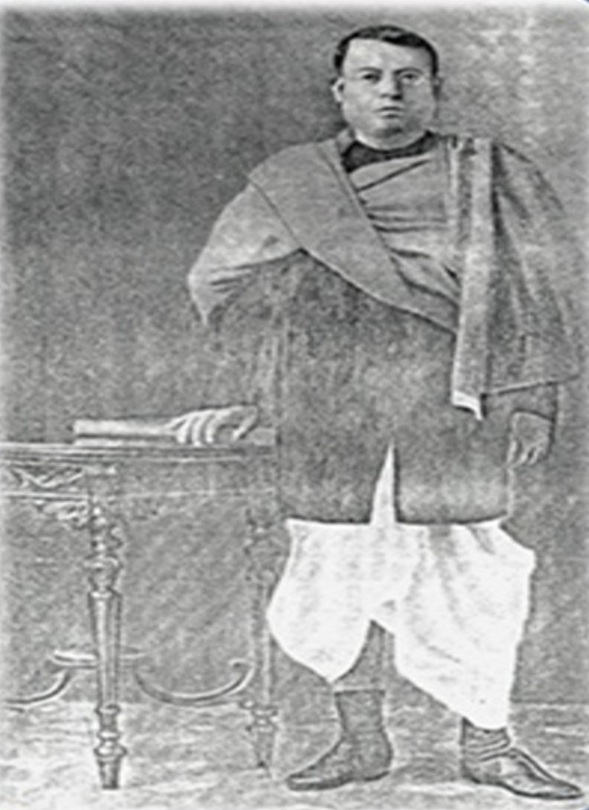
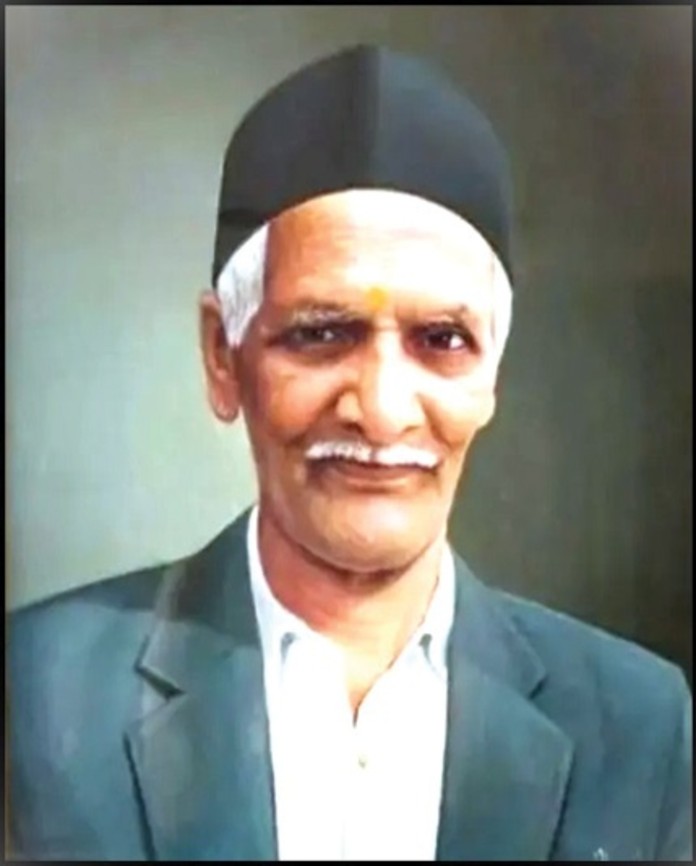
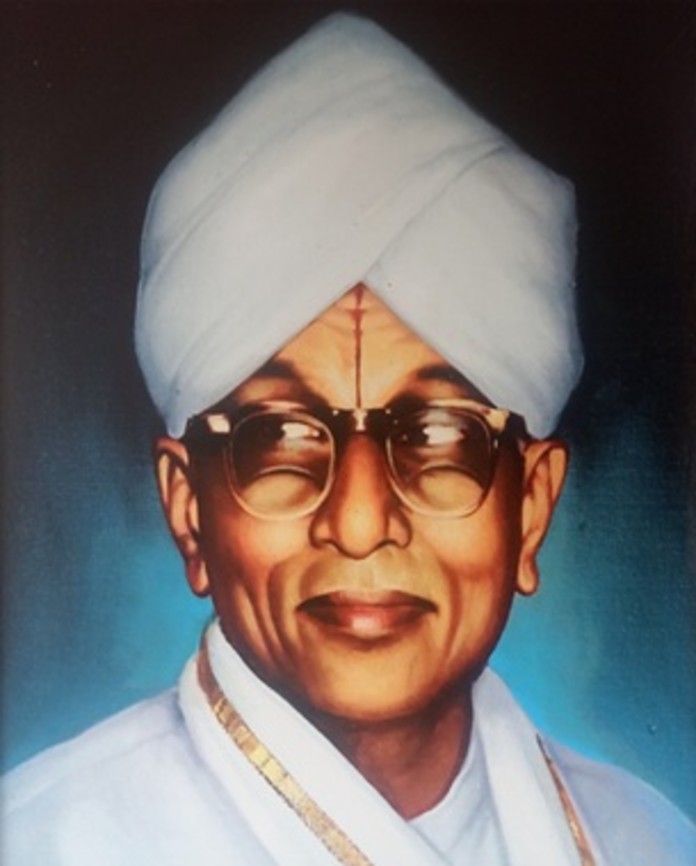
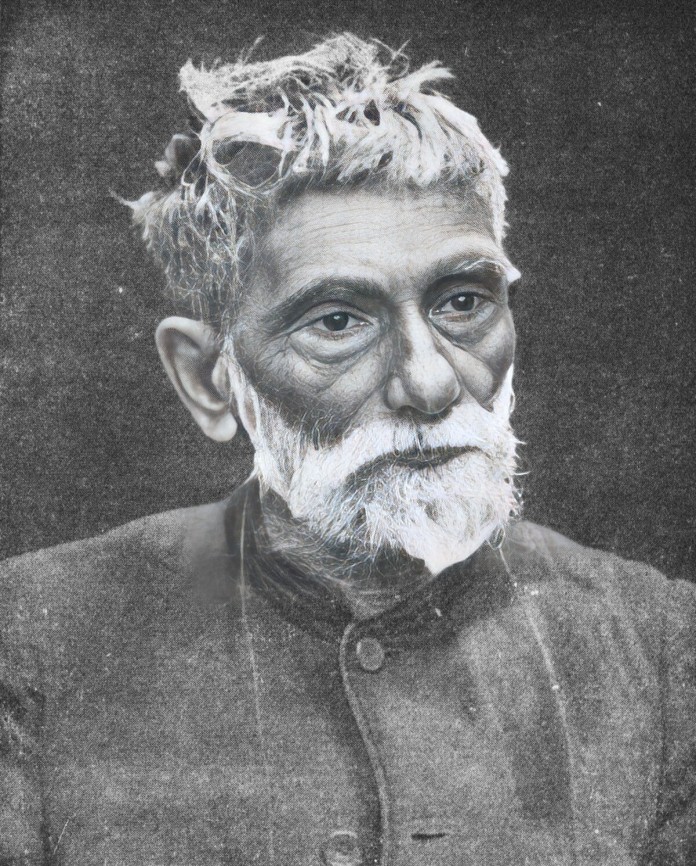
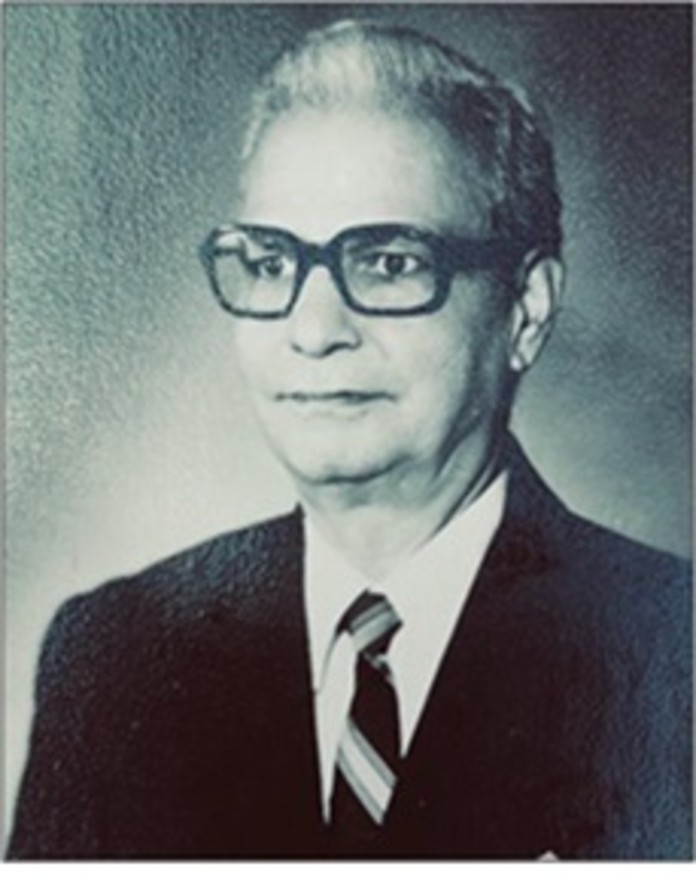
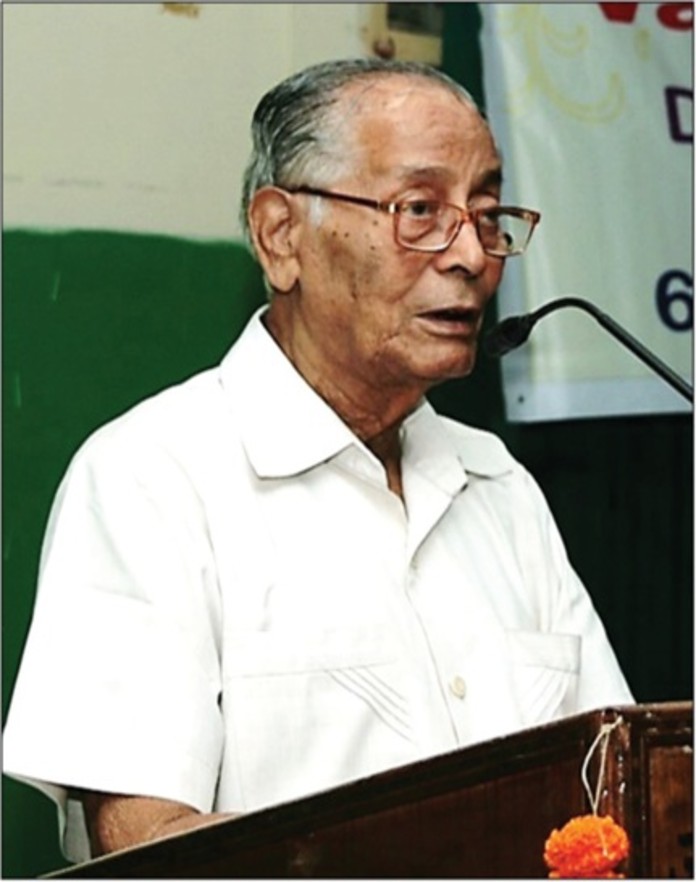
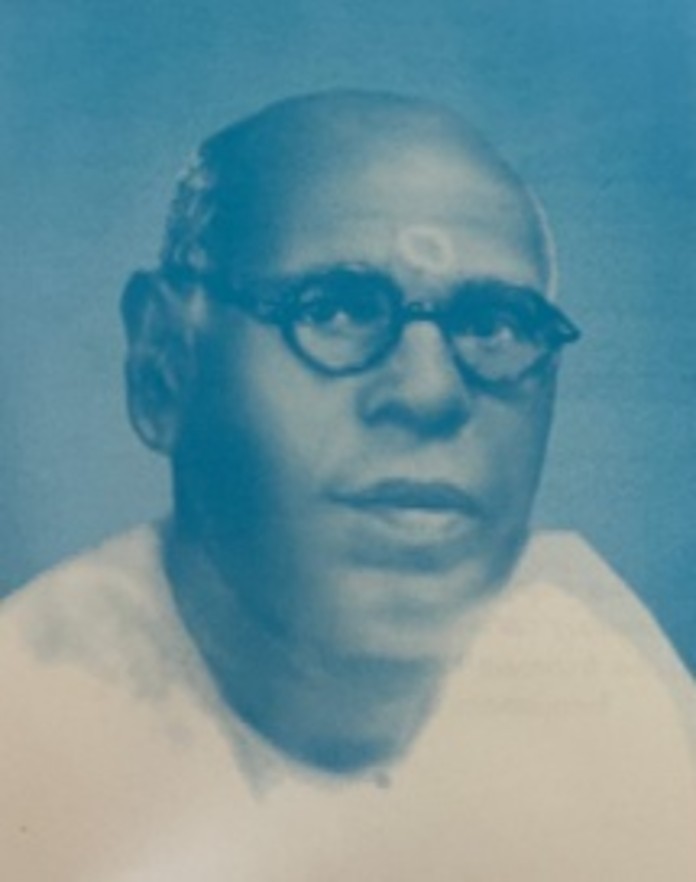
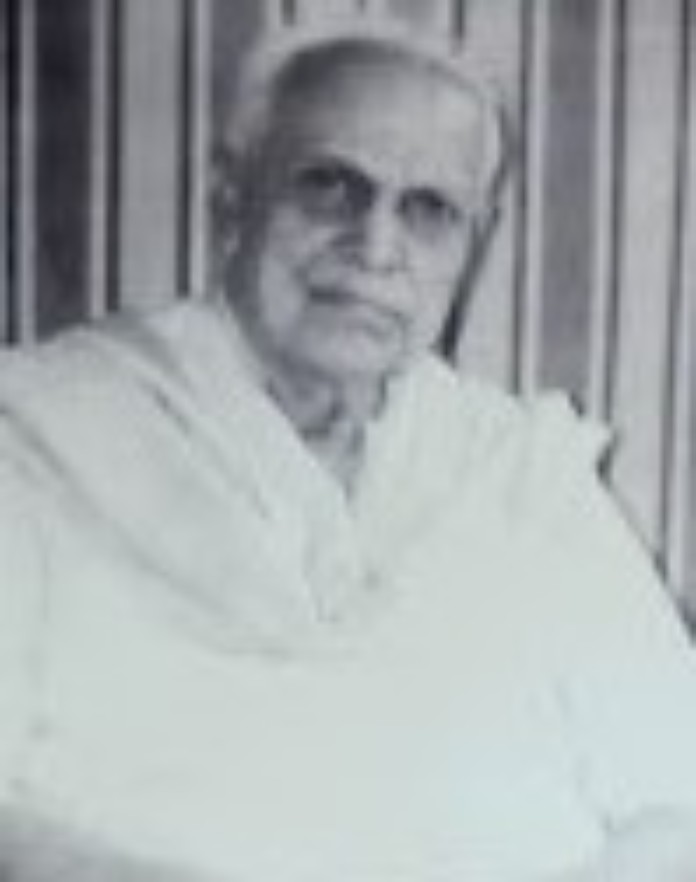
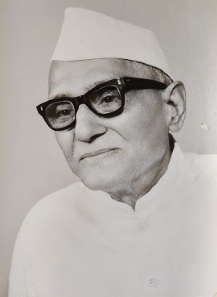
Vaidya Bapalal G Shah
Date of Birth:- 17 September 1896
Place of Birth:- Sansoli, Gujarat
Details of family:- Vaidya Bapalal was born into a family that valued both business acumen and traditional wisdom. His father, Garbaddas Shah, was a prosperous businessman, while his mother, Ichha Baa, was a homemaker with extensive knowledge of medicinal plants, fostering his early interest in Ayurveda. His wife, Jadav Bahen, played a supportive role in maintaining family traditions and values. Vaidya Bapalal’s commitment to Ayurveda has been carried forward by his sons and grandson, who have dedicated themselves to preserving and expanding his legacy. Through their work, they continue to ensure that Ayurvedic knowledge and practices flourish across generations, contributing to the field’s advancement and relevance in modern times.
Educational Qualifications:-
Bapalal’s passion for learning led him beyond the expectations of his family background. After completing his primary education in his hometown, he moved to Baroda to pursue higher studies. In high school, he distinguished himself by completing all three grade examinations of the J. J. School of Arts in Mumbai within a single year.
Initially, he enrolled in an MBBS program in Mumbai, but his studies were interrupted by ill health after the first year, prompting a shift toward Ayurveda. He studied under the guidance of Shree Amrutlal Pattani at Ayurveda Hospital in Zadeshwar, Gujarat, gaining profound insights into traditional medicine. Alongside Ayurveda, he expanded his knowledge of medicinal plants with the esteemed botanist Jaikrushna Indrajee Thakar. His education was also complemented by his studies in allopathic ophthalmology under a prominent physician in Ahmedabad, bridging his understanding of both Ayurvedic and modern medical practices.
Social Contributions:-
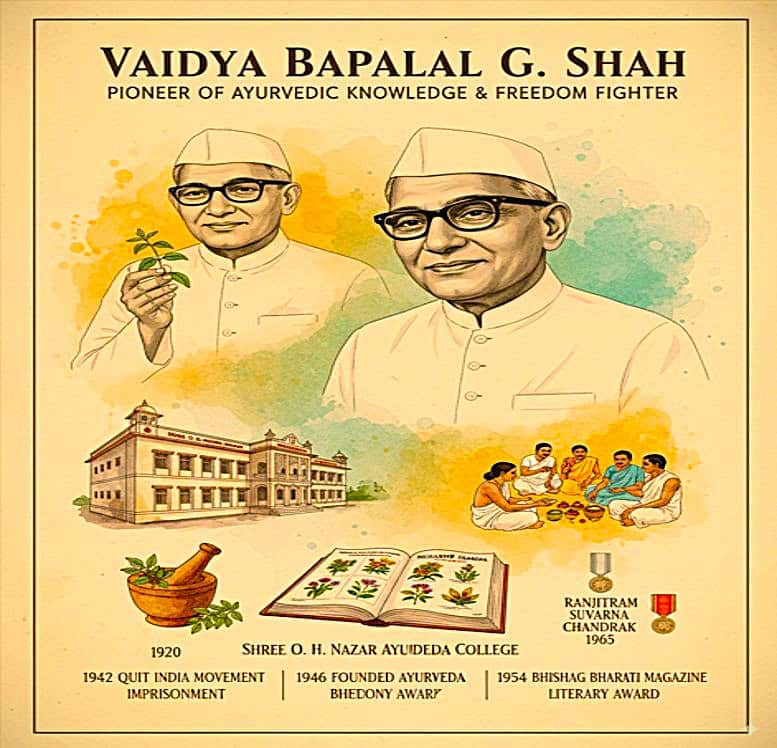
Ongoing nationalist movement influenced Bapalal. He used to arrange medical camps for freedom fighters; for his role in the Indian freedom movement, he faced imprisonment in 1930, 1932 and during “Quit India Movement 1942”. Bapalal Vaidya had a deep passion for forests and their people. He dedicated much of his effort to educating the tribal communities about medicinal plants, establishing cooperative systems for collecting and selling these plants, and promoting female empowerment.
Professional Trajectory:-
A Celebrated Ayurveda Physician:- As an ayurveda physician he firmly believed that the prime role of an Ayurveda physician is not treating disease but changing the lifestyle of the patients. Curing diseases with simple therapeutic recipes and lifestyle changes was his specialty. His students’ credits Bapalal Vaidya’s successful practice to self-prepared, high-quality medicines. Bapalal Vaidya’s practise has inspiredmany renowned Ayurveda physicians. Bapalal Vaidya always emphasized clinical experience sharing; according to him a physician must use bothclassical texts and other physicians’ experiences in treatment.
An Educator of Ayurveda:- While practising Ayurveda, Vaidya Bapalal also served as a lecturer at Ayurveda College, Patan, Gujarat. His constant efforts led to the establishment of Shree O. H. Nazar Ayurveda College, Surat, Gujarat, in July 1946. For the next 20 years he served as a principal there. In the debate over pure Ayurveda syllabus versus mixed syllabus, he always preferred a mixed syllabus, encouraging students also to learn allopathic medicine. Bapalal Vaidya emphasized gaining practical knowledge and believed in learning Dravyaguna in the fields and forests rather than classrooms
Contributions made for Dravyaguna:-
Bapalal Vaidya authored several notable books on Dravyaguna and botany, including Nighantu Adarsha (Parts 1&2), Dravyaguna Shastra, Some Controversial Drugs of Indian Medicine, Udbhija Shastra, Vriddhatrayi ni Vanaspatio, and Vanaspati Varnan Pravesh. His magnum opus, Nighantu Adarsha (1927), covers 571 drugs and includes extensive details such as vernacular names, Sanskrit synonyms, origins, collection methods, chemical components, therapeutic uses, and modern reviews. He revolutionized previous Nighantu traditions by providing botanical names, classifying plants based on their families, and offering detailed etymology. His other significant works include Some Controversial Drugs in Indian Medicine, discussing 120 controversial plant medicines in 11 chapters. The book discusses controversial status of Daruharidra, Brahmi, Punarnava, etc., and provides opinion in light of classical texts, modern botany, and clinical experiences., and Udbhija Shastra, the first botany book in Gujarati using classical Ayurveda terminologies. Vriddhatrayi ni Vanaspatio describes 3229 plants from eight classical Ayurveda texts.
A Researcher:- In Bapalal Vaidya’s words, research is not only re-searching but also searching for scattered knowledge. He stressed that Ayurveda texts should be validated in labs and clinics, aligning with core Ayurvedic principles. He stated that traditional medicine efficacy and adverse effects should be reassessed thoughtfully, considering Prakruti, Anupana, and other fundamentals. Experiments lacking these considerations were deemed futile. He further emphasized that individual research yields greater benefits than research conducted in large hospitals and it should be available in a language easily understood by a commoner.
A Litterateur:- Bapalal Vaidya wrote more than 50 books; He had waded through shlokas of Charaka and poems of William Woodsworth; with this inventiveness only, he could see medicines in Kalidasa and quote English novels while writing on Ayurveda. His book “Sanskrit Sahitya ma Vanaspati”, describes more than 200 plants mentioned in different Sanskrit literature, that earned him “Ranjitram Suvarna Chandrak” – the highest literary award in Gujarati literature in 1965.
Bapalal Vaidya started publishing “Bhishag Bharati” magazine for Ayurveda Students, Physicians, and Common people interested in Ayurveda in 1954. This magazine covered news about Ayurveda and Public Health, the latest Research Articles on Ayurveda and conventional Medicine, Clinical case discussions, and opinion articles.
Awards and Honors:-
On 24/11/1979 Gujarat Ayurved University honoured Bapalal Vaidya with a Doctorate of Literature (D.Lit) degree for his contributions to Ayurveda. In 1965, he was awarded “Ranjitram Suvarna Chandrak” – the highest literary award in Gujarati literature, for his book Sanskrit Sahitya ma Vanaspati (Medicinal Plants in Sanskrit Literature). In 1967, Nighantu Adarsha received first prize from the Government of Gujarat as the best book on physical science for the geriatric population. Bapalal Vaidya Botanical Research Centre (BVBRC) was established in 1994 by the Biosciences department, Veer Narmad South Gujarat University (VNSGU), Surat, to conduct research on medicinal plants. The university presents Vaidyaraj Bapalal Vaidya Medal to botany students of the Bio-science Department, VNSGU.
Some important committees and departments served by Bapalal Vaidya
| Board/Committee/Congress/ Faculty | Post |
|---|---|
| Standard Drugs and Herbs Committee, Mumbai state | Chairman |
| State Faculty of Ayurved, Gujarat | Chairman |
| Ayurvedic Board of Research, Gujarat | Chairman |
| Ayurved faculty, Gujarat University | Dean |
| Ayurved section pharmaceutical congress, Pilani | President |
| Pharmacopeia Committee, New Delhi | Member |
| Ayurvedic Board of Research, Mumbai state | Member |
| Faculty of Ayurved, Mumbai state | Member |
| Ad hoc committee for Ayurveda syllabus, Pune | Member |
Full Paper Link