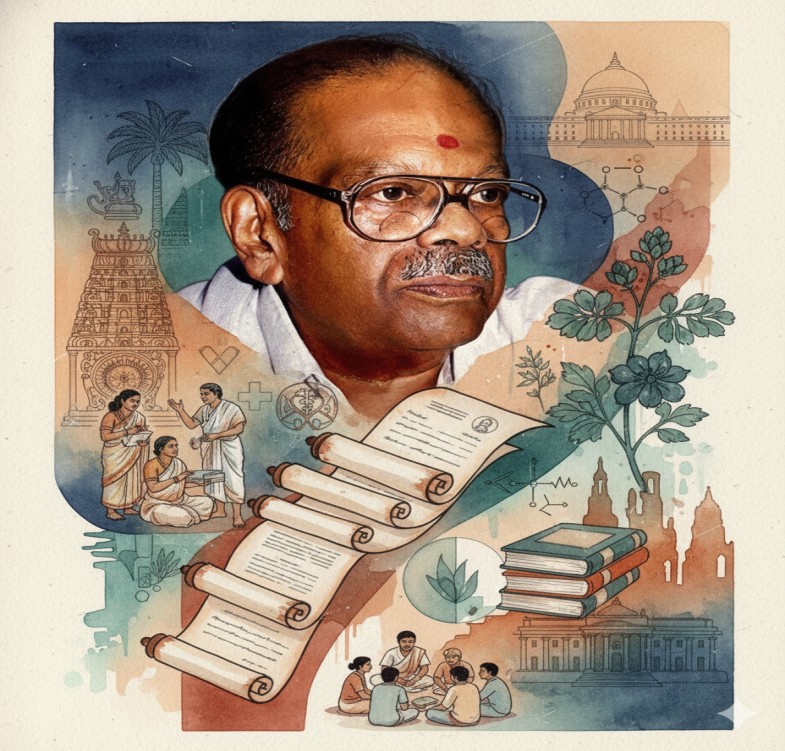
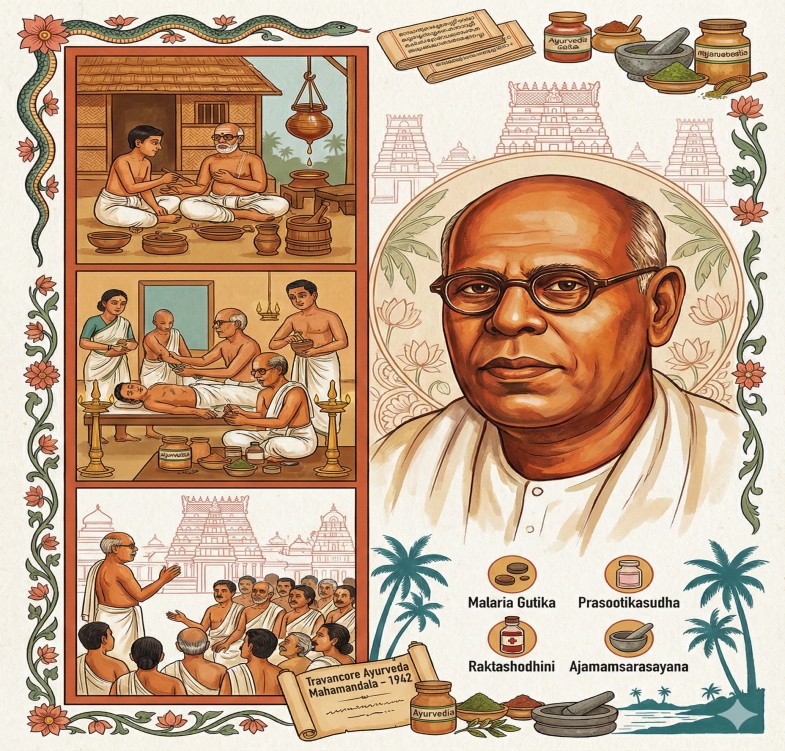

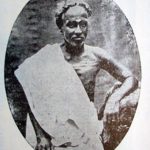
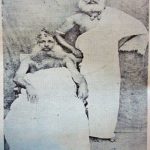
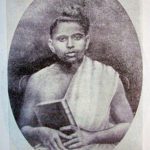
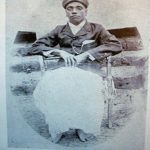
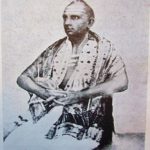
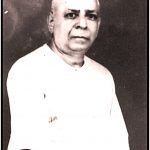
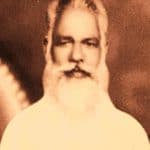
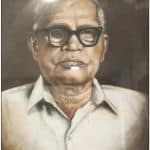
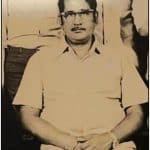
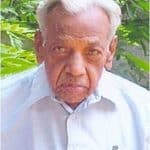
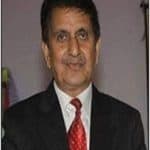
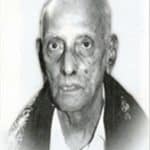
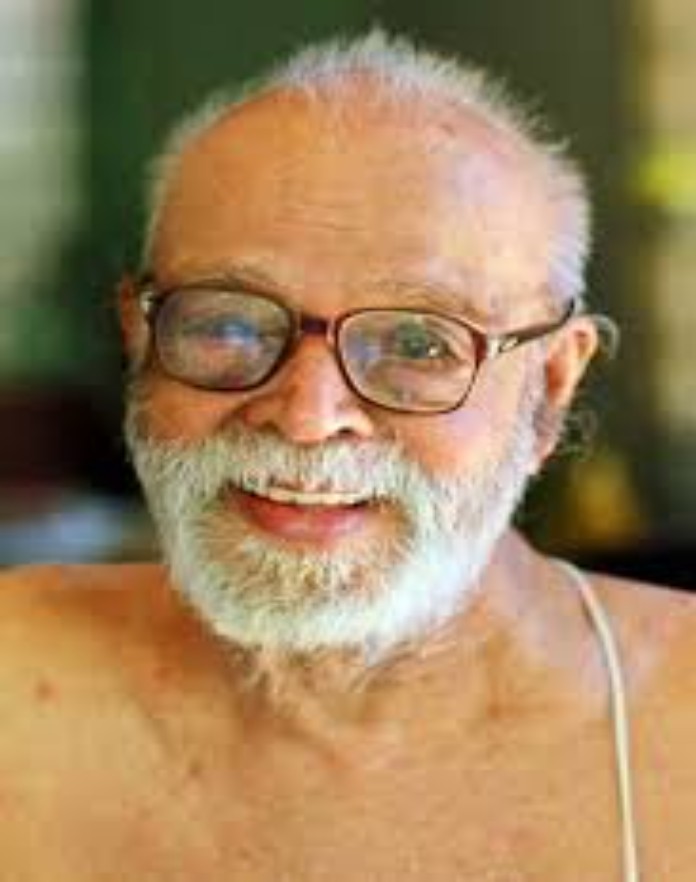
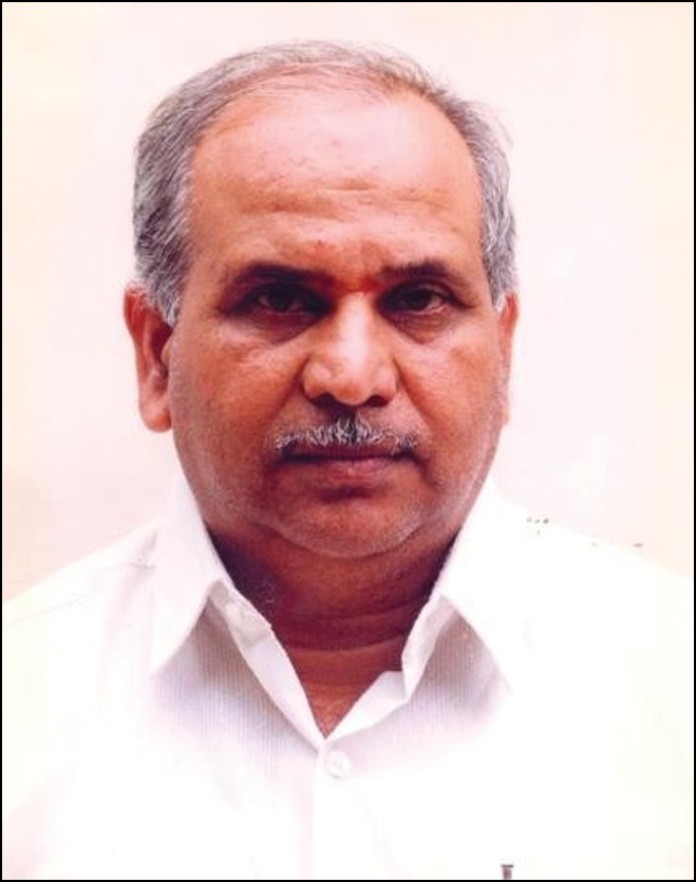
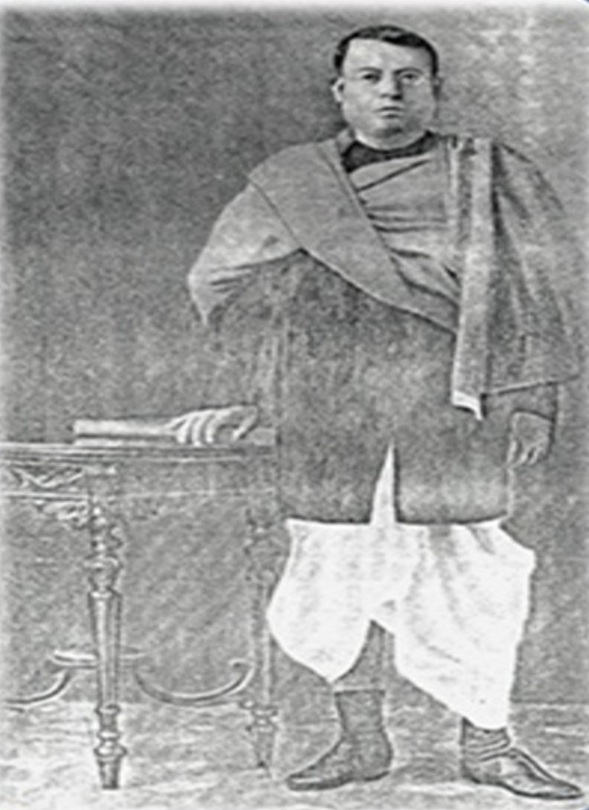
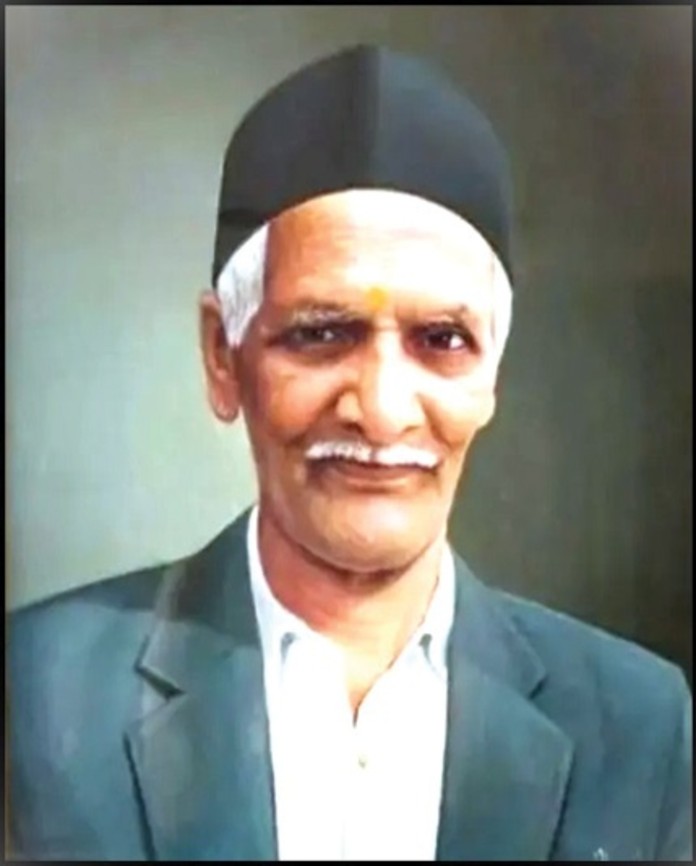
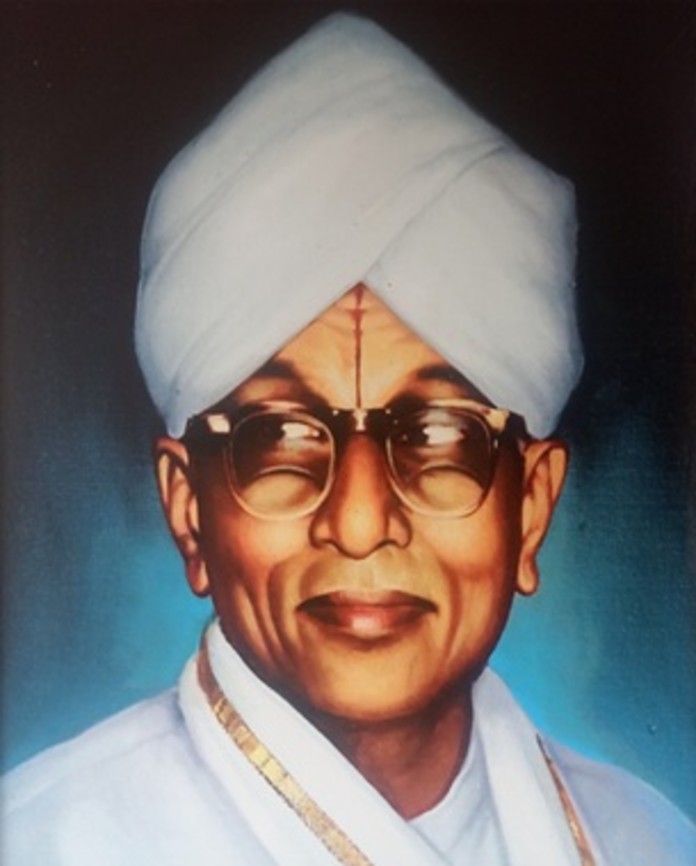
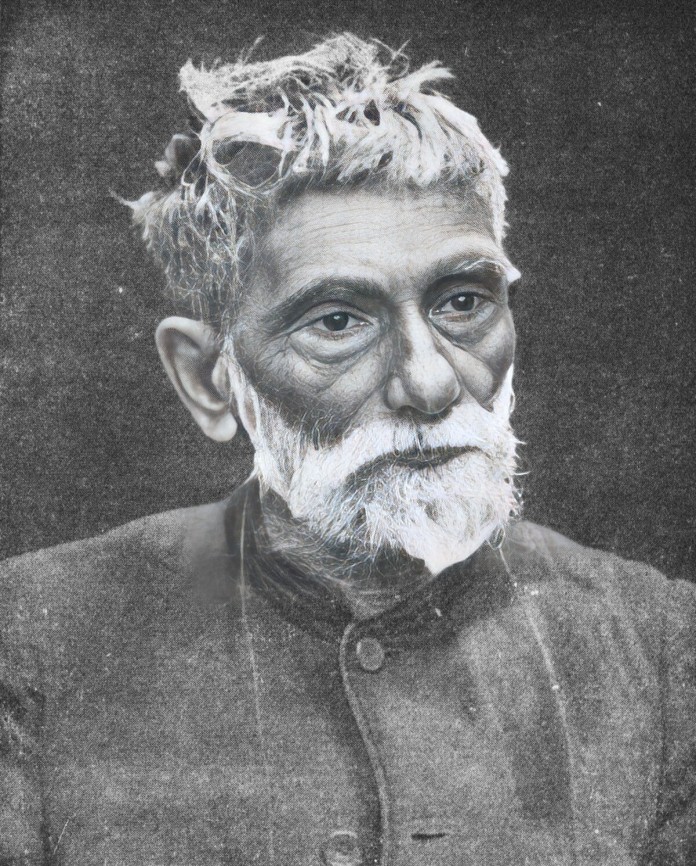
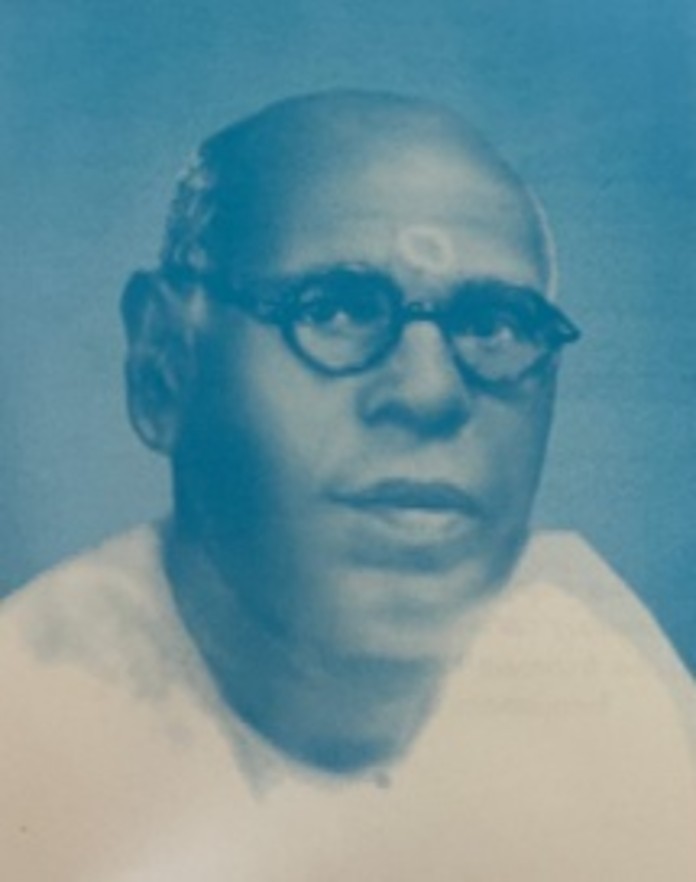
Manakkodam Keshavan Vaidyam
Date of Birth:- 1882
Place of Birth:- Manakkodam, Cherthala, Kerala.
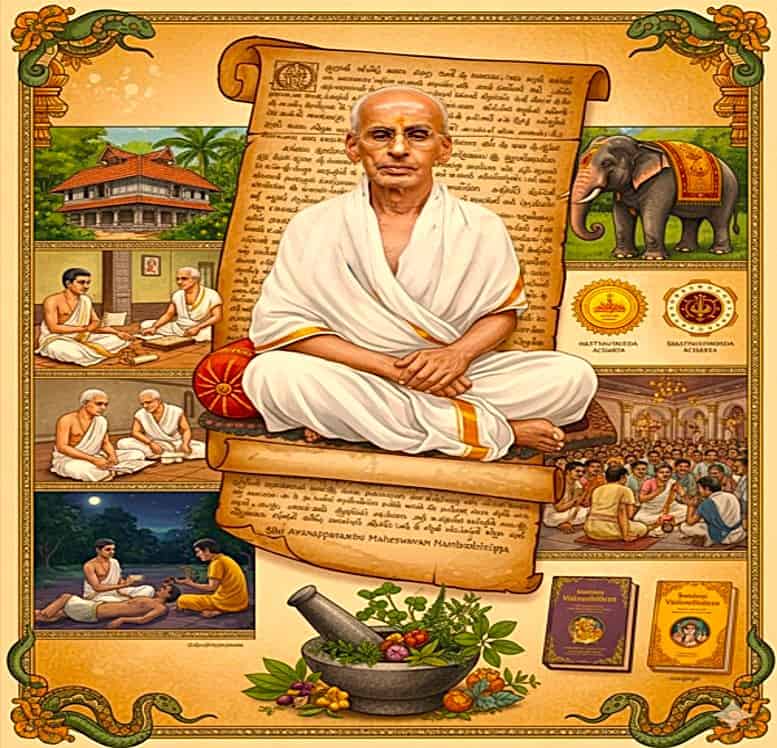
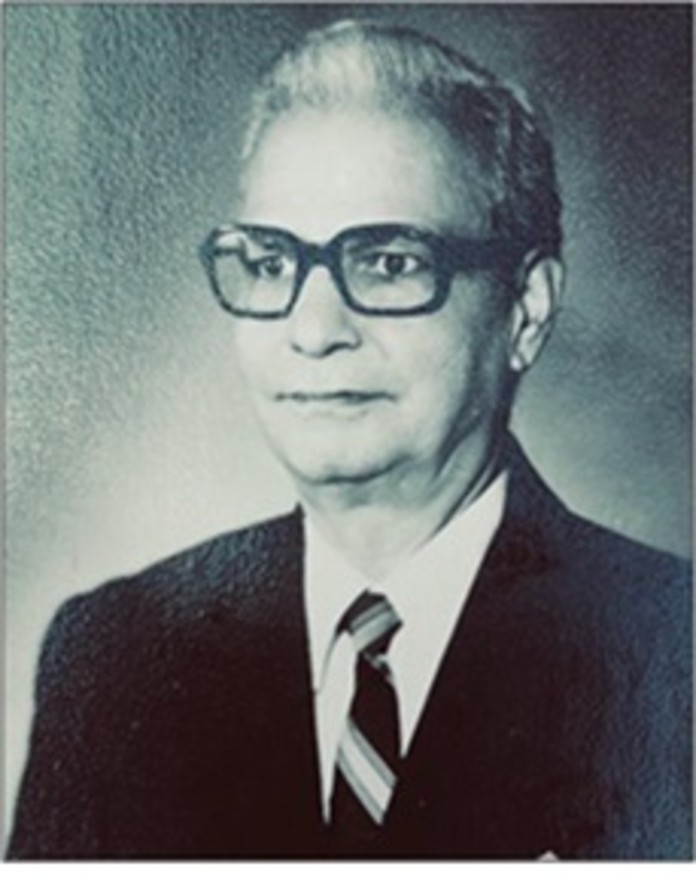
Details of family:- Keshavan Vaidyan was born in Manakkodam, Cherthala, Kerala, as the son of Shri Uzhuthummel Kittan, a social activist and multi-disciplinary expert. Kittan was dedicated to education reform for the Ezhava community, establishing primary education centers. Keshavan Vaidyan followed in his father’s footsteps, contributing to the upliftment of the Ezhava community. He was married to Srimathy Parvathy Amma, and they had six children. His second son, Balagangadhara Tilak, was trained in both Ayurveda and Allopathic medicine, practicing Integrative medicine in Chennai with expertise in Astanga Hridaya. His third son, Ravindranath Tagore (Ravindran Vaidyan), continued the family legacy by working as an assistant physician to his father and later founding the Keshavan Vaidya Memorial Vaidya Shala in Cherthala as a tribute. Currently, the clinic and pharmacy are managed by Dr. Jeeja Prasannan, Ravindran Vaidyan’s daughter-in-law, who is the last in the family with an Ayurveda background, continuing the legacy of Manakkodam Keshavan Vaidyan..
Educational Qualifications:-
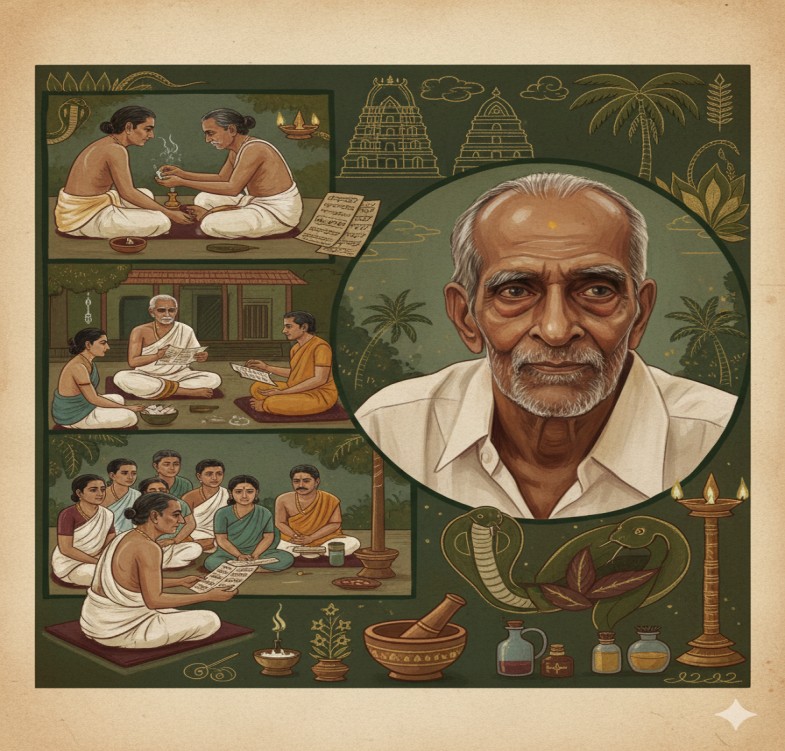
Keshavan Vaidyan formally learned Ayurveda from Pockanchery Chandu Vaidya in Calicut, Kerala. Over the course of seven years, he acquired both theoretical and practical knowledge in Ayurveda. His guru was renowned for his expertise in Panchakarma, and Keshavan Vaidyan felt fortunate to receive personal training under him. He often credited his guru for instilling the belief and courage in him to perform Panchakarma treatments.
Professional Trajectory:-
Keshavan Vaidyan was a distinguished Ayurvedic practitioner renowned for his expertise in Panchakarma, a set of five detoxification therapies integral to Ayurveda. He authored the seminal work “Panchakarmam Athava Sodhana Chikitsa,” which remains a significant resource in the field. Keshavan Vaidyan was a strong advocate for Ayurveda during a period when traditional medicine was under threat from the rise of Western medical practices. Keshavan Vaidyan was also deeply committed to improving Ayurvedic education in Kerala, advocating for better infrastructure in colleges. Recognizing his contributions, the Government of Kerala appointed him to the Ayurvedacharya Examination Board in 1950. In 1952, he became an honorary lecturer at the Government Ayurveda College in Thiruvananthapuram, where he imparted theoretical knowledge and demonstrated practical Panchakarma procedures like Basti to students. His contributions extended beyond medicine; he was deeply involved in social reform, inspired by the teachings of Sri Narayana Guru. Keshavan Vaidyan’s professional legacy continues through the Keshavan Vaidya Memorial Vaidya Shala in Cherthala, managed by his descendants, ensuring the enduring impact of his life’s work on future generations.
Acheivements:- Keshavan Vaidyan achieved significant milestones in Ayurvedic medicine and Panchakarma, distinguishing himself as a leading practitioner. His authoritative text, “Panchakarmam Athava Sodhana Chikitsa,” remains pivotal for Ayurvedic professionals. His innovative approaches and profound grasp of traditional treatment methods enabled him to effectively treat various conditions. Recognizing the importance of unity among practitioners, he organized the Vaidya Mahasammelan, facilitating knowledge exchange. In 1942, he founded the ‘Travancore Ayurveda Mahamandala’ in Cherthala, Kerala, serving as its inaugural president. This organization aimed to unify Ayurvedic physicians for collective progress, expanding into the ThiruCochi Ayurveda Maha Mandala after provincial unification. By 1952, it evolved into the ‘Keraleeya Vaidya Mahamandalam,’ integrating diverse Vaidya associations. In addition to his leadership and organizational contributions, Keshavan Vaidyan developed significant medicinal formulations. His ‘Malaria gutika’ was renowned for its efficacy in treating malaria, attracting patients from distant places. ‘Prasootikasudha’ was esteemed for postpartum care, while ‘Raktashodhini’ addressed childhood anemia and constipation. His pharmacy also produced ‘Ajamamsarasayana’, popular linctus made from goat meat. These formulations continue to be prepared and dispensed by his family at their clinic.