

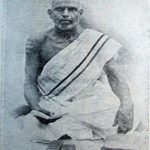
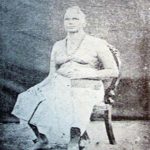
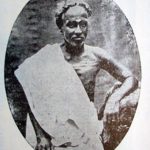
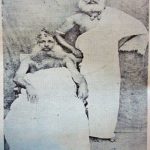
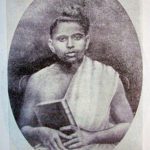
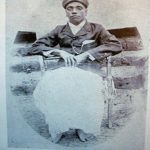
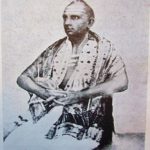
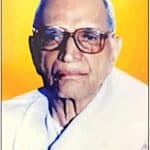
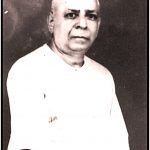
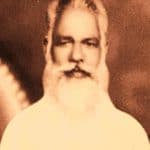
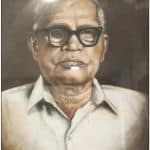
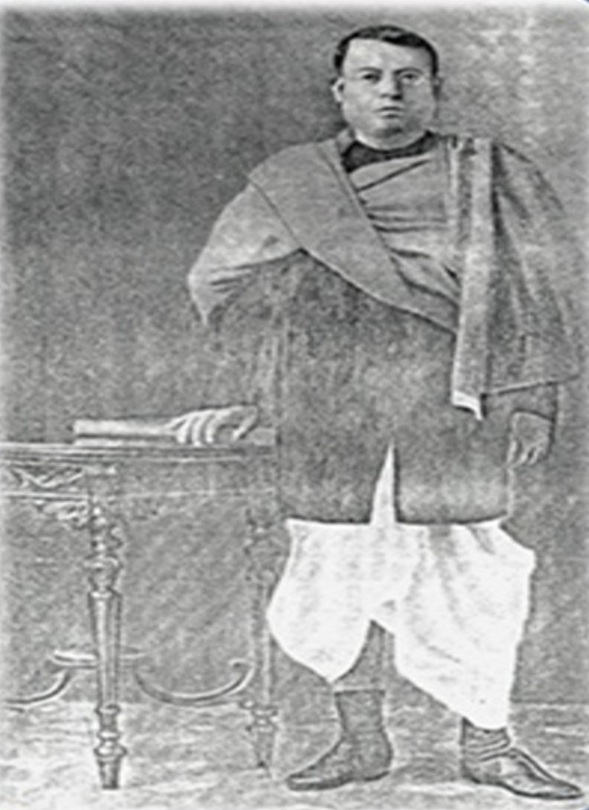
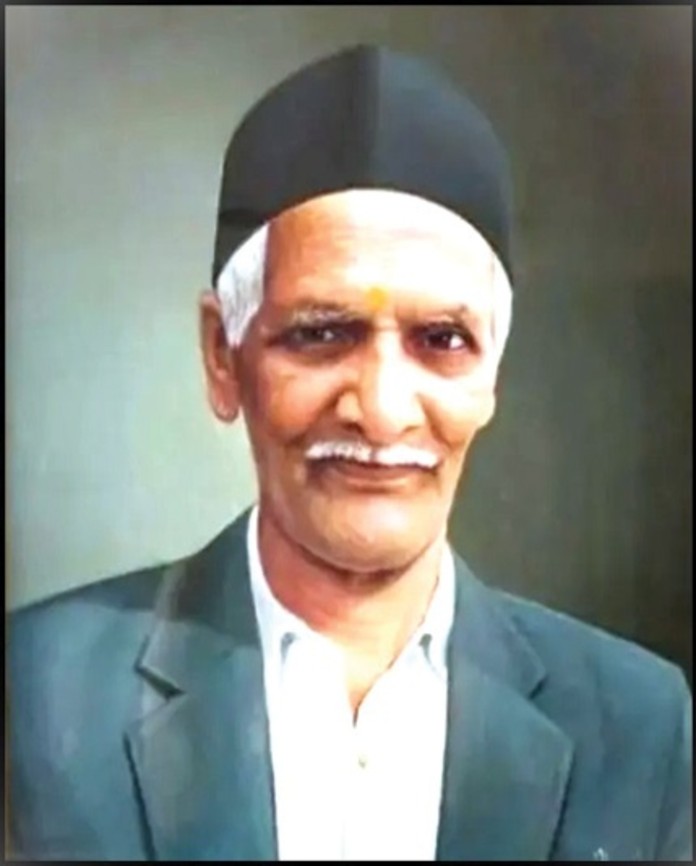
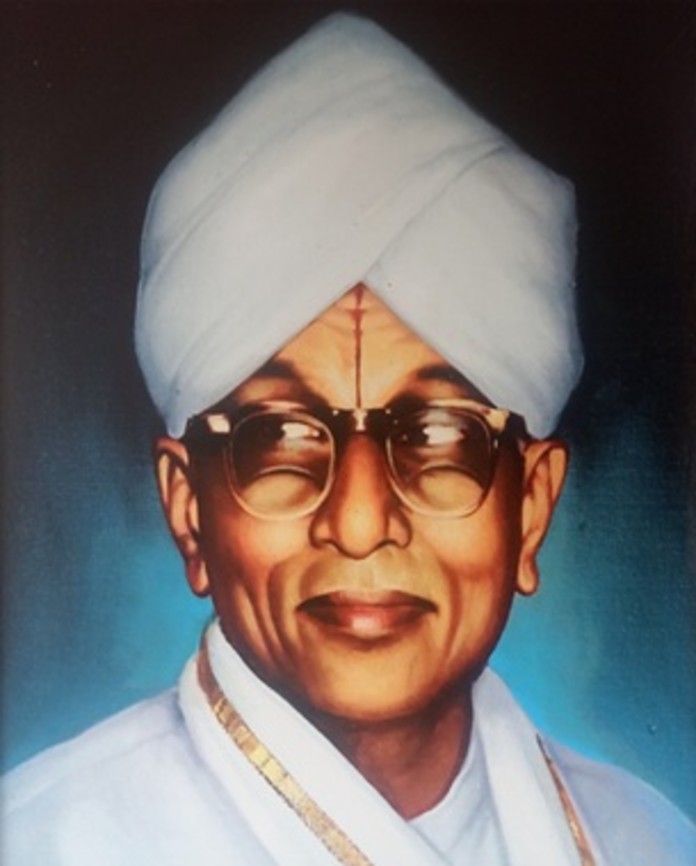
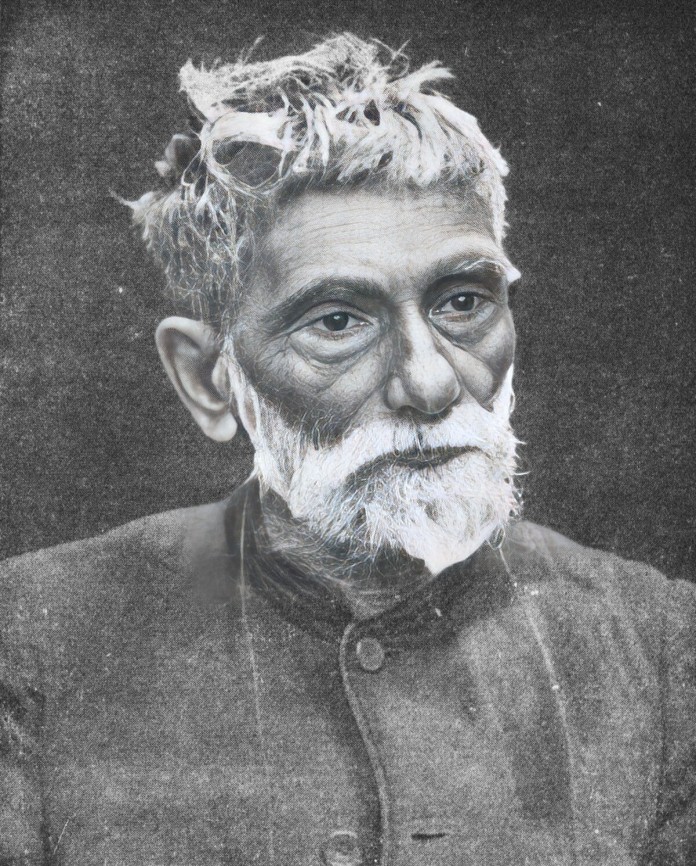
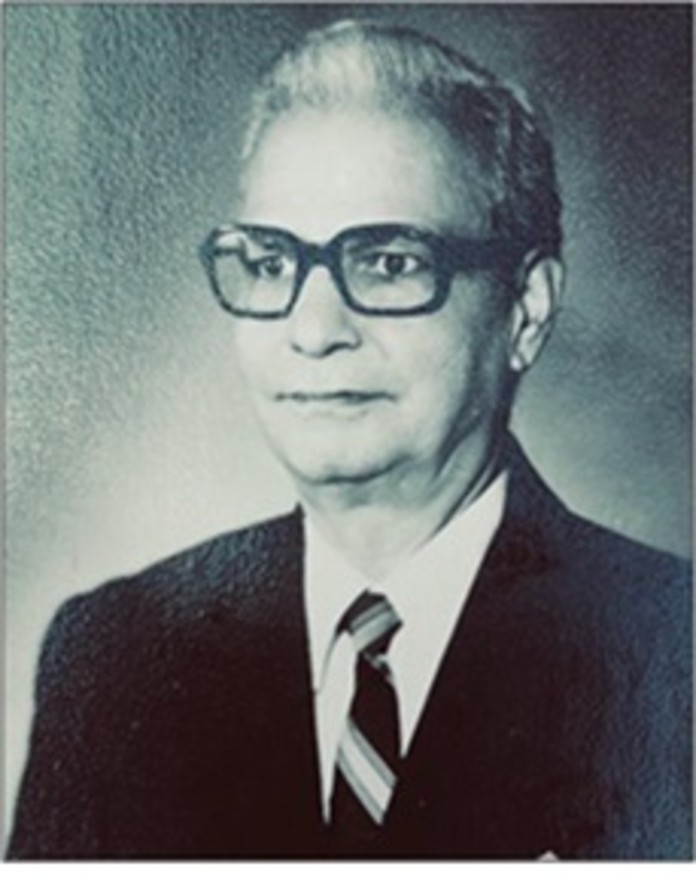
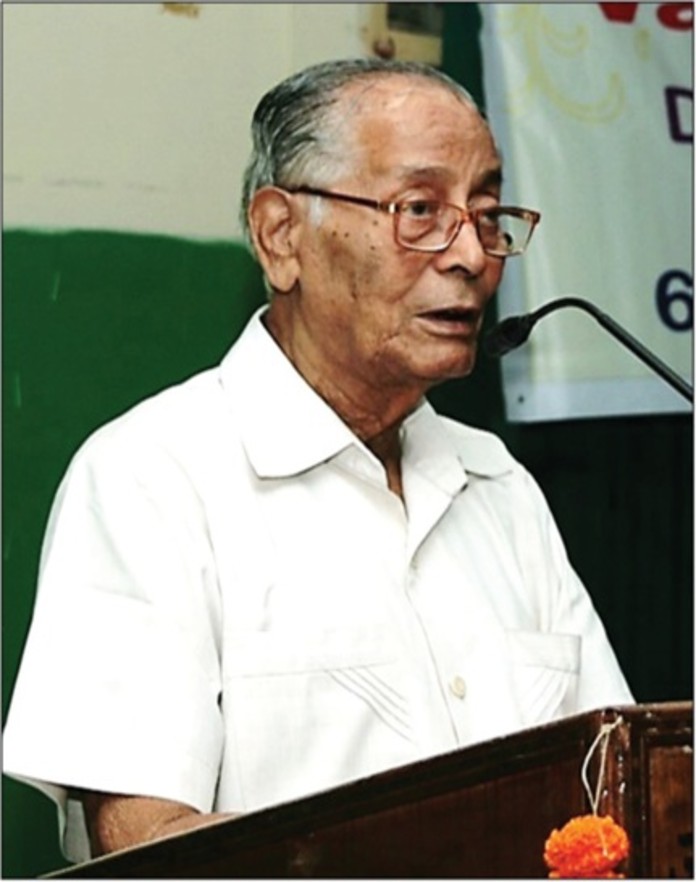
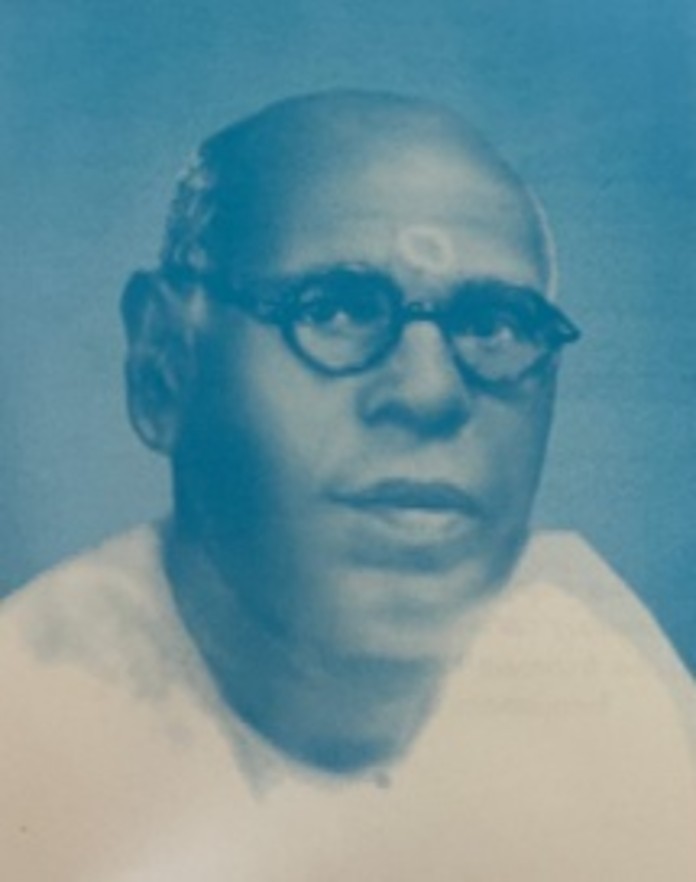
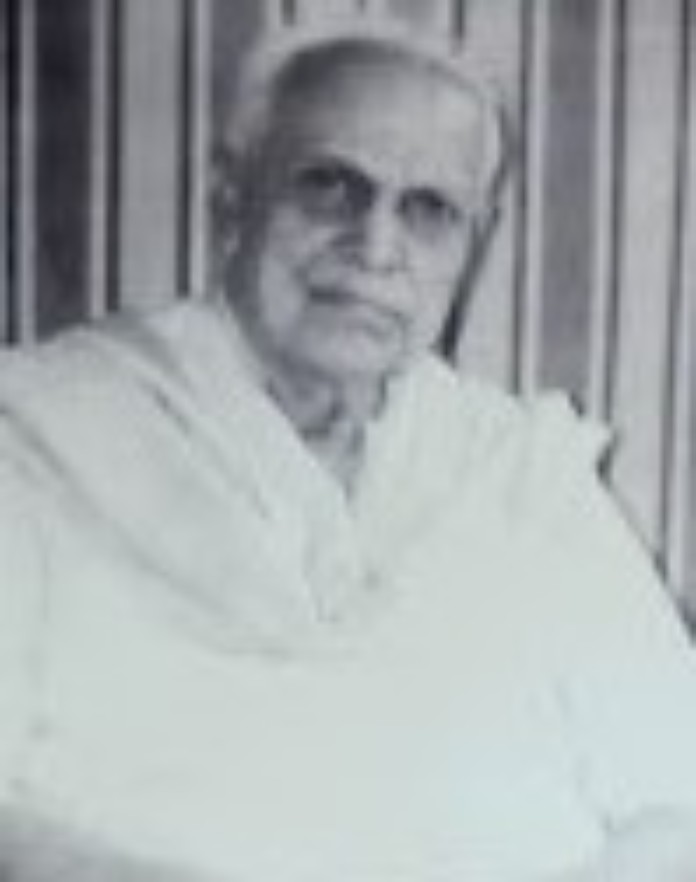
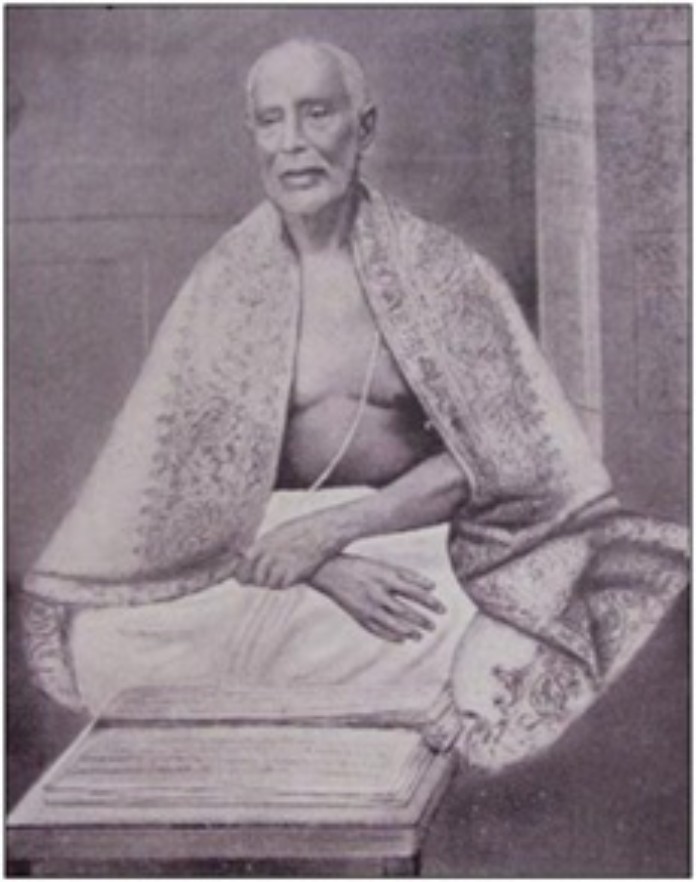
Kaviraj Gangadhar Roy
Date of Birth:- 1798
Place of Birth:- Jessore village in Yasohara/ Madra district, which is presently a part of Bangladesh.
Details of family:- Kaviraj Gangadhar Roy was born in Jessore village in Yasohara/ Madra district, which is presently a part of Bangladesh in 1798. He is considered one of the shining figures of Ayurveda (1798 to 1885).He was the son of Bhavani Prasad Roy and Abhaya Devi and he learned Ayurveda from his grandfather.
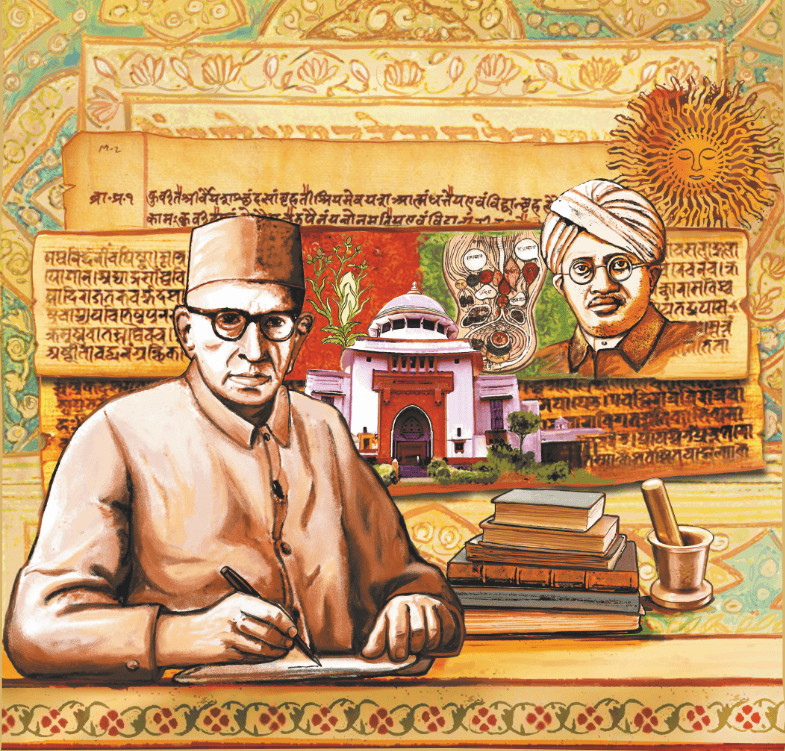
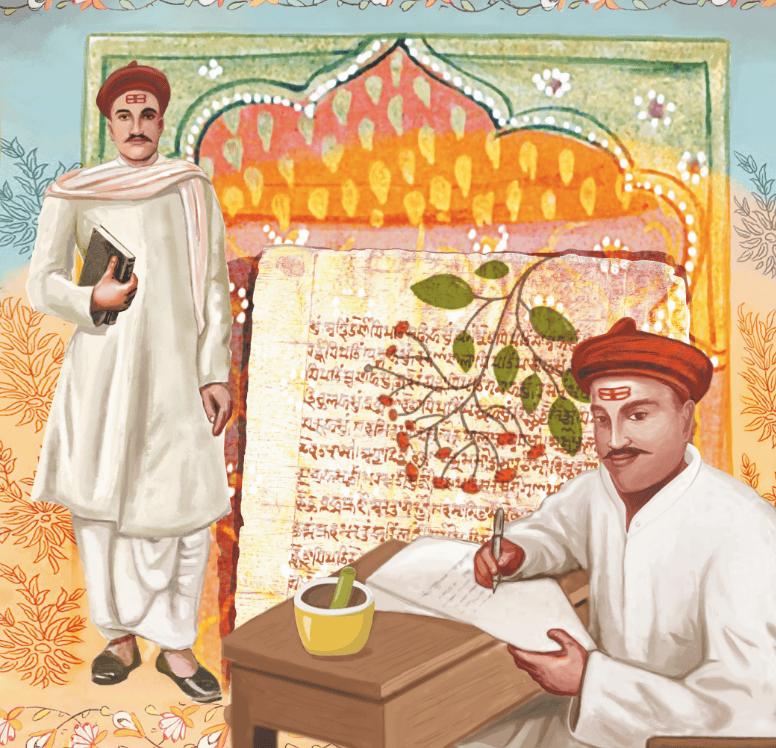
Renewing Ayurveda-Scholarly Impact:-Kaviraj Gangadhar Roy’s Charak Samhita and Madhusudan Gupta’s edition of the Susruta Samhita marked the beginning of a concerted effort by Indian physicians, scholars, and publishers to edit, translate, comment on, and print traditional Ayurvedic texts. The title “Kabiraj” historically denoted practitioners of Ayurveda in Eastern India. Those serving royal courts as Ayurvedic physicians were given this title, meaning “King Kabi.”(“King Kabi”, compare to Rāj Vaidya used elsewhere) Descendants of these practitioners adopted “Kabiraj” as a surname. This movement helped in the revival of the CharakSamhita and strengthened awareness among Indian Vaidyas(physicians) and scholars of their cultural heritage. The impact of Kaviraj Gangadhar Roy’s work was so significant that the nineteenth century is known as the “Gangadhar Era” in the history of Ayurveda.
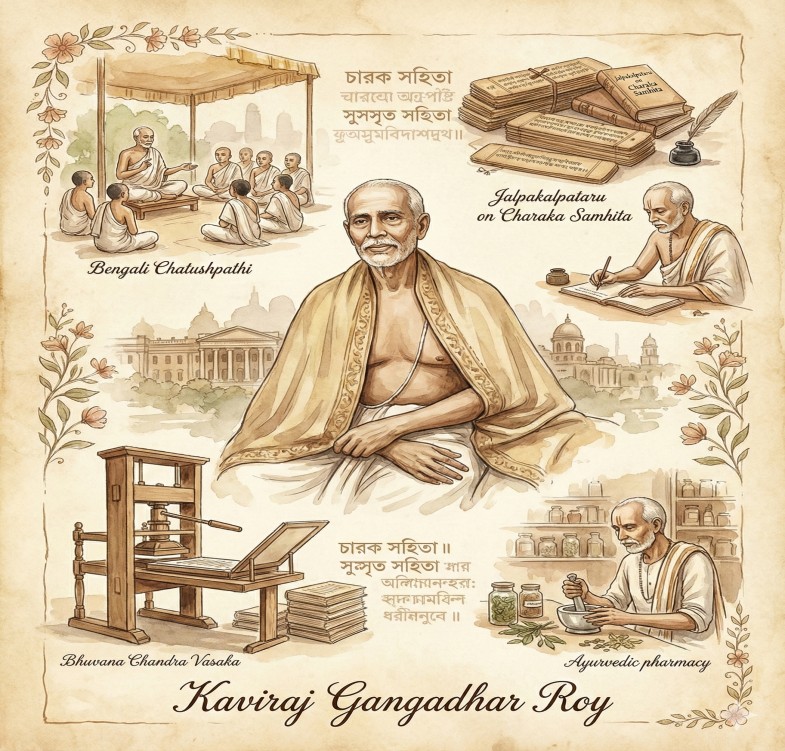
Jalpakalpa Taru: Kaviraj Gangadhar Roy’s innovative commentary on Charak Samhita:- Kaviraj Gangadhar Roy moved to Murshidabad, where he started his practice and began teaching Ayurveda. His efforts played a significant role in turning Murshidabad into a well-known center for Ayurvedic education. He founded the Gangadhar Niketan Chatushpathi, an institution focused on training future Vaidyas, or Ayurvedic physicians He was awarded the title of Baidyaratna by the government of the time in recognition of his scholarship. Under Kaviraj Gangadhar Roy’s leadership, the institution quickly earned a reputation for producing some of the finest Ayurvedic physicians in the region. He prioritized practical training and hands-on learning and also created a rigorous and comprehensive curriculum that provided students with the skills and knowledge needed to excel in Ayurveda. As a result, the institution became a highly desired destination for aspiring Vaidyas. Under Kaviraj Gangadhar Roy’s leadership, the institution quickly earned a reputation for producing some of the finest Ayurvedic physicians in the region.
The print revolution in Ayurveda:- Acharya Gangadhar Ray played a key role in transforming Ayurveda in nineteenth-century Bengal, especially by adapting it to print in collaboration with printer-publisher Bhuvana Chandra Vasaka. This partnership marked a “print moment” for Ayurveda, with Acharya Gangadhar’s edition of the ‘Charaka Saṃhita’ and his commentary ‘Jalpakalpataru’ shifting the transmission of Ayurvedic knowledge from manuscripts to mass-produced print, ensuring wider accessibility. Projit Mukharji notes that the Baidya-Bourgeoisie, an influential group linked to Ayurveda, bridged traditional knowledge and colonial Western medicine. Acharya Gangadhar’s son, Dharanidhar Ray, continued this legacy, releasing a Bengali-script edition in 1878-1880 at Saidabad’s Pramada Bhanjana Press, with the ‘Bengal Library’ recording it on June 30, 1879. Acharya Gangadhar’s grandson, Tryambakeshvar Ray, published a revised edition in 1908. Other Ayurvedic scholars, Narendranath Sengupta and Balaichandra Sengupta, released new editions at the Dhanvantri Steam Machine Press (later Dhanvantari Electric Machine Press) in 1928 and 1933.Acharya Gangadhar’s decision to leave Calcutta for Saidabad following Madhusudan Gupta’s 1836 dissection symbolized his resistance to colonial impositions on Ayurveda. Manuscript No. 108824 in the Sarasvati Bhavan Library, along with MS. 150 dated to 1840-41, shows his meticulous approach to Ayurvedic scholarship and dedication to preserving Ayurveda. The efforts of Vasaka’s Samvada Jnanaratnakara Press and the Pramada Bhanjana Press brought Ayurveda into dialogue with modernity, preserving its prominence during colonial rule.
Kaviraj Gangadhar Roy’s extensive contributions to Ayurveda and beyond:- In addition to his commentary on Charak Samhita, he was also a prolific author on various subjects related to Ayurveda like Paribhasha, Bhaishajya Ramayana, Agneyayurveda Vyakhya, Nadipariksha etc. Kaviraj Gangadhar Roy’s contributions to Ayurveda through his books have helped to expand the knowledge, making it more accessible for accommodation, practitioners, and patients. He also composed the Pathyapathya, Bhaskarodaya on pathology, and Vaidhyatattvaviniscaya. He was an eminent personality, authoring around 76 books on various aspects of Sanskrit literature, such as Sahitya, Vyakaran, and Darshan. However, his most significant contribution was to the revival and promotion of traditional Ayurvedic learning, which had been discontinued during the Mughal regime.He was an eminent personality, authoring around 76 books on various aspects of Sanskrit literature, such as Sahitya, Vyakaran, and Darshan. However, his most significant contribution was to the revival and promotion of traditional Ayurvedic learning, which had been discontinued during the Mughal regime.
| Books on Ayurveda: | Books on other category: |
| ‘Paribhasha‘ | |
| ‘Bhaishajya Ramayana‘ | Tattvavidyakara |
| ‘AgneyayurvedaVyakhya‘ | Mugdhabodhamahavrtti |
| ‘Nadipariksha‘ | Taittiriyopanisadvrtti |
| ‘RajavallabhiyaDravyagunavivriti‘ | Kavyaprabha |
| ‘Bhaskarodaya’ | Lokalokapurusiya |
| ‘Mrityunjaya Samhita‘ | Rajvijay |
| ‘ArogyaStotram’ | Taravatisvayangva |
| ‘PrayogaChandrodaya‘ | Pramadbhavjani |
| ‘Ayurveda Sangraha‘ |
Full Paper Link