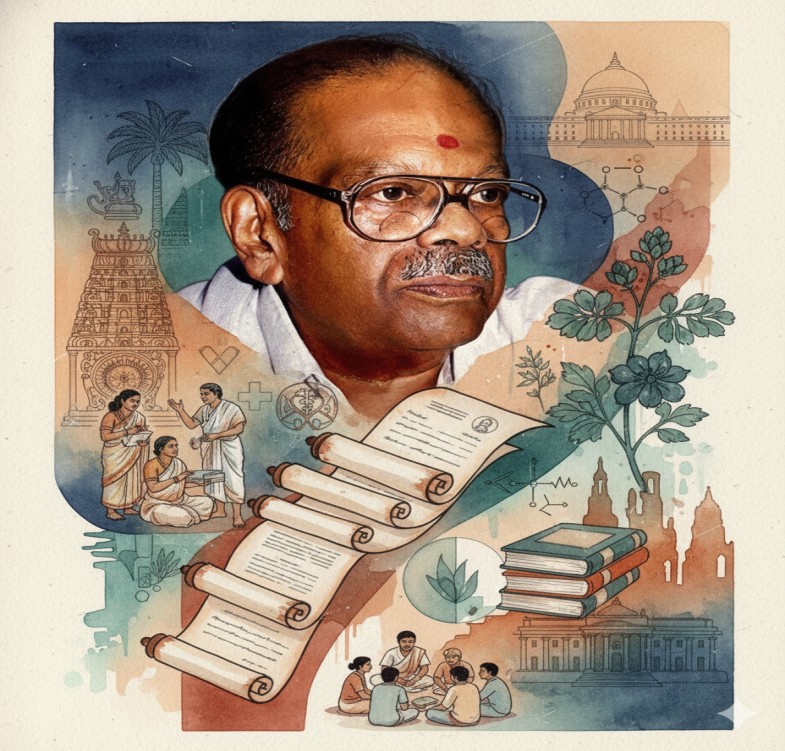
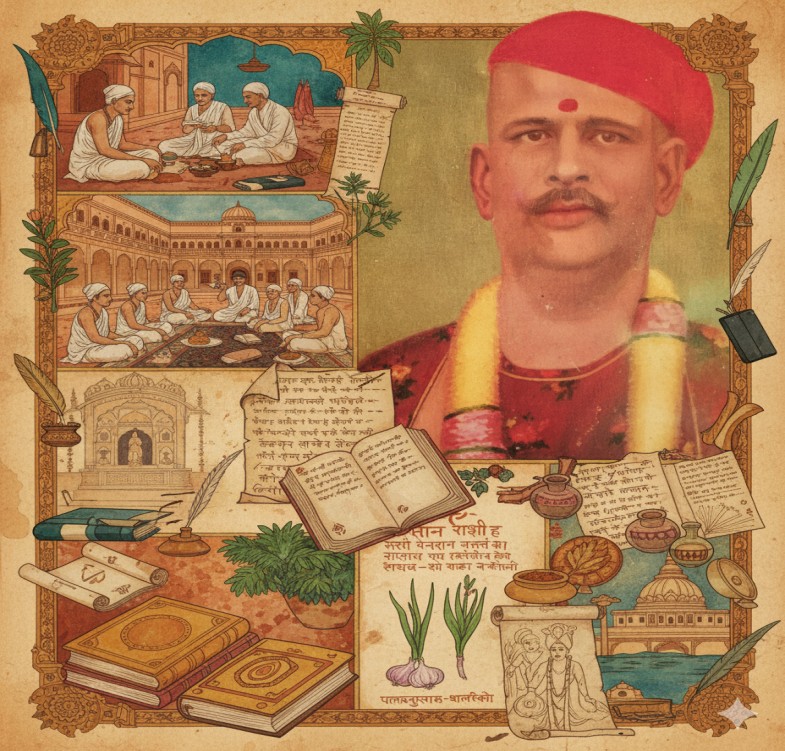
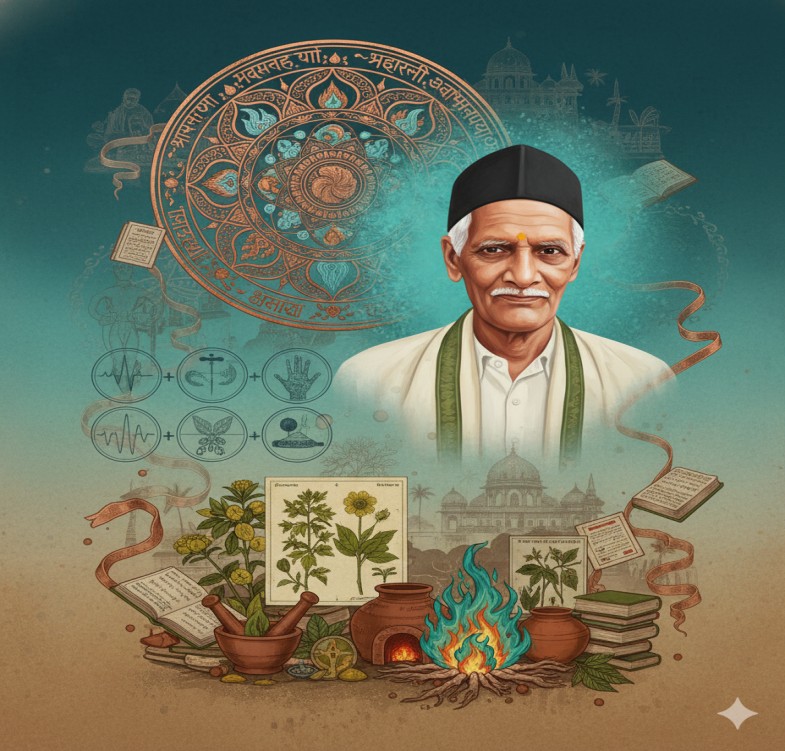

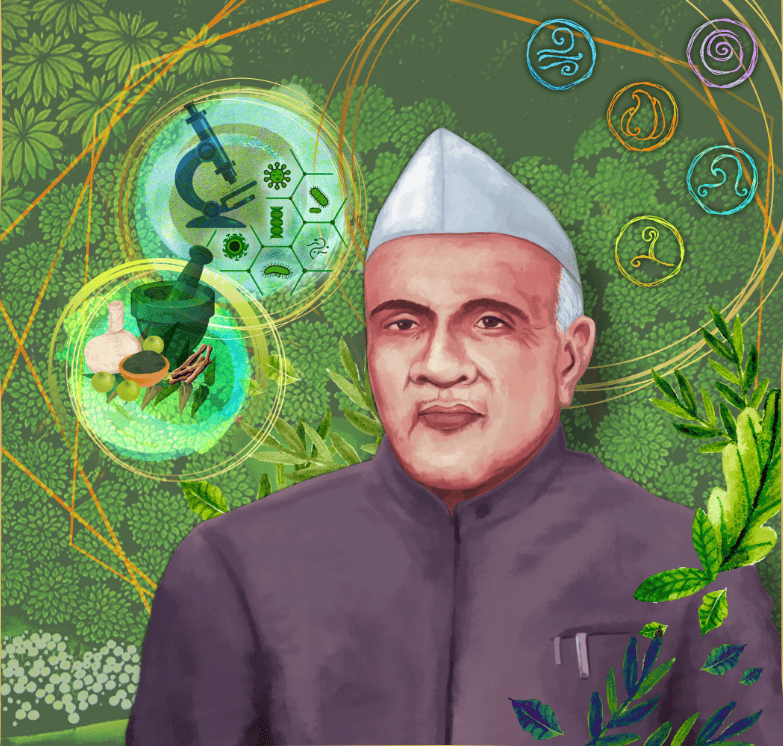
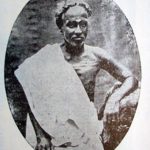
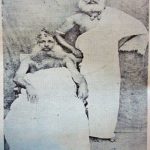
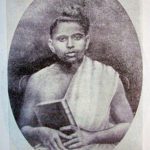
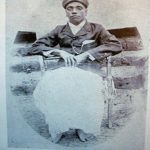
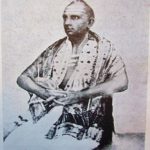
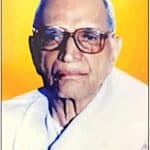
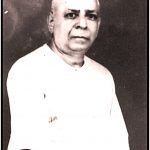
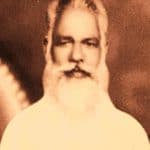
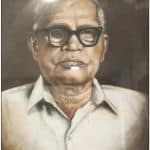
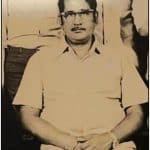
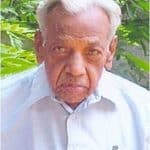
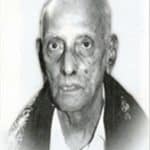
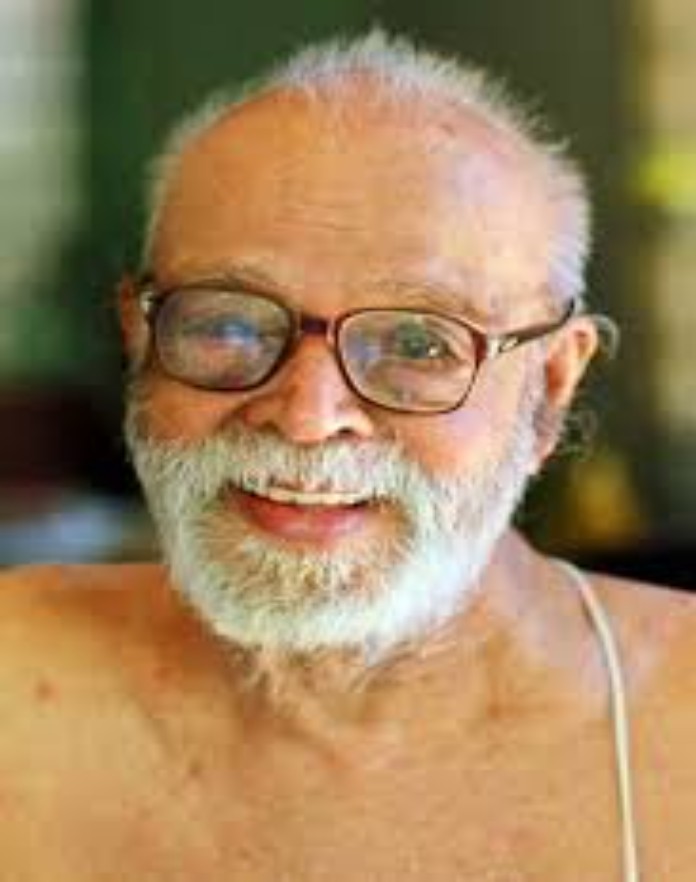
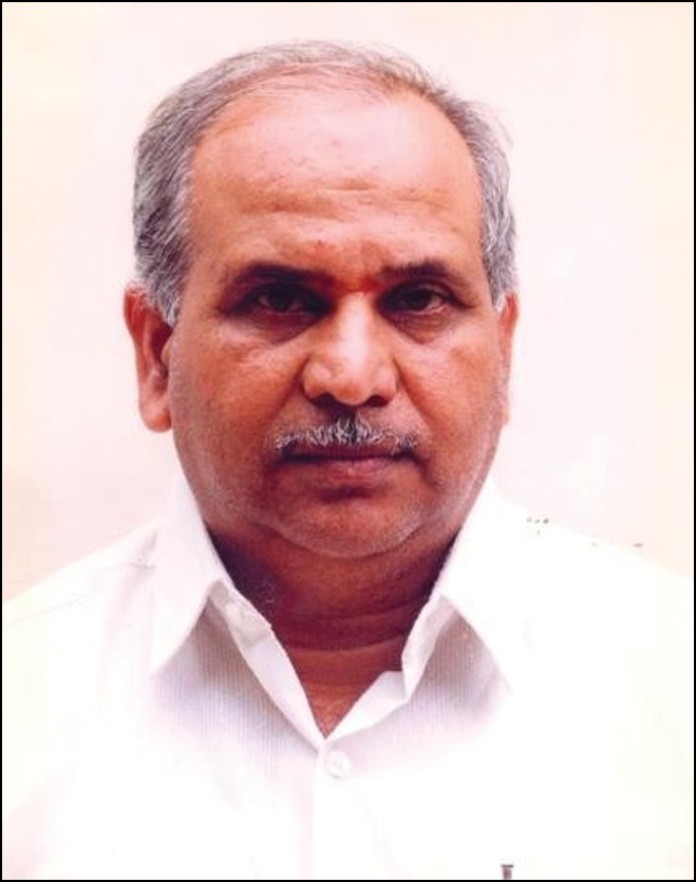
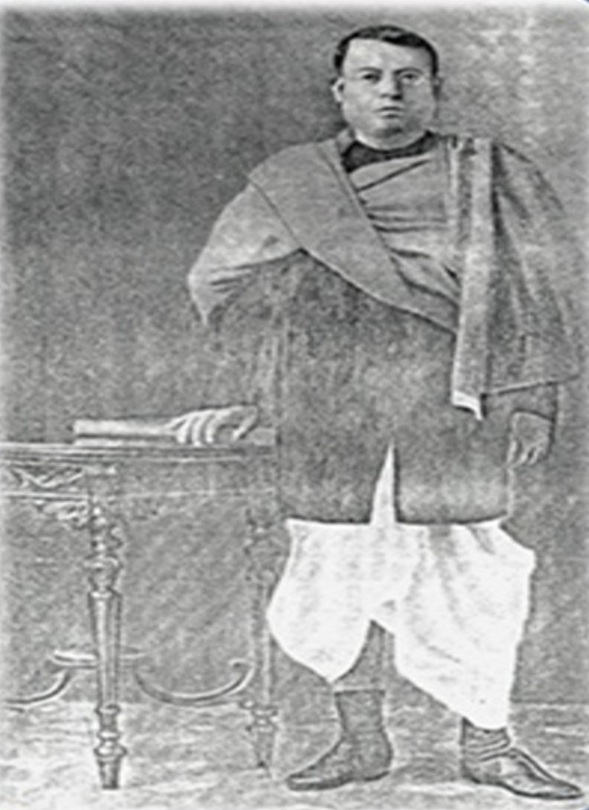
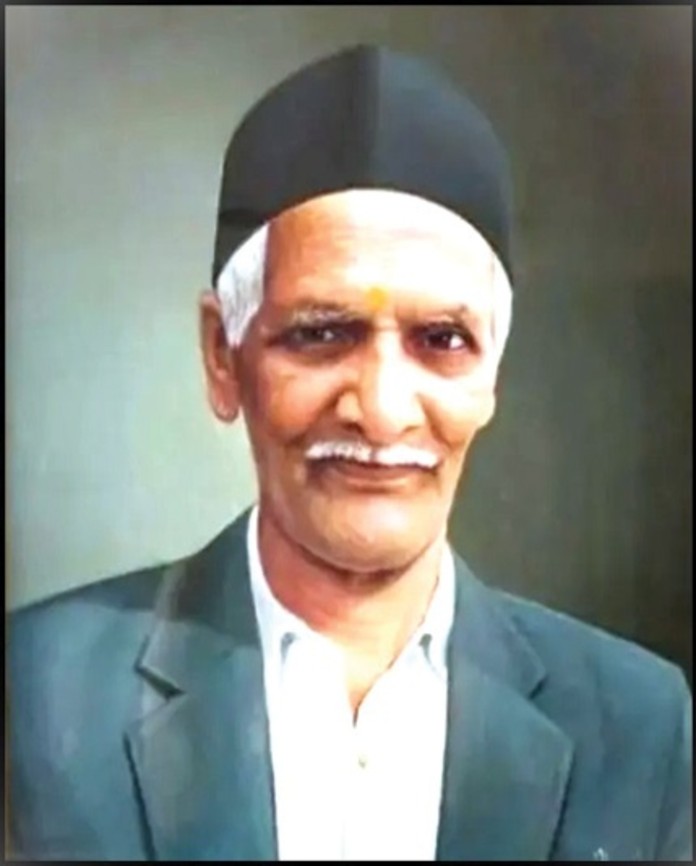
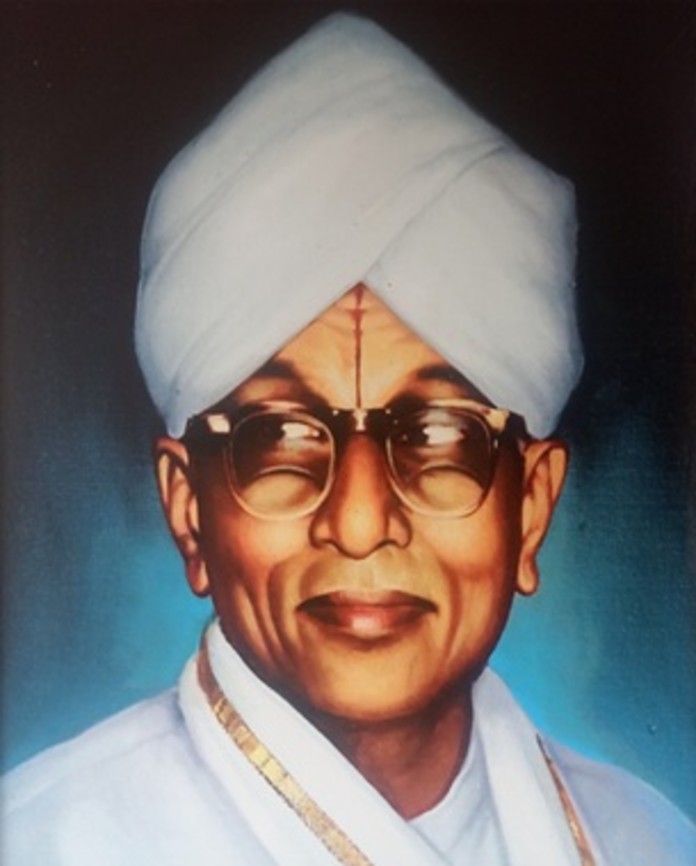
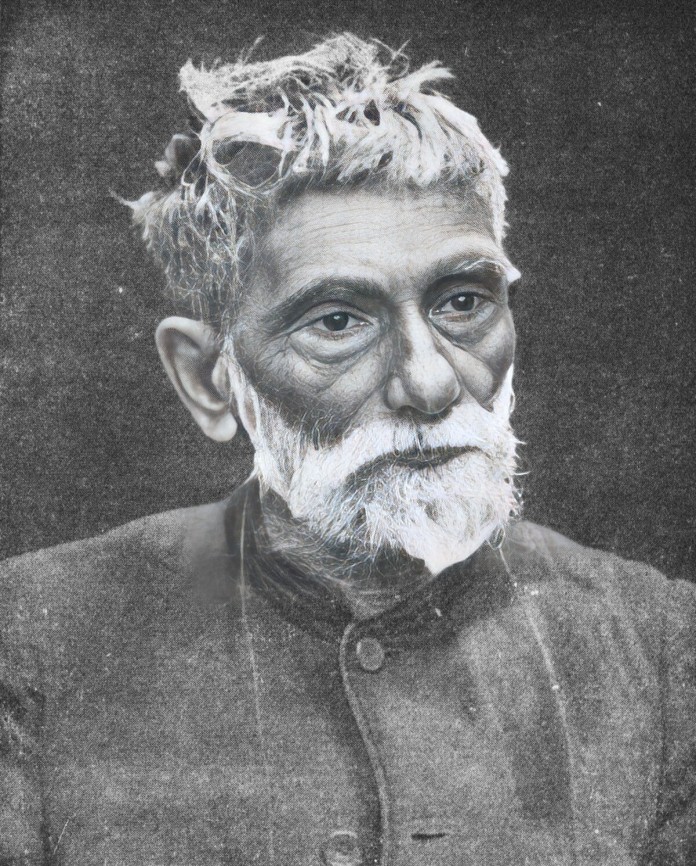
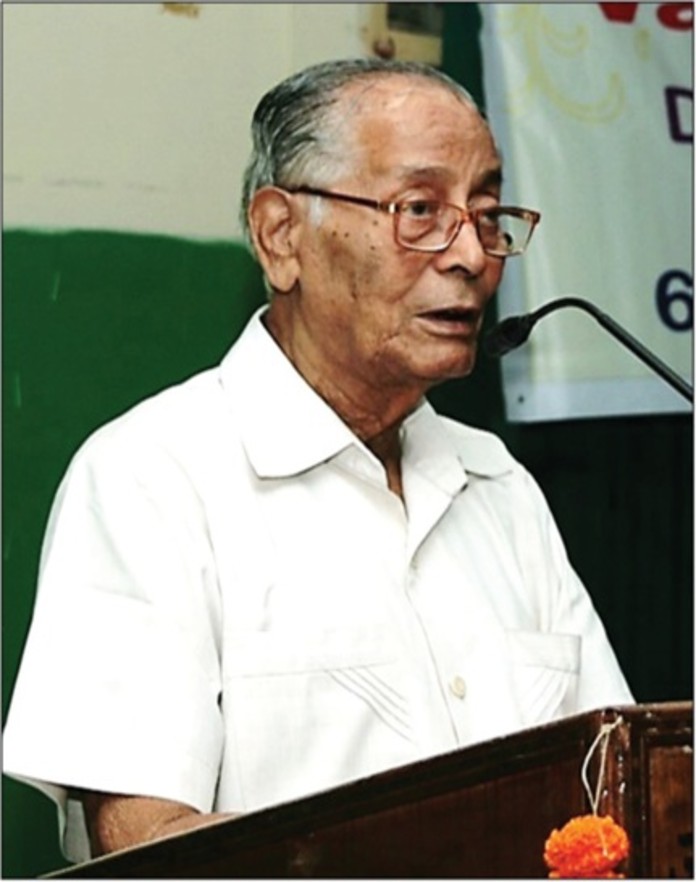
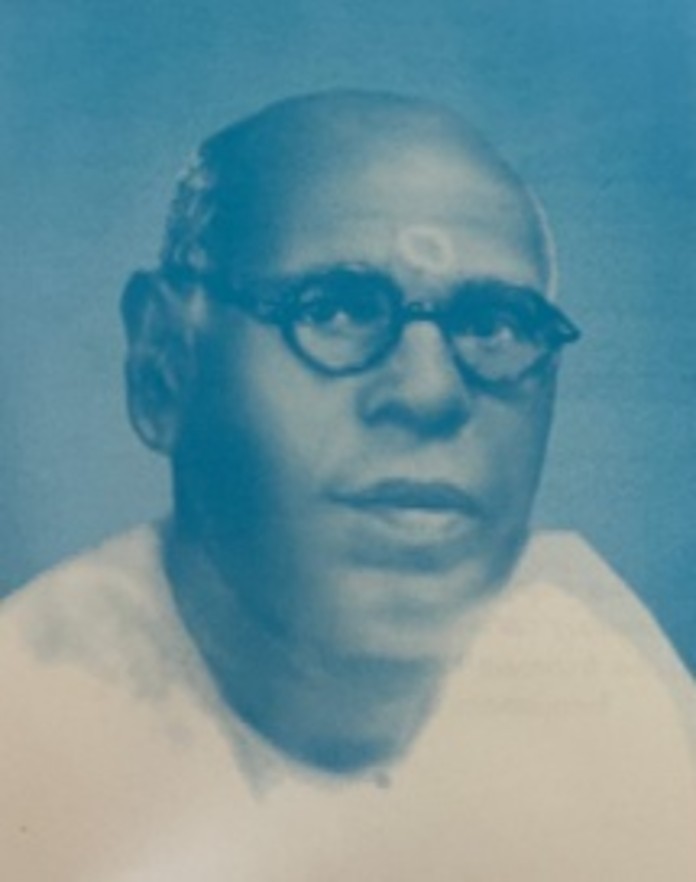
Vaidya Prabhakar Joshi Nana
Date of Birth:- January 5, 1936
Place of Birth:- Tekavade, sub-division Shirpur, district, Dhule, Maharashtra.
Details of family:- His childhood was spent in a small village Methivikharana, Sihndakheda, sub-division of Dhule. Despite facing significant struggles with poverty, his father, the late Shri Tanaji Dagadu Joshi, and his mother, the late Mrs. Kamal Tanaji Joshi, continued encouraging Nana to pursue higher education. As the eldest among six brothers and five sister, Nana’s childhood revolved around assisting his parents with farming.
In 1962, Nana married Shobha Joshi (Nani), and together they were blessed with one daughter and two sons. His sons, Dr. Pravin Prabhakar Joshi and Chandrashekhar Prabhakar Joshi, along with their spouses, Kirti Pravin Joshi and Sampada Chandrashekhar Joshi, have continued his legacy since his passing in 2021. Nani managed the Dhule pharmacy for many years but spent her final days bedridden before passing away on November 30, 2023. Currently, his son Pravin Joshi manages Nana’s Panchakarma training program, and the practitioners he mentored across India continue to uphold his practical teachings, ensuring the lasting impact of his work.
Educational Qualifications:-
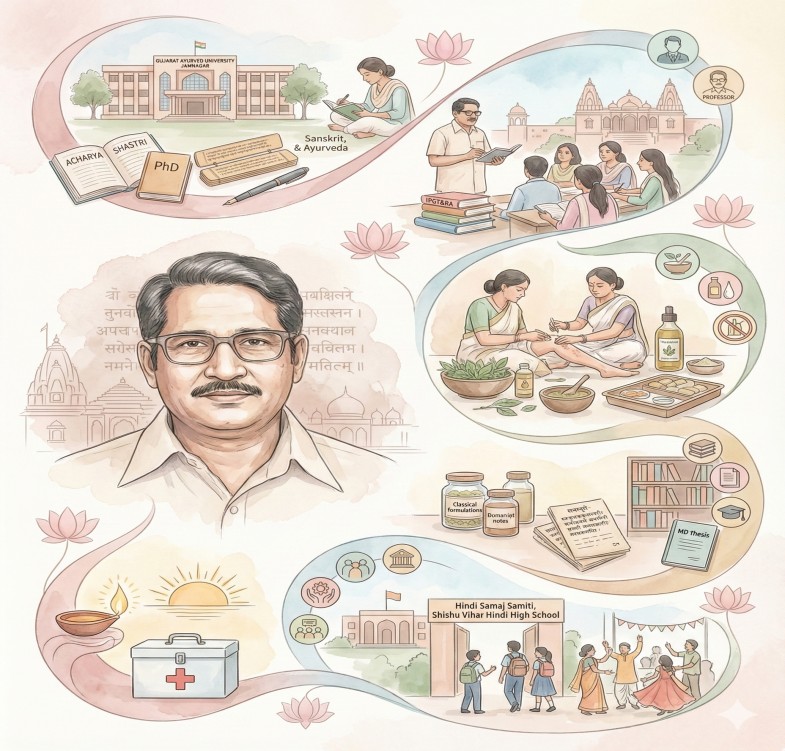
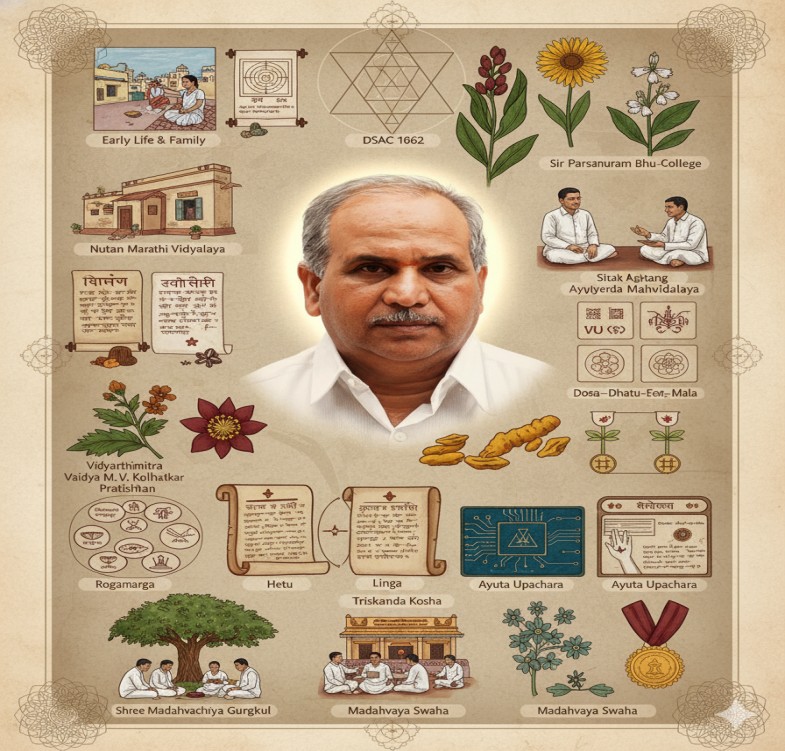
Nana pursued his metric (7–11th standard) education from JR City High School Dhule and passed in 1954. He received Sanskrit and Veda education from “Saraswati Pathashala,” Dhule, in 1954. His pursuit of education continued as he graduated in D.S.A.C (Ayurveda Pravin) from Ayurveda Seva Sangh College in Nashik. He completed the 4-year course while simultaneously working at a skin specialty hospital in Nashik to support himself and tutored 10th-grade students to earn additional income. From 1971 to 1975, he and his friend Vaidya Shankarsing Girase regularly traveled from Dhule to Amaravati to study Panchakarma with the late Vaidya T. M. Gogate. He was trained by the Late Shri Vaidya T. M. Gogate ji for Panchakarma procedures. From 1971 to 1975, he and his friend Vaidya Shankarsing Girase regularly traveled from Dhule to Amaravati to study Panchakarma with the late Vaidya T. M. Gogate. He pursued FIAM (Fellowship in Indian Alternative Medicine) from Pune in 1993 with the subject “role of Panchakarma in emergency conditions.” In 1993, he pursued an FIAM from Pune, focusing on the role of Panchakarma in emergency conditions.
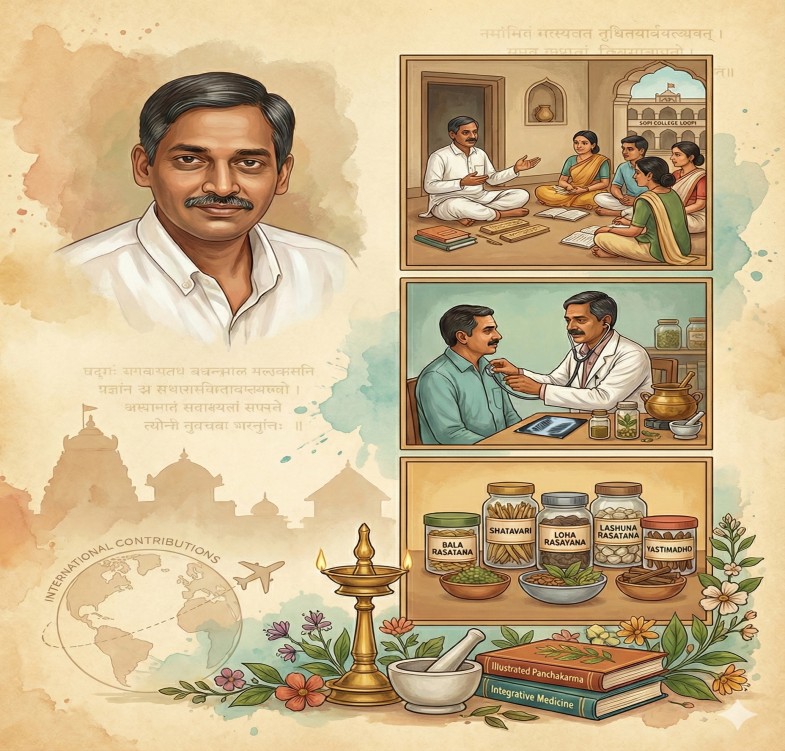
Vaidya Prabhakar Tanaji Joshi is well known in Ayurvedic circles as Nana. He was a well-known Ayurvedic physician for his ability to treat patients with Panchakarma (five internal bio-cleansing therapies) at a reasonable cost. He was also a social leader who cared for the wellbeing of his community and treated emergency cases with Panchakarma. Since the 1960s, he has devoted his life to practicing, teaching, raising awareness, and promoting acceptance of Ayurveda. He had successfully treated a great deal of cases of measles, chikungunya, infertility, skin illnesses, and even tuberculosis without the need for an anti-tubercular regimen. He had also prevented hysterectomy in several women who had been recommended. He inspired people to cultivate therapeutic plants and established a pharmacy where he could manufacture medicines at low cost. He had written numerous scholarly publications and chaired numerous scientific sessions. He mentored and instructed numerous accomplished Ayurvedic practitioners. Through immense diligence, self-control, empathy, and genuineness, he dedicated his life to advancing the field of Ayurveda.
Professional Trajectory:-
Nana has initiated “Arogya Rakshak initiative” intending to provide low-cost Ayurveda treatment to all strata of the society. The initiative includes Prakruti Parikshana (analysis of constitution), Pathya-apathya Sankalpana (dos and donts of diet), and medicinal plant identification for common people. With the help of the local NGO, he distributed low-cost, effective herbs for cultivation. Through this initiative, he encouraged people to use locally available herbs and diet for their health. He has also initiated the “Ayurvedic Maternal Care,” which was aimed at Sukhprasuti (easy labor) among rural women and supported them for normal delivery, antenatal care, Garbha Sanskara (prenatal care of the fetus), and postnatal care.
He practiced giving enema for easy labor and to avoid complications during the delivery process. This was highly appreciated in rural populations as hospital care centers with good facilities were not available in interior zones during that time. He has motivated farmers to cultivate herbal medicinal plants under the initiative, “Sheti Tumchi, Vanaspati Amchi” which means, “You cultivate the medicinal plants we suggest on your farm.” Some of the Ayurvedic medicines are costly, and not everyone could afford them. Nana’s vision for Ayurveda was “Ayurveda for all” irrespective of economic conditions. He took the initiative in the production of cost-effective and easy-to-prepare medicine.
He had also conducted clinical studies to explore the role of Avapidaka-sneha (medicated ghee to be administered before and after digestion of food) in Ashmari (kidney stone), effect of Vamana with Vasaghrita for Rajyakshma (tuberculosis), Basti Chikitsa for Malavashtambh (chronic Constipation) and Panchakarma for Vandhyatva (infertility) among others. He presented a research paper on “role of Panchakarma in emergency stages” during his FIAM tenure at Pune University. He presented a study on “successful Ayurvedic treatment of 300 measles cases” in a seminar at Ahmedabad, Gujarat, in 1989. He delivered more than 100 guest lectures at the state and national levels. He published a book titled “Kimaya Panchakarmachi” (magical effects of Panchakarma treatments), which is very popular among practitioners of Ayurveda. He wrote many popular articles in “Ayurveda Patrika,” a Marathi magazine published by Ayurveda Seva Sangh, Nashik.
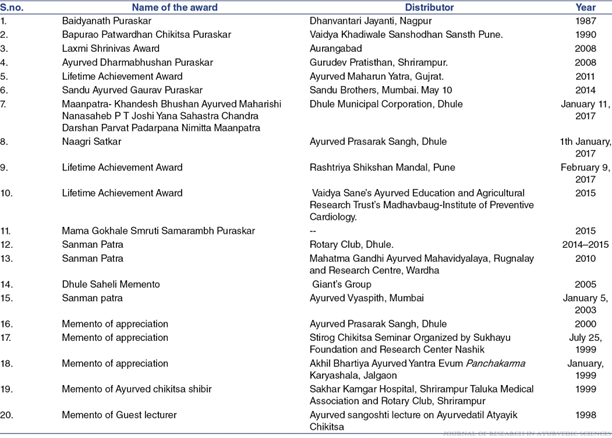
Awards and Accolades:-
He held and was honored with the following positions:
- ➣ Authorized member at Pune University (Maulik Sidhdhant and Chikitsa).
- ➣ Former Secretary at Ayurved Prasarak Sangh, Dhule.
- ➣ Former Vice President at Ayurved Mahasammelan, Maharashtra.
- ➣ Former President at Savarkar Sahitya Sabha, Dhule.
- ➣ President at Dhanvantari Ayurvedic Shikshan Samshodhan Sanstha, Dhule.
- ➣ Founder at Sane Guruji Aarogya Mandir, Malegaon.
- ➣ Founder at Prabha Ayurved Foundation Maharashtra
Major contributions:-
At Ayurvediya Panchakarma Chikitsalaya, Dhule, he has started a 1-month Ayurveda “Panchakarma Prashikshana Gurukul training resident course.” Enrollment for this course is now available online through the website https://www.dasss.co.in/gurukul/. A total of 20–25 students were enrolled there to receive training in Ayurvedic medicine and Panchakarma Ayurveda. In his 25 years of work, he prepared more than 10,000 students. He made a significant effort to educate people on the importance of a nutritious diet, emphasizing the benefits of ghee and the health risks associated with processed and junk foods such as toast and biscuits.
He was deeply committed to community service and outreach. Known for his outgoing nature and keen social commitments, Nana was highly approachable and readily available to provide medical care to anyone in his region, both during and after his service. He set up roughly 934 Panchakarma Shibira (camps) in rural areas, where he provided free medical care and Panchakarma. He has treated approximately 25 lakh patients through medical camping. He was greatly motivated by the ideas of Mahatma Gandhiji during his time as a medical officer (1962–1963), and he decided to travel between communities to understand their medical concerns and offer free Ayurvedic therapy to those in need.
During his service in Mudavad, Dhule (1964–1967), he was disheartened to see that the poor local population did not seek medical care due to their economic status. To assist these underprivileged patients, he adjusted his daily routine to provide free Ayurvedic therapy directly to them. He went to patients’ homes during the measles outbreak and administered Vamana to treat over 300 instances of the disease. When he was 75 years old, he explored the Samadhi shrine (memorial) of Lord Dhanwantari in the Dhanej forest in Veraval, Gujarat. He took the initiative to erect a statue of the independence hero Vinayak Damodar Savarkar, reflecting the community’s admiration for him. Additionally, he actively participated in numerous social events at the Satkaryottejak Sabha and Samarth Vagdevata Temple in Dhule.
From his journey since childhood to a globally accepted Ayurveda teacher, Nana has struggled a lot for the establishment and acceptance of Ayurveda. With tremendous hard work, discipline, sincerity, and loyalty toward the professional and spiritual life, he has wholeheartedly served people in need with compassion and empathy. With his work, he created an immense impact on the future generations of Ayurveda.