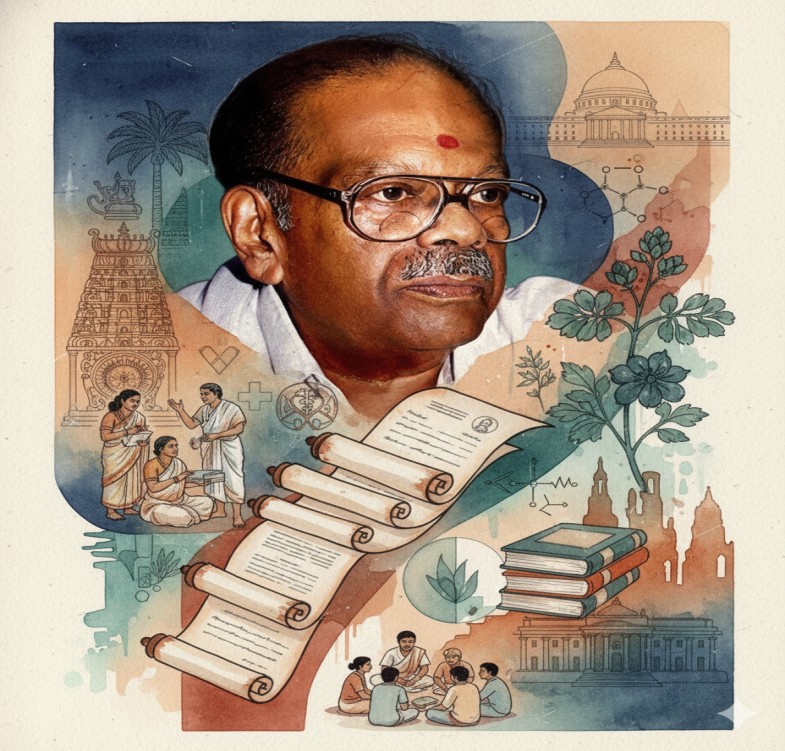
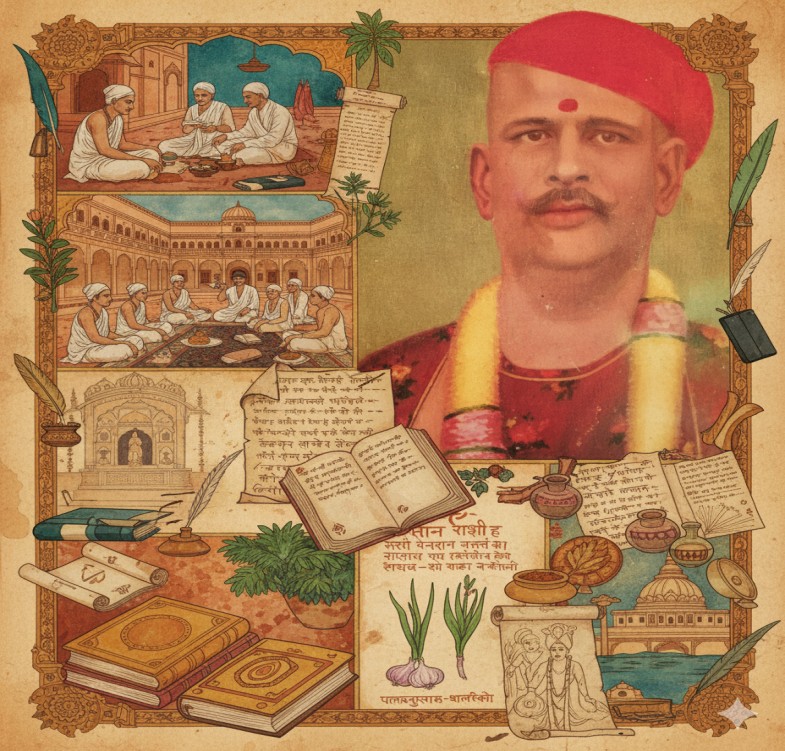
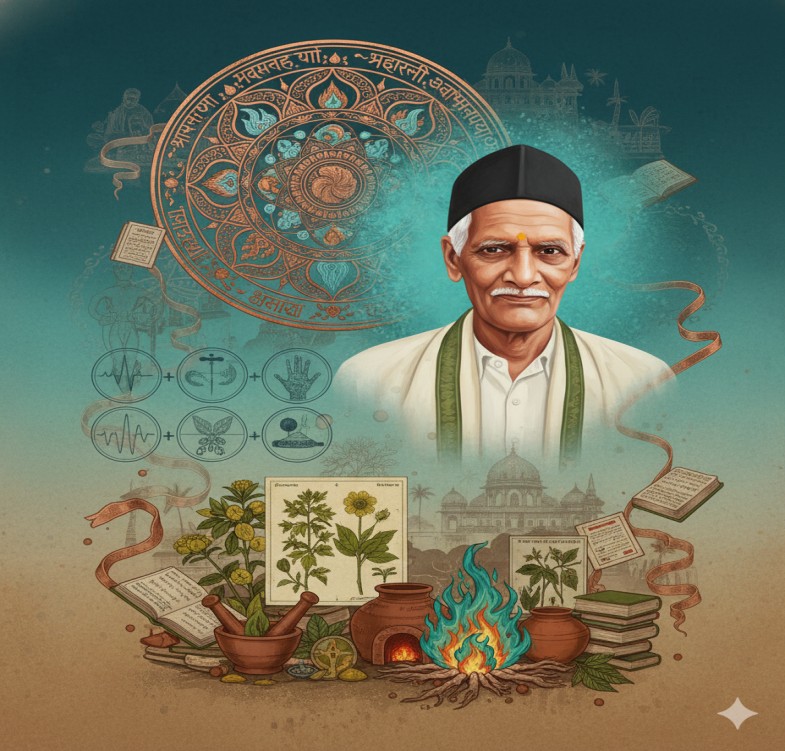

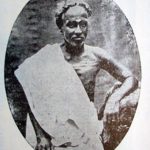
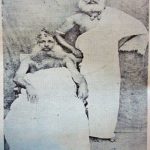
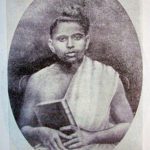
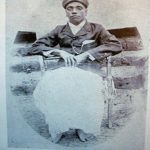
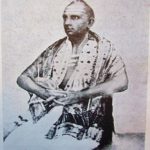
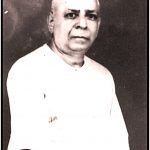
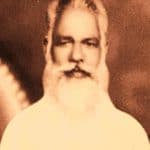
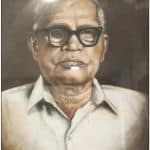
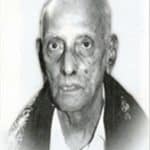
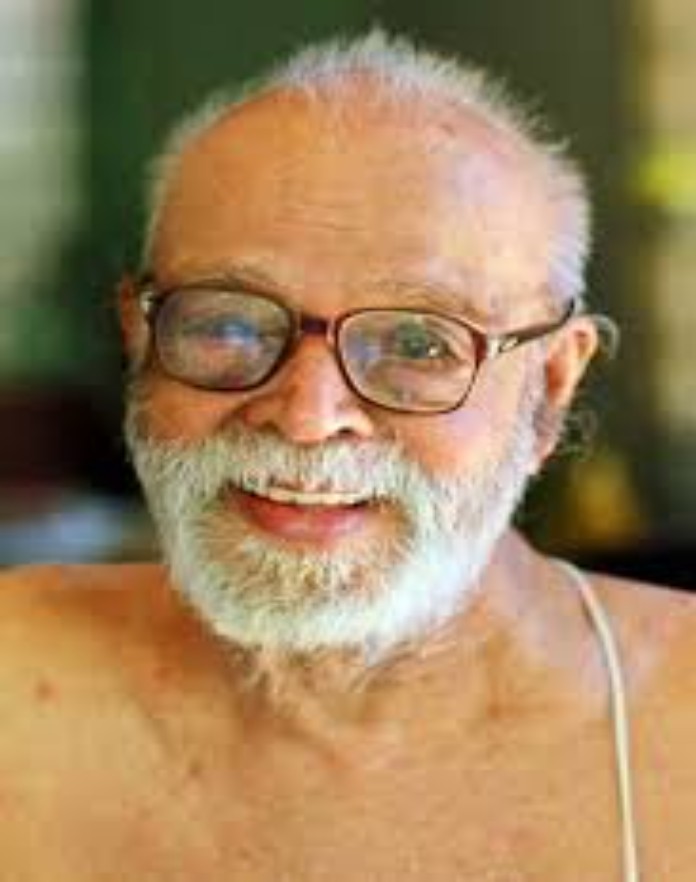
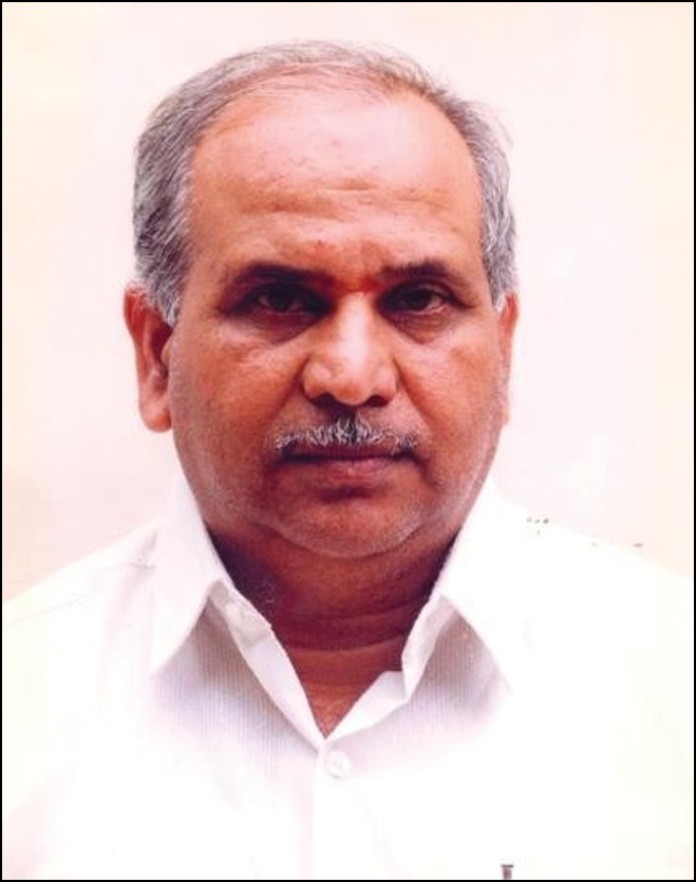
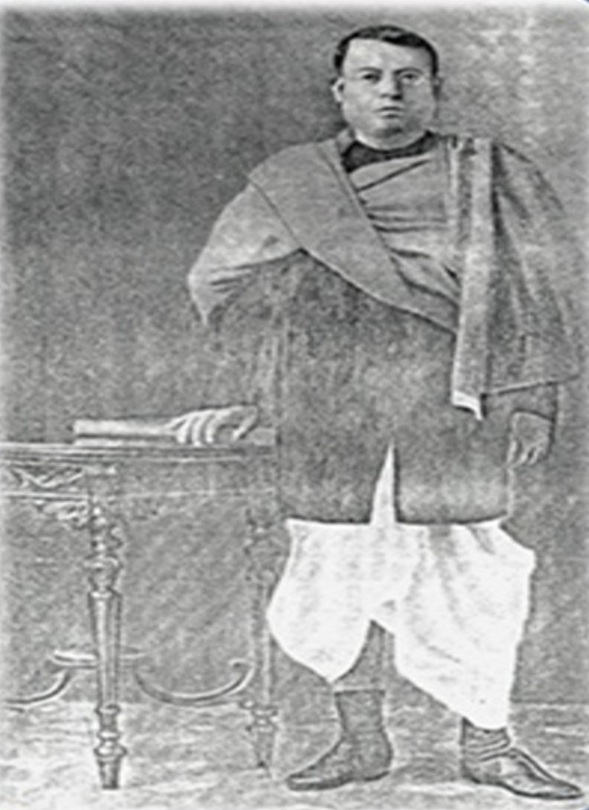
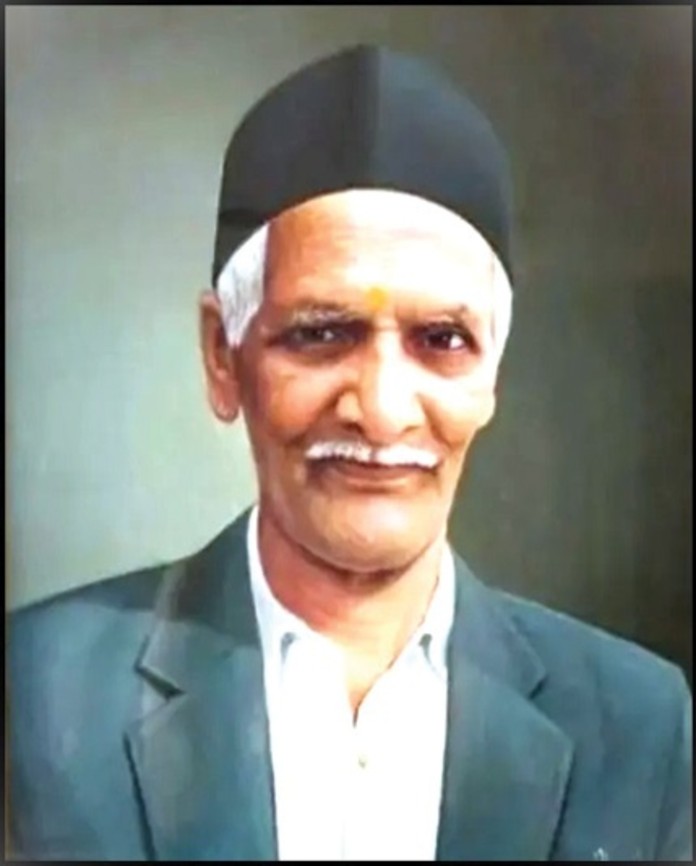
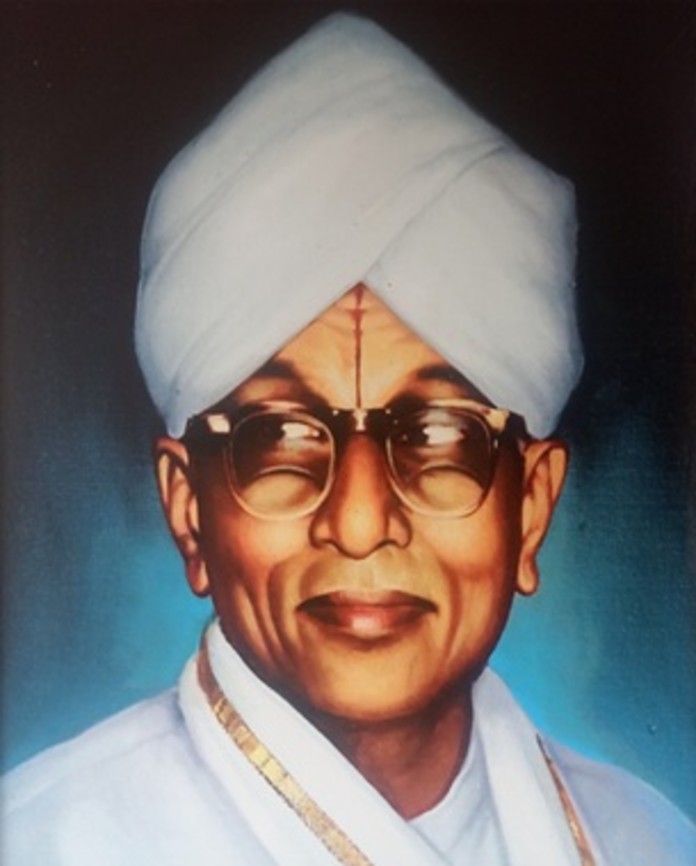
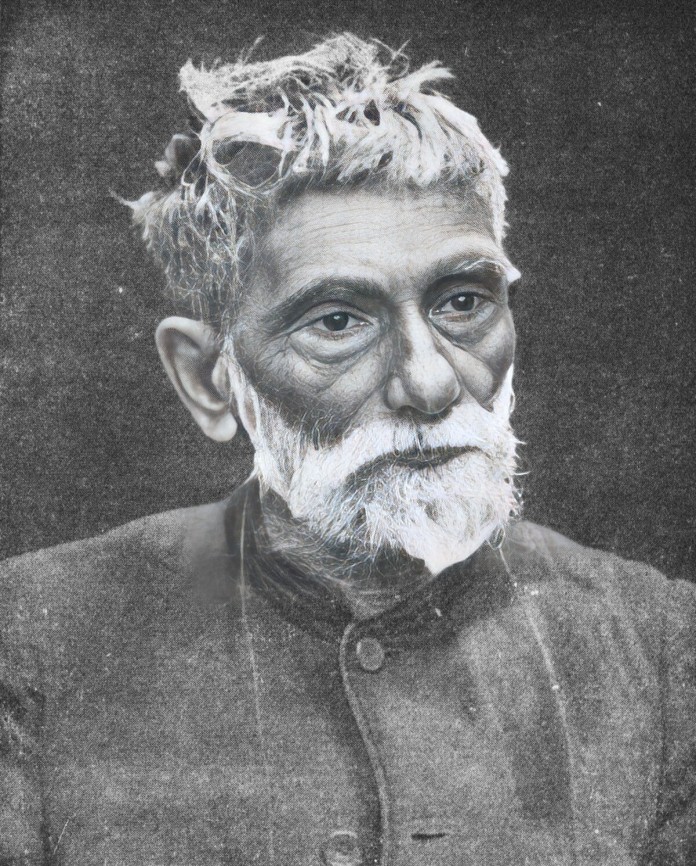
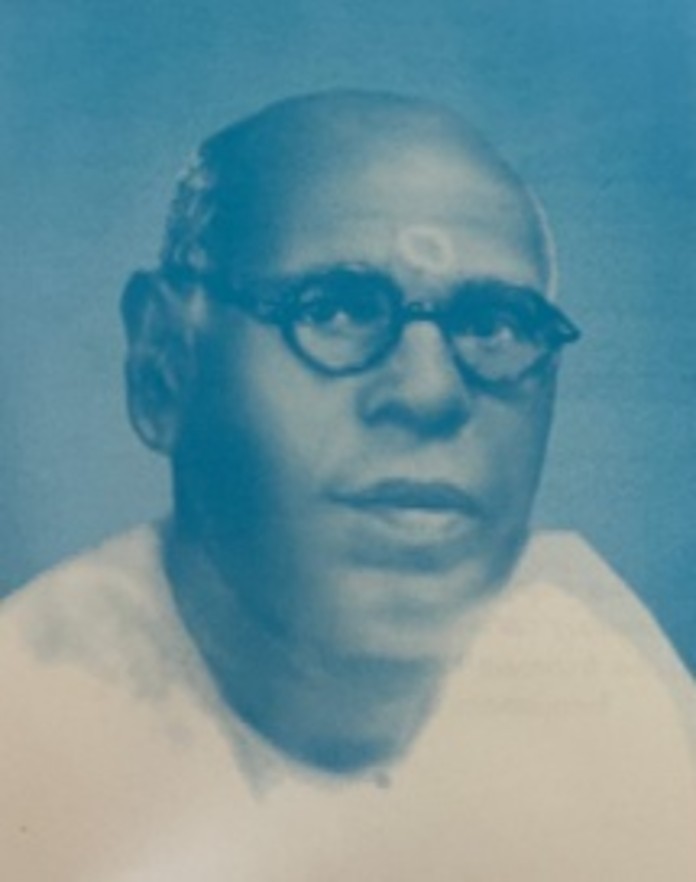
Pandit Divi Gopalacharlu
Date of Birth:- 8th October 1872
Place of Birth:- Machalipatnam, Krishna District, Andhra Pradesh
Details of Family:- Pandit Divi Gopalacharlu was born into a highly respected Brahmin family. His father, Sriman Agnihotram Kodandaramacharlu, was a Vedic scholar, which greatly influenced his early education. Growing up in a household dedicated to Sanskrit learning and spiritual practices, Gopalacharlu developed a strong affinity for Ayurveda, philosophy, and Sanskrit scriptures. His family environment fostered a sense of duty and service to society, which became a driving force in his later contributions to Ayurveda.
Educational Qualifications:- Pandit Gopalacharlu’s formal education began in Machalipatnam in 1877, where he received traditional Sanskrit training alongside primary education. He later moved to Mahant School, Tirupati (1886), where he was honored with the title “Acharya” due to his proficiency in Sanskrit, Vyakarana, and Tattvashastra. His growing interest in Ayurveda was kindled during his studies in Hyderabad (1887), where he engaged with Sadhu scholars and delved into ancient Ayurvedic manuscripts.
In 1888, he enrolled at Maharajah’s Ayurveda Oriental School in Mysore, one of the leading institutions of Ayurveda at the time. His education at Sanskrit and Veda Pathashala, Mysore (1893) provided him with a deep understanding of classical Ayurvedic texts. Over the next few years, he traveled extensively across India, interacting with renowned Siddha and Ayurveda physicians, and studying local medicinal plants. His exposure to traditional healing practices strengthened his conviction that India’s wealth lay in its medicinal plant resources rather than in minerals or industrial development.
Professional Trajectory:-
Role in Epidemic Control
- In 1895, a devastating plague outbreak struck Mysore. Recognizing his expertise, the British Government recruited him as a Special Plague Officer.
- He successfully formulated Haimadi Panaka and Shatadhauta Ghrita, two Ayurvedic medicines that played a crucial role in combating the epidemic.
- His effective use of Ayurveda for epidemiological control earned him national acclaim.
Establishment of Ayurvedic Institutions
- 1895: Moved to Madras, where he was appointed Chief Physician at Kanyaka Parameswari Devasthanam.
- 1897-1901: Established the Ashramam of Ayurveda, reviving Ayurveda education at a time when Western medicine dominated.
- 1898: Founded Sree Kanyaka Parameswari Devasthanam Ayurveda College (S.K.P.D.), offering free Ayurvedic education and healthcare.
- 1914: Advocated for Ayurvedic medical regulations, ensuring that only qualified practitioners could treat patients.
Contributions to Ayurveda and Education:-
Reviving Ayurveda through Literature
- Founded Ayurvedashrama Granthamala, translating and publishing Ayurvedic classics into Telugu to make them accessible to a wider audience.
- Published 20+ Ayurvedic texts, including Madhava Nidana, Rasapradipaka, Bheshaja Kalpamu, and Agastya Vaidyamu.
- Started “Dhanvantari” journal (1919) to document Ayurvedic research, later continued by Achanta Lakshmipathi.
Standardizing Ayurvedic Pharmaceuticals
- Founded Madras Ayurveda Laboratory, a pioneering effort to produce Ayurvedic medicines at scale.
- Developed 56 proprietary formulations, including Jeevamrutham (vital drops), Asoka Vati (women’s health), and Swarna Kravyada Rasa (digestive tonic).
- Set standards for Ayurvedic drug preparation, influencing future pharmaceutical developments.
Political and Social Contributions
- Advocated for Ayurveda’s recognition at the national level, challenging British suppression of indigenous medicine.
- Served as President of multiple Ayurvedic conferences, including:
- Seventh Kerala Ayurveda Samajam (1909)
- Akhila Bharata Ayurveda Conference (Bombay, 1913)
- Haridwar Ayurveda Conference (1917)
- First Andhra Ayurveda Conference (Bezwada, 1917)
- Successfully argued that Ayurveda was more cost-effective than Western medicine, citing statistical studies from Kerala, Hyderabad, and Madras.
Recognition and Awards:-
- Conferred “Vaidya Ratna” (Gem of Physicians) by King George V (1913) for his pioneering work in Ayurveda.
- Honored with “Ayurveda Martanda” (Nasik, 1907) and “Bhishangmani” (Calcutta, 1907).
- Gold medalist at the Benares (1905) and Calcutta (1906) Ayurvedic exhibitions.
- Presided over Lahore Vaidya Conference (1918) and Dravida Ayurveda Vaidya Conference (1919).
Principles and Ethos:-
Pandit Divi Gopalacharlu was a visionary reformer, blending Ayurveda’s ancient wisdom with modern scientific approaches. He firmly believed that:
- Ayurveda should be taught in local languages, making it more accessible.
- Standardization and quality control were essential for Ayurvedic medicines to gain credibility.
- Ayurveda could be integrated with modern medical science, ensuring its relevance in contemporary healthcare.
- Philanthropy and social service were integral to a true physician’s duty.
Legacy and Influence:-
Pandit Divi Gopalacharlu passed away on 29th September 1920, but his impact on Ayurveda remains profound. His contributions to Ayurvedic education, pharmaceutical advancements, and policy reforms continue to shape the field today. His teachings, translations, and pioneering efforts laid the foundation for modern Ayurvedic practice in India, ensuring that Ayurveda remains a thriving and respected system of medicine.