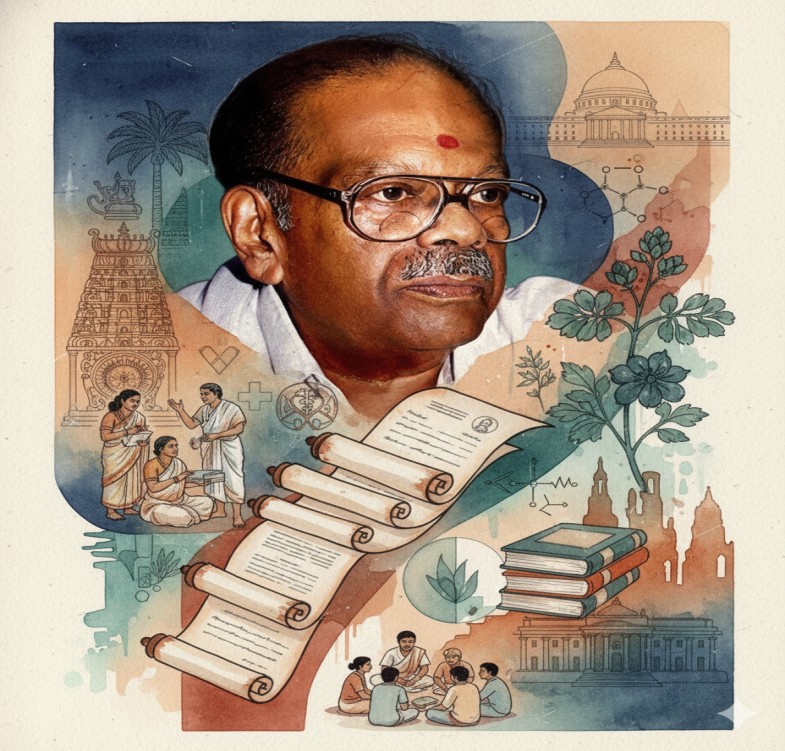
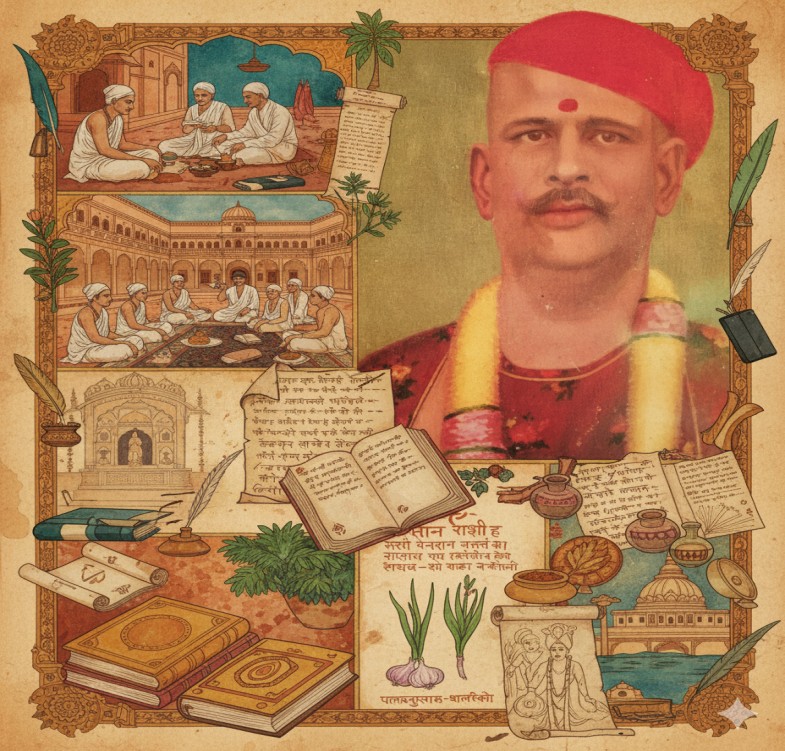
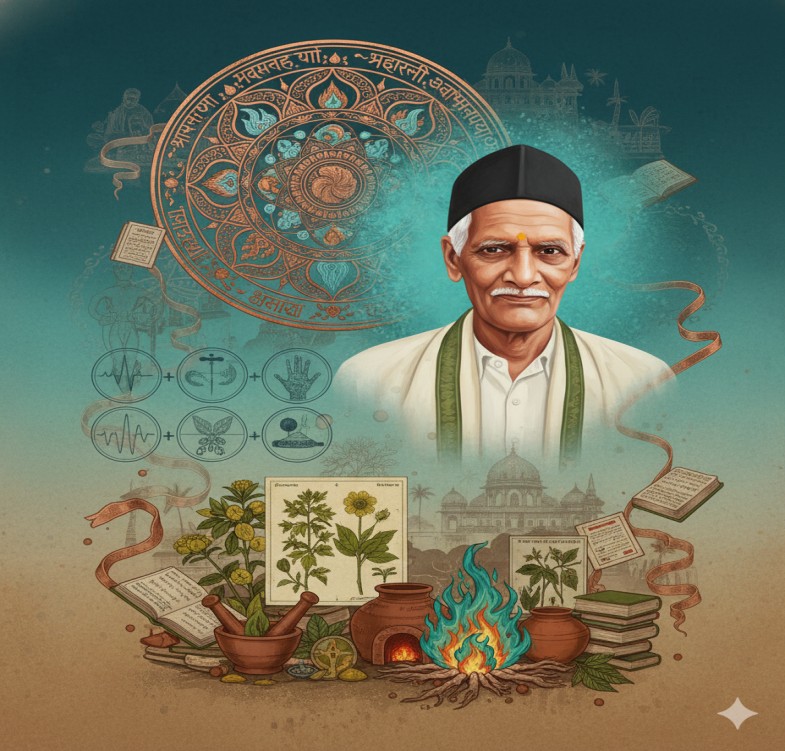

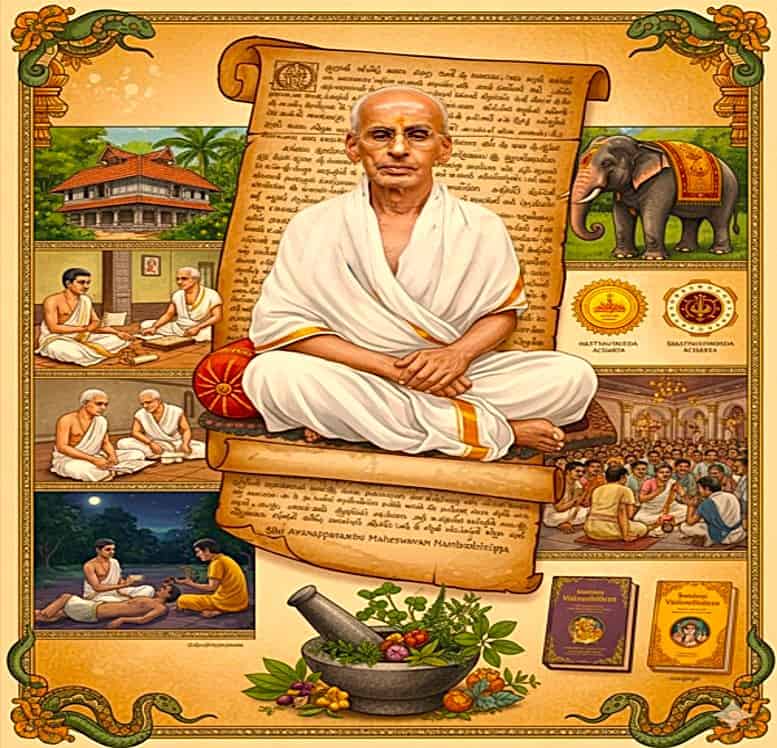

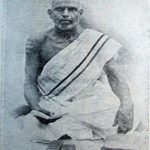
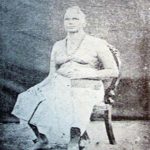
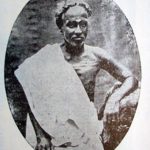
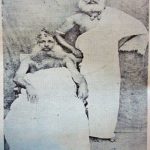
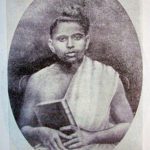
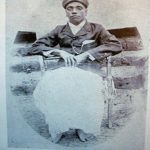
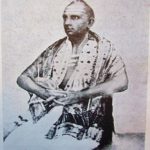
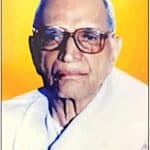
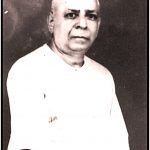
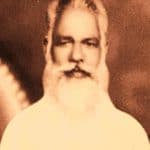
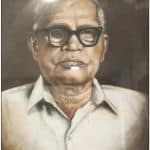
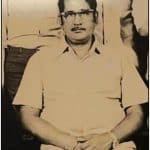
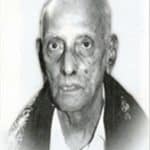
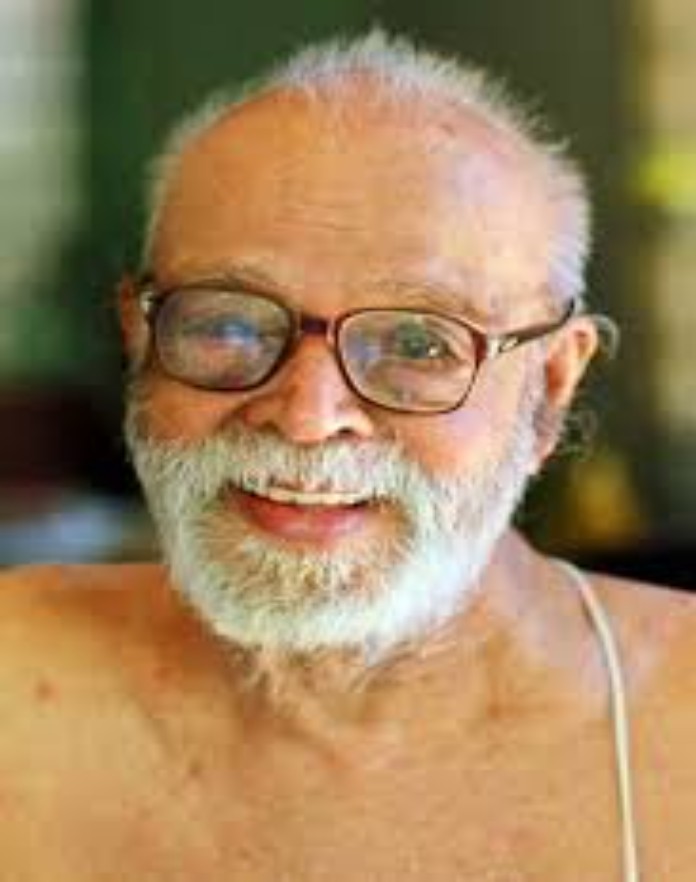
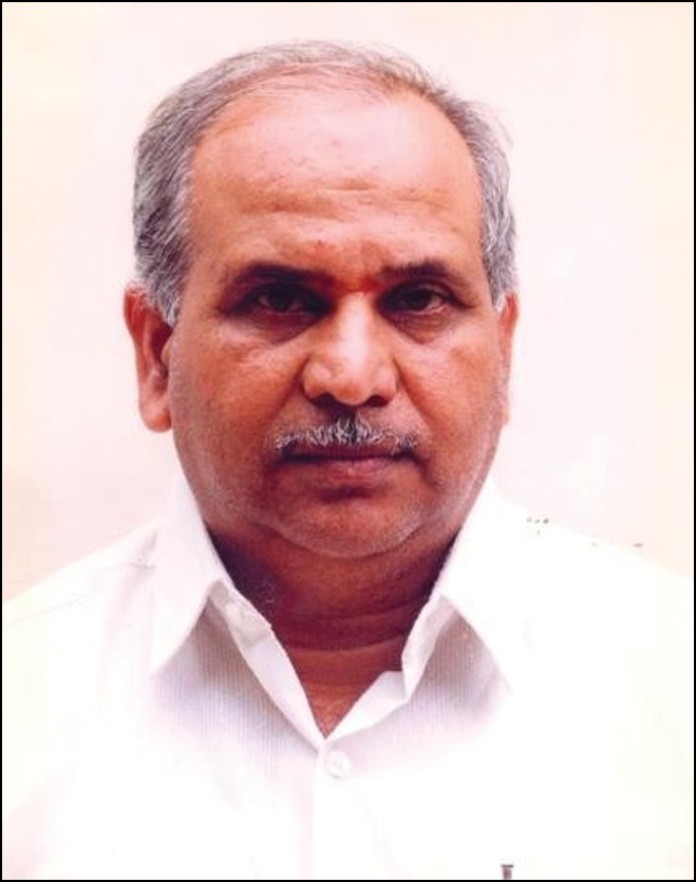
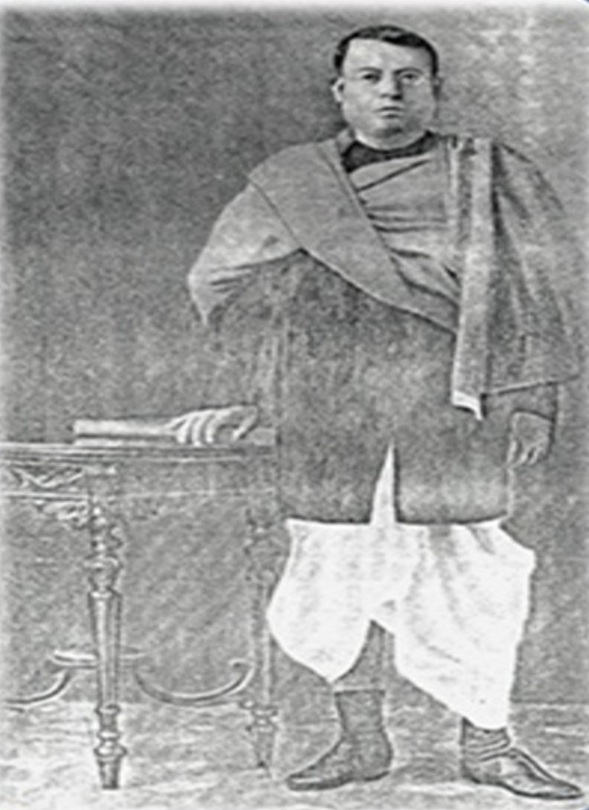
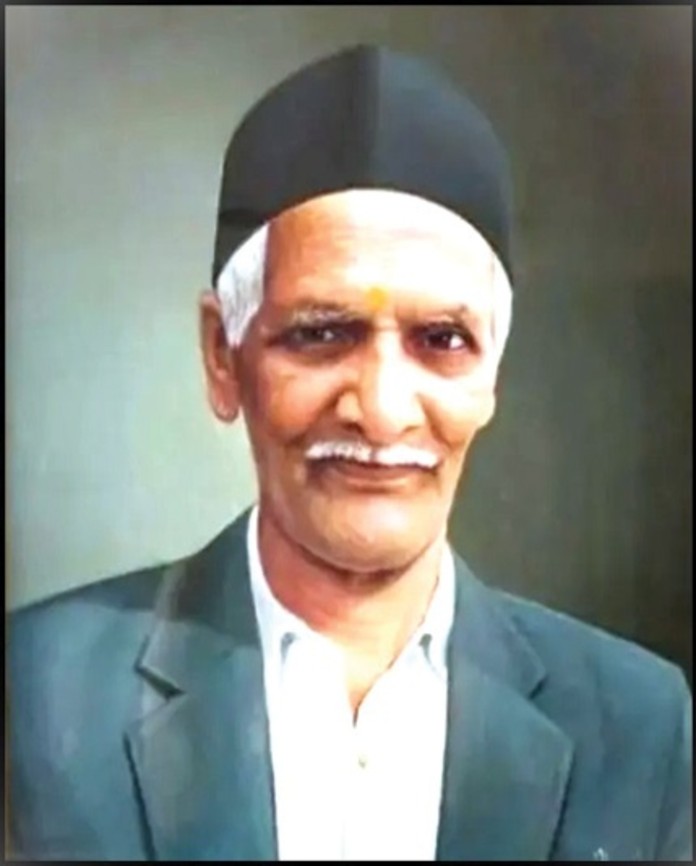
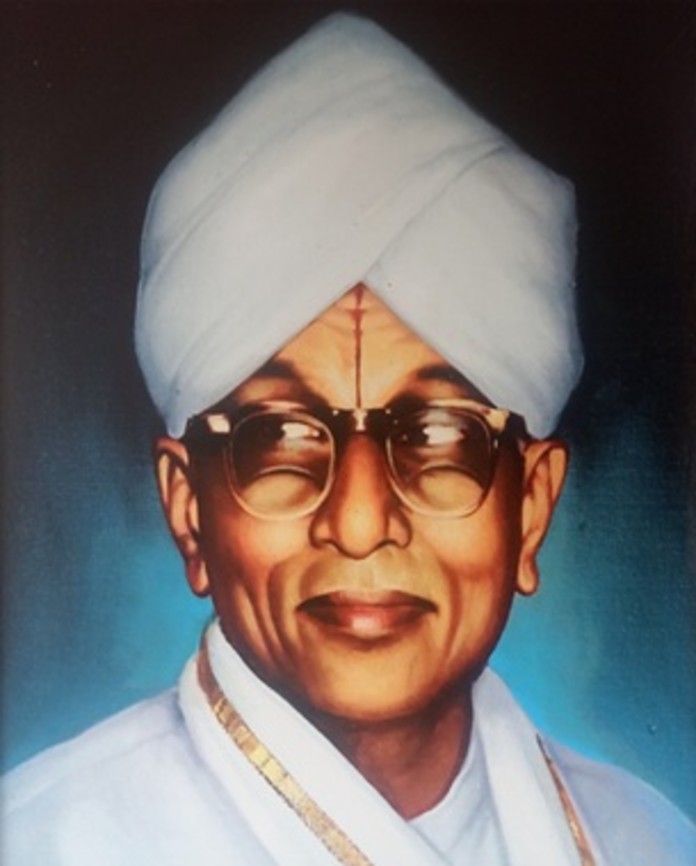
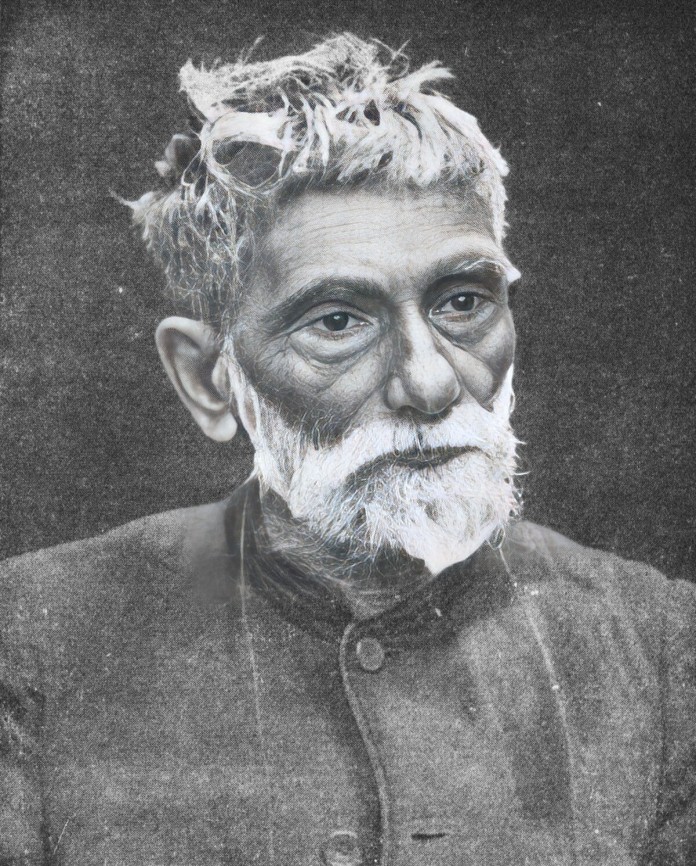
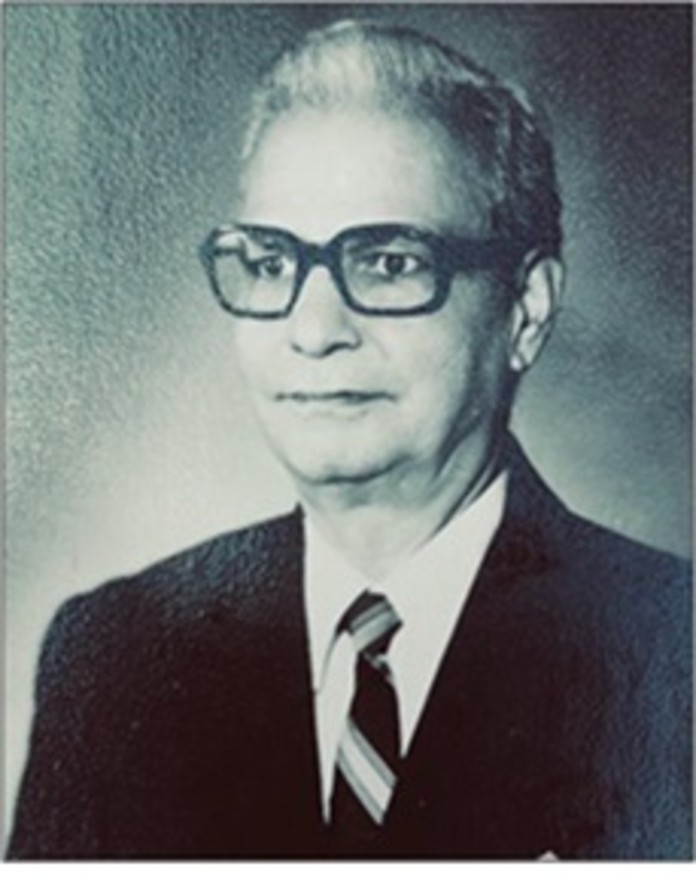
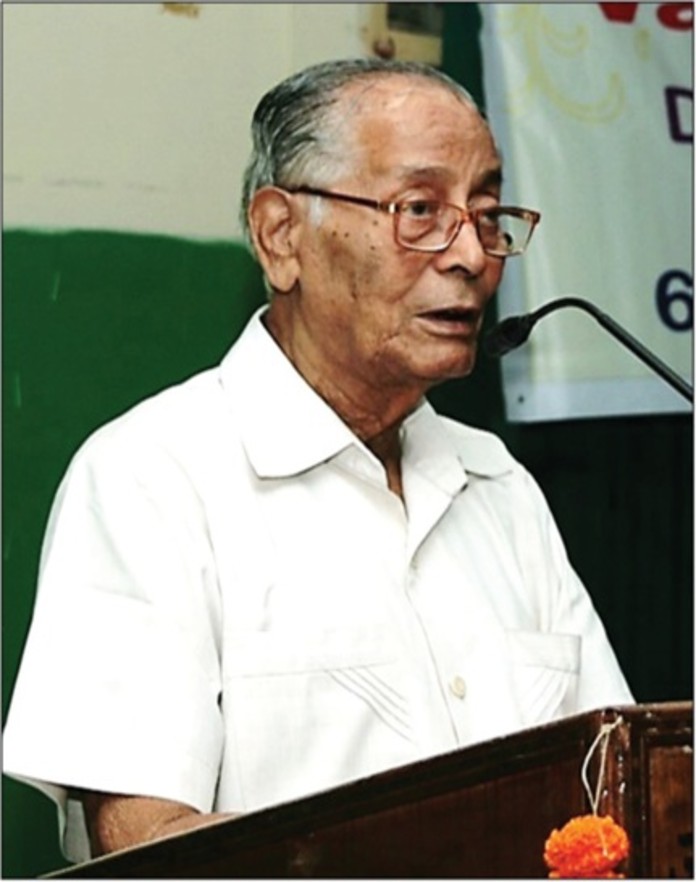
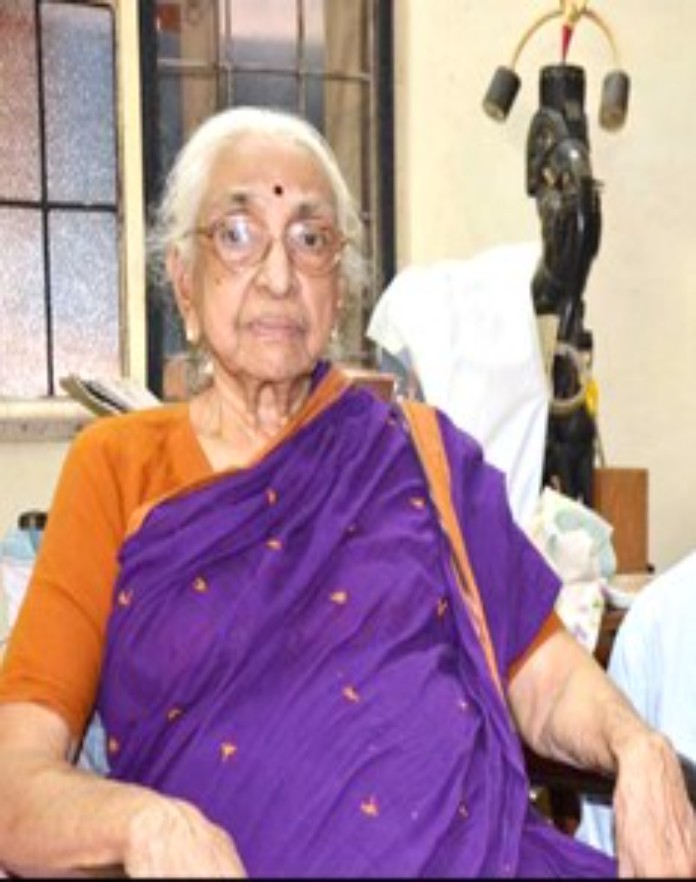
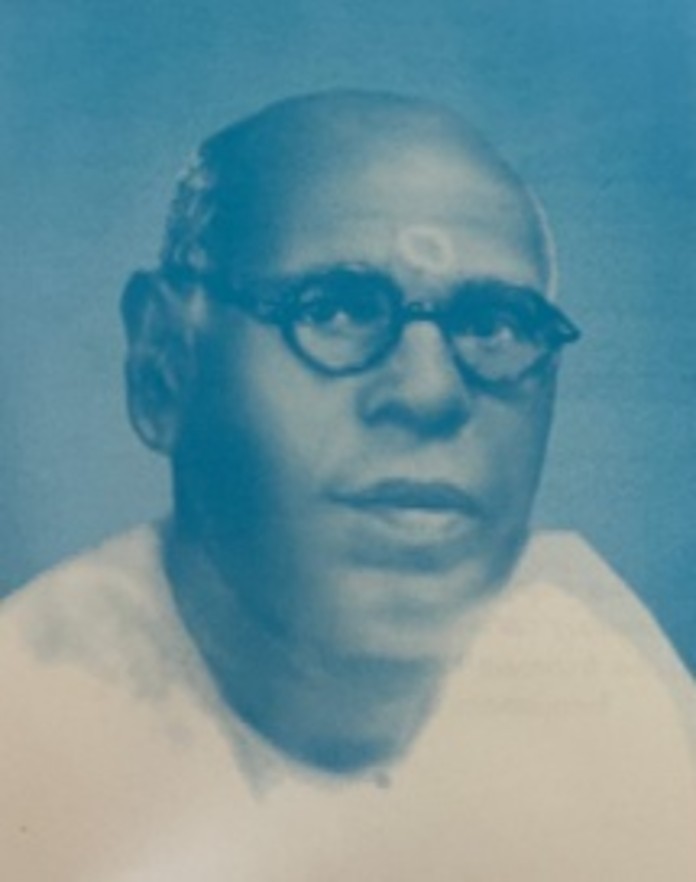
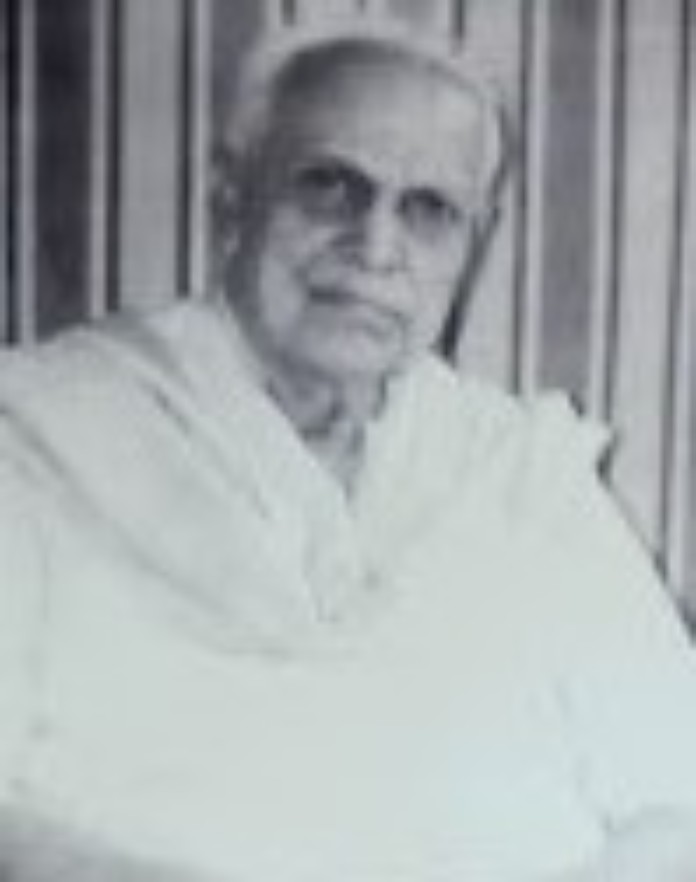
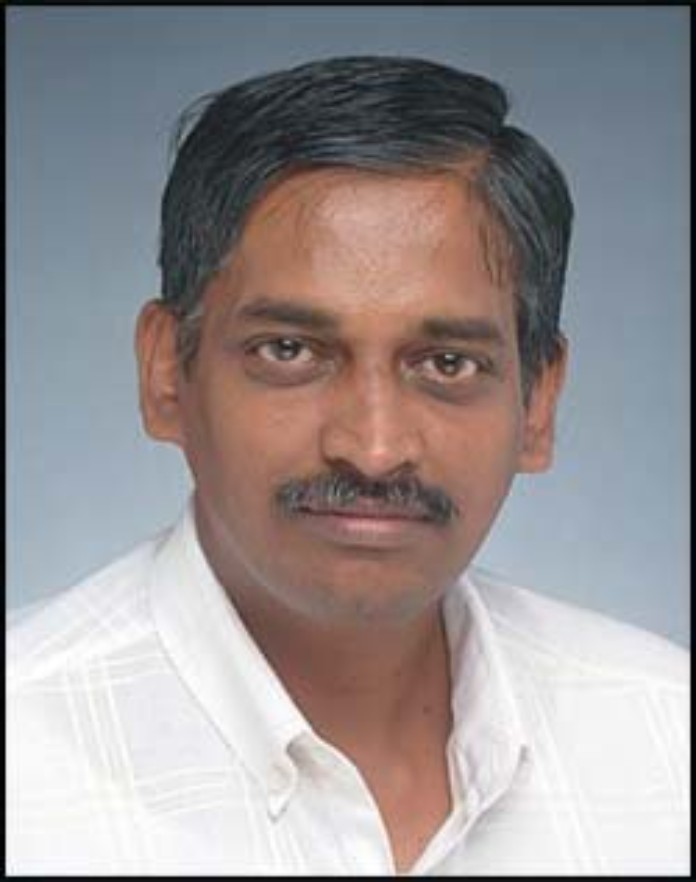
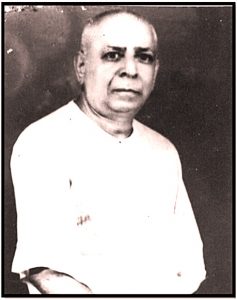
 Rasacharya Pandit Chivukula Satyanarayana Sastry
Date of Birth: 1888.
Place of Birth: Unguturu Village, West Godavari District, Andhra Pradesh.
Details of Family:- Pandit Chivukula Satyanarayana Sastry was born into a pious Brahmin family as the second child of Venkata Subbavadhanulu and Venkamma. His deep-rooted upbringing in Sanskrit and Vedic studies played a crucial role in shaping his future as a scholar and Ayurvedic practitioner. He married Lakshmi Narasamma, and they had four sons and five daughters. His grandson, Pammi Satyanarayana Sastry, carried forward his Ayurvedic lineage.
Educational Qualifications:- From an early age, Sastry displayed remarkable aptitude in Sanskrit and classical texts. He received his primary education from his father and later trained under the esteemed Pandit Pammi Peda Peri Sastry, who also taught Tirupati Venkata Kavulu and Chellapilla Venkata Sastry. His thirst for knowledge led him to study Rasaratna Samuchaya, which marked his entry into the realm of Rasashastra (Alchemy in Ayurveda).
His journey into alchemy deepened when he traveled to the Himalayas, meeting expert alchemists and studying the Vada Manjari manuscript, a text on transforming base metals into gold. His return journey was uniquely self-financed—he narrated the Satyanarayana Swamy Vratam in Sanskrit at religious gatherings, earning travel expenses from devotees. This deep association with the sacred text led to him being popularly known as Satyanarayana Sastry.
Professional Trajectory:-
Mastery in Rasashastra and Ayurveda:-
- Sastry gained prominence as a Rasa Vaidya, specializing in Rasa Chikitsa (therapy using metallic and mineral formulations) and Vajikarana Chikitsa (aphrodisiac therapy).
- He pioneered research in Tamra Bhasma (Copper Ash), Swarna Vanga, and Chandanadi Choorna, developing effective treatments for various ailments.
- His extensive clinical practice in Nuzivid and Eluru gained recognition when he successfully treated chronic illnesses and failed cases from allopathic hospitals.
Innovations in Pharmaceutical Preparations:-
- Developed unique formulations, including Chandrahasa Rasam, Jeeva Rasayanam, and Mani Matralu, used in treating neurological disorders and male infertility.
- Introduced new techniques for preparing Rasa Dravyas and Vajikarana medicines, which were first tested on himself before being prescribed to patients.
Contributions to Ayurveda Education and Research:-
- Established Ayurveda Grantharatnamala, a publishing house for translating and publishing Ayurvedic texts in Telugu.
- 1919: Published the first-ever Telugu translation of Chakradatta, a landmark contribution to Ayurvedic literature.
- Authored Bharat Bhaishajya Manjari (Yoga Sahasri), a compilation of 1,000 Ayurvedic formulations, and Vajeekarana Tantram, focusing on aphrodisiacs.
- Translated Rasaratna Samuchaya (1924), making it the first Telugu translation of the classical text on Rasashastra.
- Designed and formulated teaching methodologies for Ayurveda Gurukulas, training many future practitioners.
Clinical Expertise and Case Studies:-
Sastry was known for his miraculous case treatments, including:
- Reviving a child suffering from tetanus, by applying Vatsanabhi (Aconitum ferox) paste on his tongue, followed by an antidote of buttermilk.
- Successfully treating a woman with chronic vomiting, using a novel herbal remedy incorporating earthworm extract.
- Healing a severe lightning burn case, through continuous application of Jasada Bhasma (Zinc Ash) with gingelly oil.
Awards and Achievements:-
- Conferred with the prestigious title of “Rasacharya” (Master of Rasashastra) at the inauguration of A.L. Ayurveda College, Warangal (1956).
- “Ayurveda Sthapaka” and “Ayurveda Mahamahopadhyaya”, honoring his literary and medical contributions.
- Served as Chief Examiner for the “Vaidya Vidwan” Diploma, Andhra Ayurveda Parishad, evaluating future Ayurvedic physicians.
Influence on Future Generations:-
- His grandson, Pammi Satyanarayana Sastry, preserved and published many of his unpublished works with support from the Central Institute of Indian Languages, Mysore.
- His literary and pharmaceutical innovations continue to inspire Ayurvedic scholars, with many of his books archived at CCRAS, Ministry of AYUSH, Hyderabad.
Principles and Ethos:- Sastry upheld the principles of self-experimentation, rigorous testing, and scientific validation in Ayurveda. He believed in blending traditional knowledge with empirical research, ensuring the safety and efficacy of Ayurvedic formulations. His dedication to Rasashastra made him a legendary figure in Ayurvedic pharmacology.
Legacy and Influence:- Pandit Chivukula Satyanarayana Sastry passed away in 1975, but his legacy lives on through his writings, formulations, and successors. His contributions continue to shape the landscape of Rasashastra and Ayurvedic pharmaceutics in Andhra Pradesh and beyond. His life remains an enduring inspiration for Ayurvedic practitioners and researchers dedicated to preserving and advancing traditional medicine.