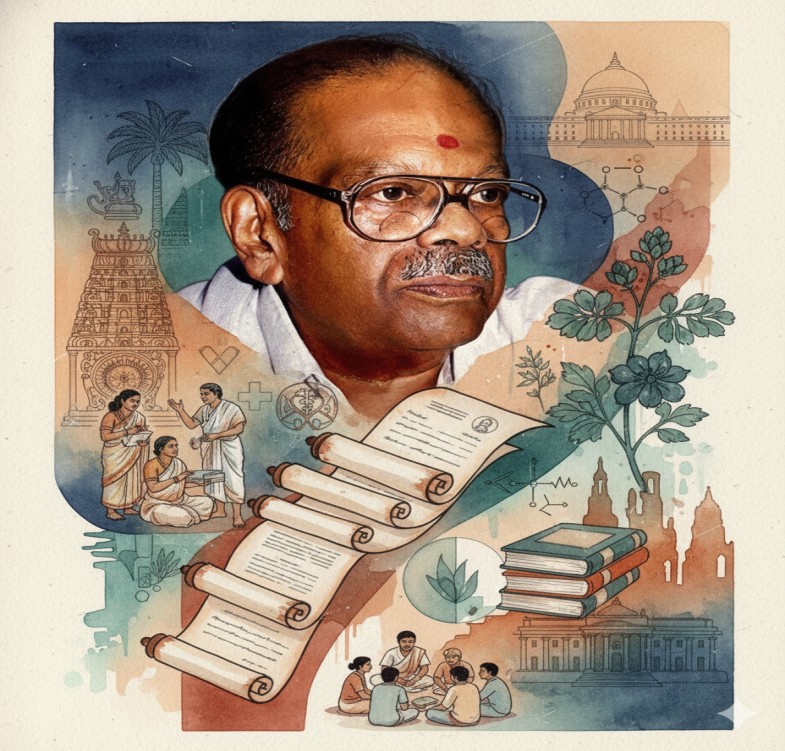

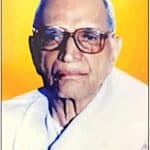
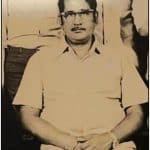
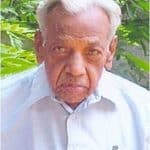
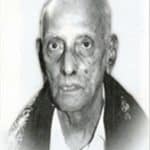
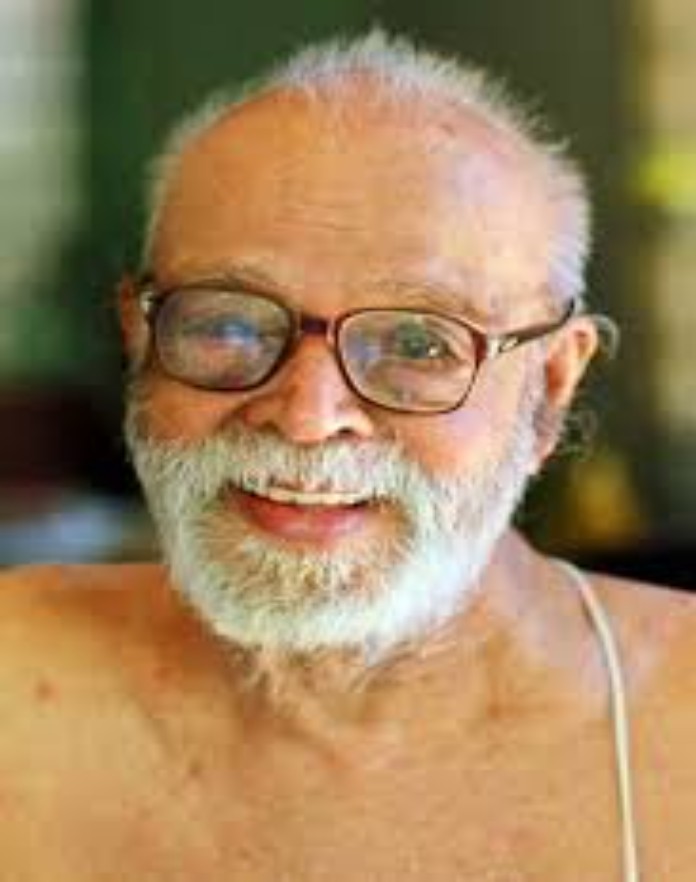
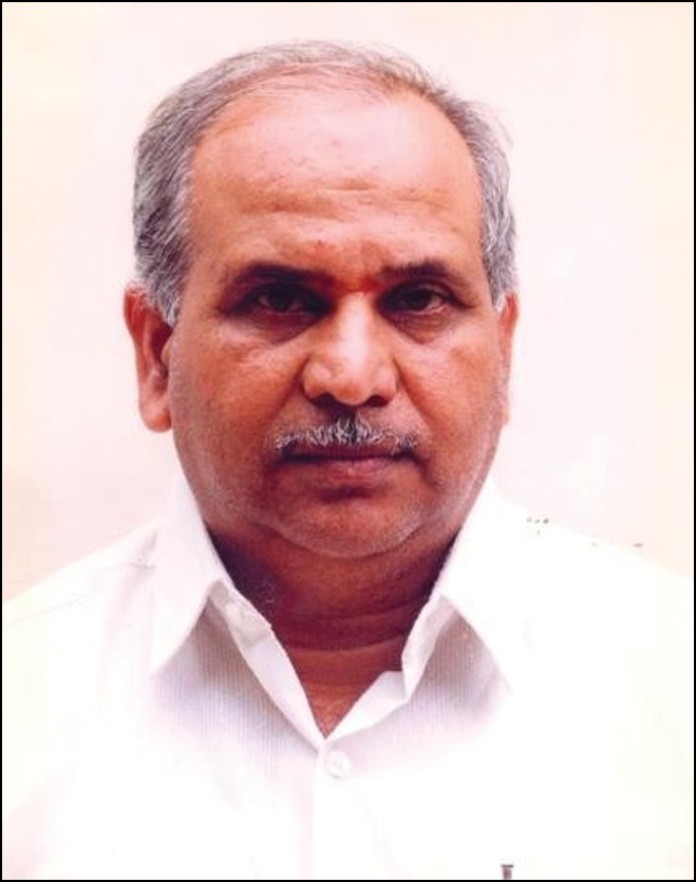
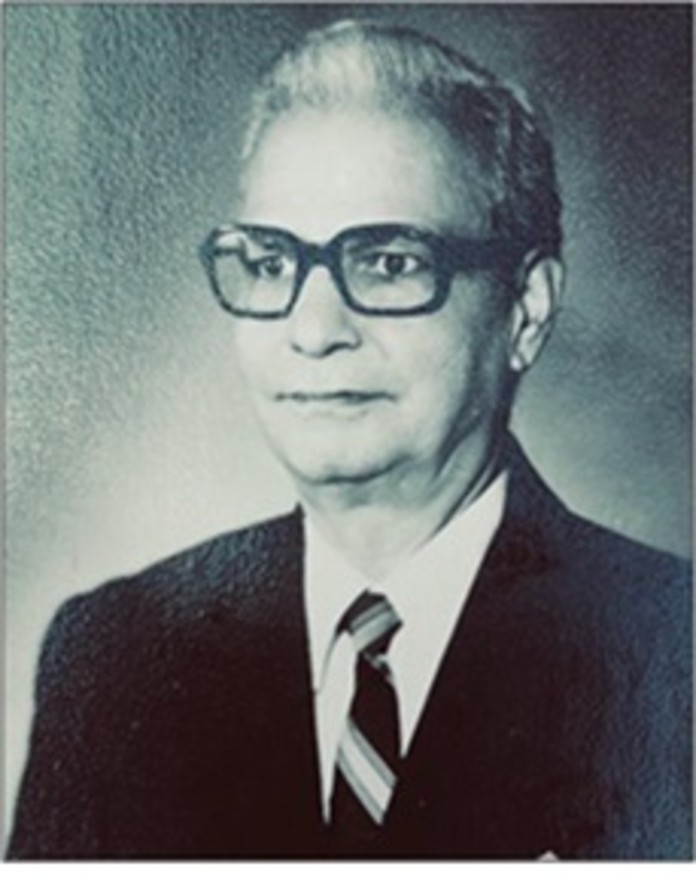
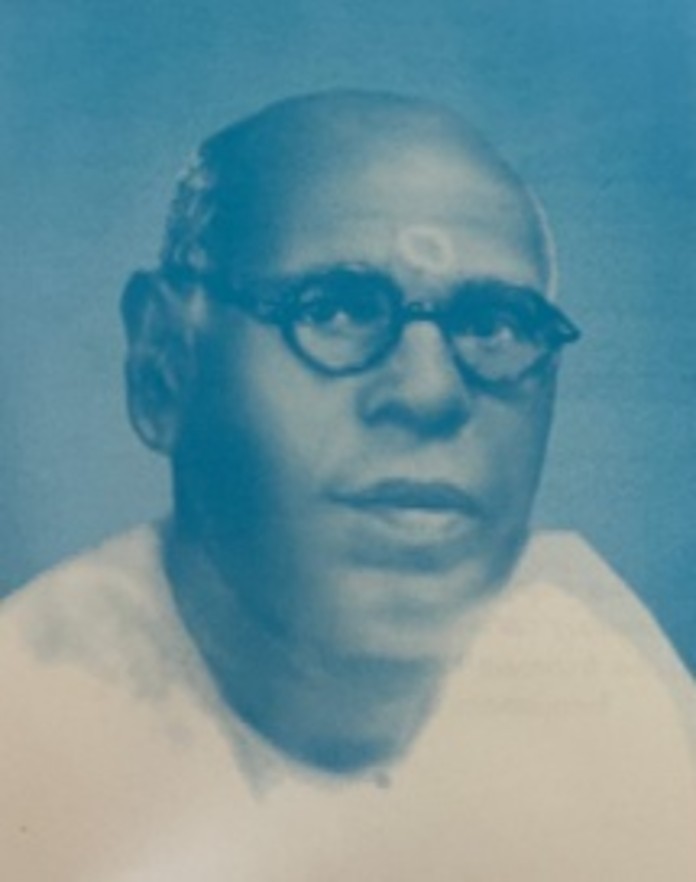
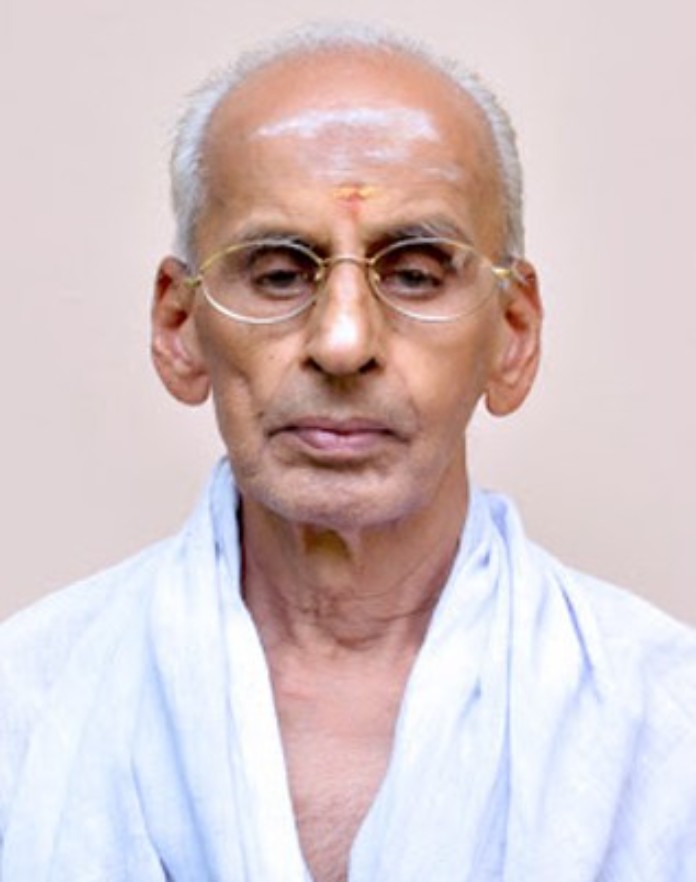
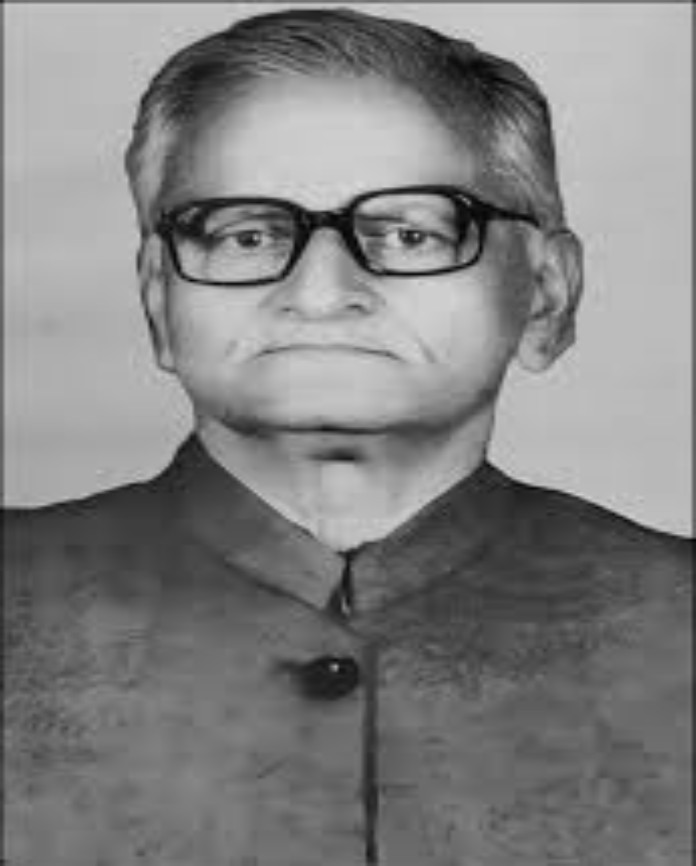
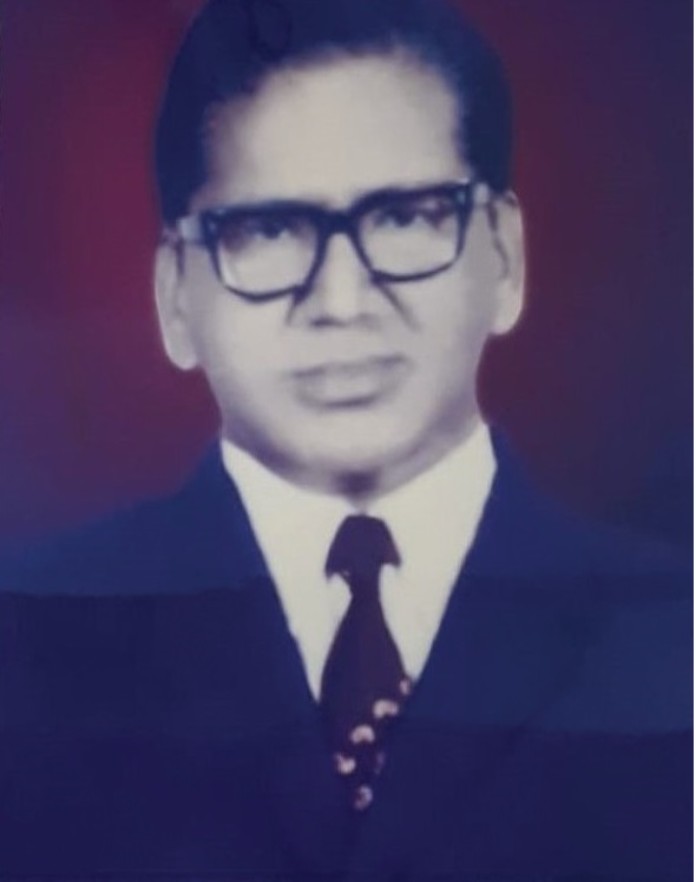
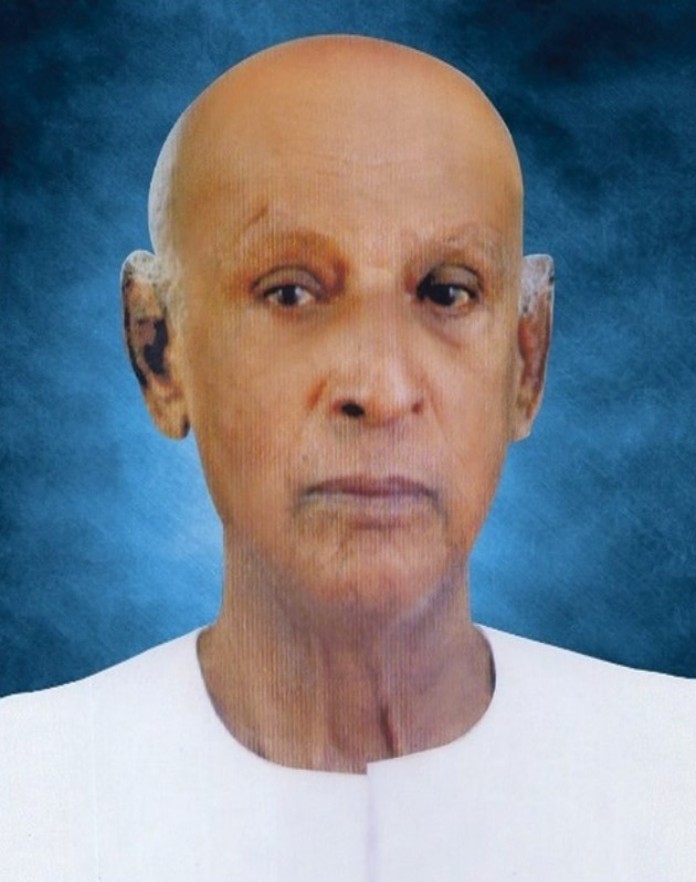
Chittattinkara N. Krishnapillai Vaidya
Date of Birth: March 23 1926
Place of Birth: Parbatipur, in the Biridi Tehsil of the Jagatsinghpur district in Odisha, India.
Early Life & Educational Qualifications:-
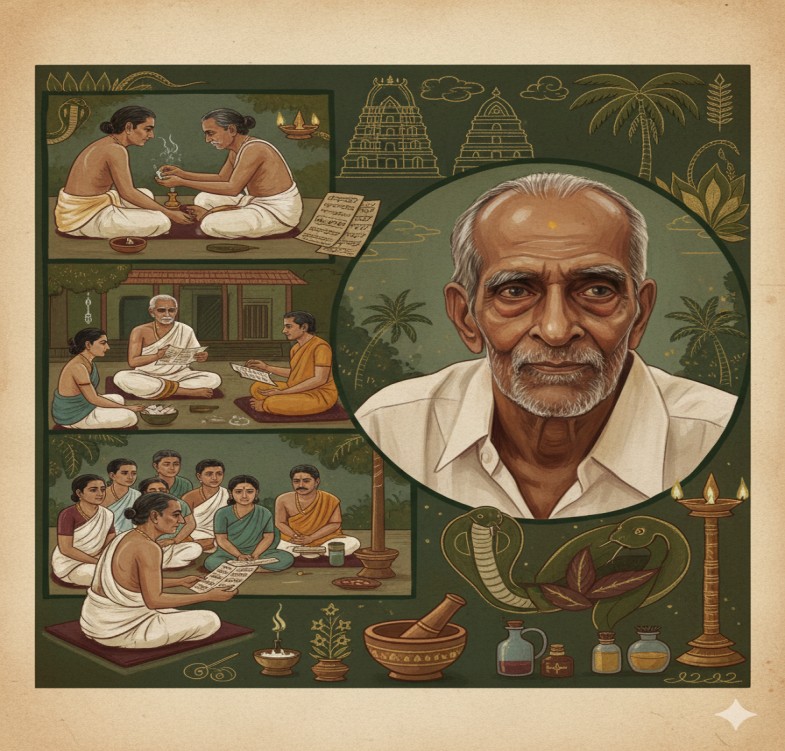
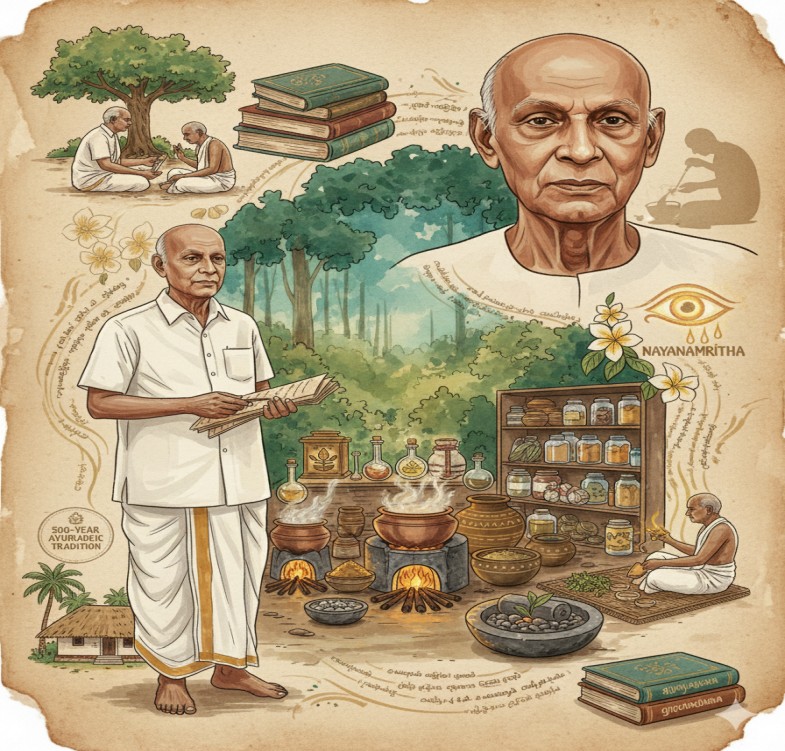
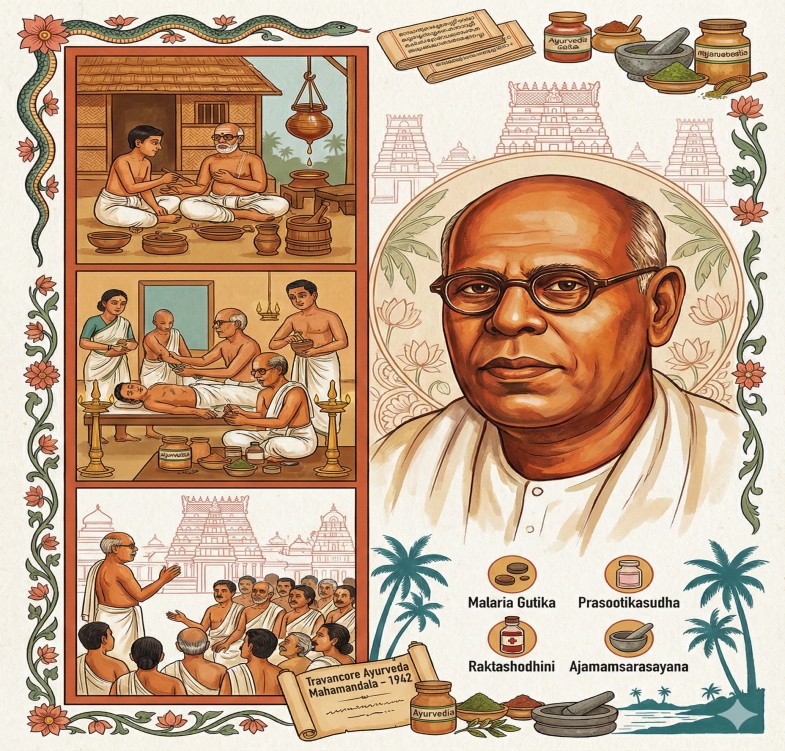
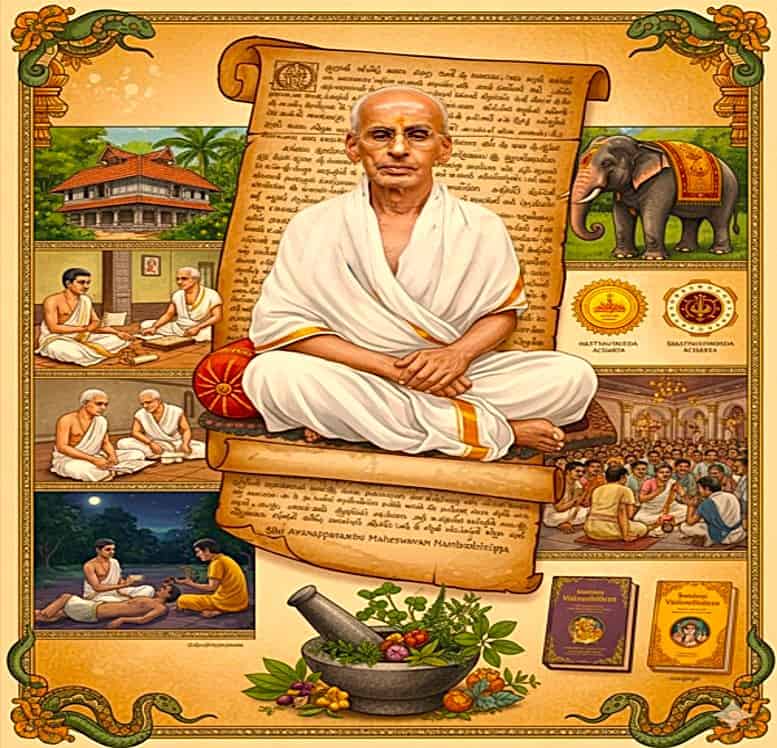
Just as refined creations are traditionally placed in the northeast corner of a Rasashala, a prodigy, Chittattinkara N. Krishnapillai Vaidya , was born in the northeastern part of Thiruvananthapuram Kerala, on 23rd of March, 1926, in the town of Vattiyoorkkavu, into a distinguished family with a 500-year legacy in Ayurvedic practice. His father, N. Narayana Pilla Vaidya, was a respected traditional healer.
From a young age, he began his journey in Ayurveda, immersing himself in the rich heritage of knowledge passed down through his family, showcasing a commitment to the traditions of his craft.
After completing his primary education, he pursued Sanskrit Shastri, an advanced course in classical Sanskrit, and then enrolled at the Government Ayurveda College in Thiruvananthapuram in 1947. There, he excelled and was awarded the title of ‘Vaidyakalanidhi’ (a connoisseur of Ayurveda), for his academic achievements in Ayurveda, marking him as a gold medalist.
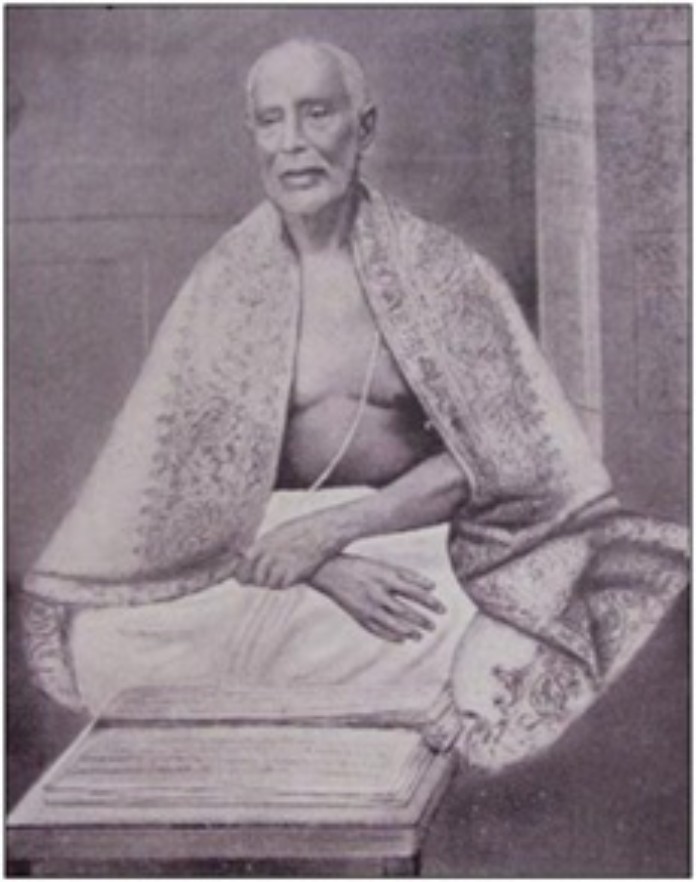
He learned under esteemed mentors, including Kalady Parameshwaran Pillai, his first guru, and a Siddha teacher from Tamil Nadu who introduced him to Rasa Shastra, the ancient alchemical branch of Ayurveda, enhancing his expertise in preparing specialized medicinal formulations.
Family Legacy in Ayurveda:-
Chittattinkara N. Krishnapillai Vaidya came from a distinguished family with a 500-year history in Ayurvedic practice. His father, N. Narayana Pilla Vaidya, was a respected traditional practitioner who operated the Narayanavilasam Ayurveda Vaidyashala in Maruthamkuzhy, Thiruvananthapuram.
As a young boy, Chittattinkara was deeply influenced by his father’s practice and began participating in the preparation and testing of various Ayurvedic formulations. This early involvement in Ayurvedic medicine laid the foundation for his skills in pulse diagnosis (Nadipareeksha) and his remarkable ability to assess medicinal consistency, which became integral to his expertise.
Professional Journey and Unique Approach:-
Chittattinkara started his professional practice in 1948, dedicating himself to the field for more than six decades. Over his lengthy career, he gained a reputation for his meticulous approach to Ayurvedic medicine. He emphasized the importance of ‘Paaka’—ensuring the right consistency in medicinal formulations—and was known for his strict adherence to quality standards. He personally traveled across states to source genuine medicinal ingredients, sometimes going as far as Tamil Nadu to procure unique components like a particular breed of goat needed for ‘Rasa Thaila’ preparation.
In his pharmacy, Chittattinkara supervised the entire process, employing traditional methods like Puta (a specific heat application method) to create medicines such as Kashaya (decoctions), Thaila (medicated oils), and Arishta (herbal wines). His commitment to authenticity extended to gathering herbs directly from natural sources, such as the forests of Kottur, which he used to tailor treatments based on each patient’s body constitution (Prakriti).
Expertise in Shalakya Tantra (Ophthalmology):-
With a keen eye for authentic Ayurveda, as an addition to his general Ayurvedic practice, Chittattinkara was a specialized ‘Netravisharada,’ or expert in treating eye disorders. His knowledge in Shalakya Tantra (Ayurvedic ophthalmology) allowed him to offer effective treatments for conditions such as glaucoma and blockages in the lachrymal apparatus.
In a period when Ayurvedic eye care was less popular, he earned trust by performing minor surgeries like Lekhana (scraping) and Bhedana (incision). He even created a unique medicinal preparation called ‘Nayanamritha,’ a specialized eye treatment that he claimed could benefit a wide range of eye disorders.
He encouraged patients to use simple home remedies for eye ailments, such as using fresh juice from Nandyaavarta flowers for conditions like conjunctivitis, eye irritation, and redness. His practical, nature-based approach helped many patients who were initially reluctant to try Ayurvedic eye treatments.
Contribution to Rasa Shastra (Alchemy):-
Chittattinkara had a profound interest in Rasa Shastra, the branch of Ayurveda focused on mineral and metallic medicines. He believed that Rasa medicine was akin to nuclear medicine in its potency and potential. During his career, he established a laboratory equipped for the complex preparations required in Rasa Shastra, including Puta pits for controlled heating. He created intricate formulations like Navapashanakettu (used for emergencies such as measles and malaria), Swarna Bhasma (gold ash), and Abhra Bhasma (processed mica ash), which were used in treatments for severe conditions like HIV, cancer, and fibromyalgia.
His confidence in Rasa medicines led him to explore various formulations, each specifically tailored to treat challenging ailments. For example, Annabhedi Sindoora, an effective antipyretic (fever reducer), and Shankha Bhasma, used for heart diseases, were notable achievements of his practice.
Literary Works:-
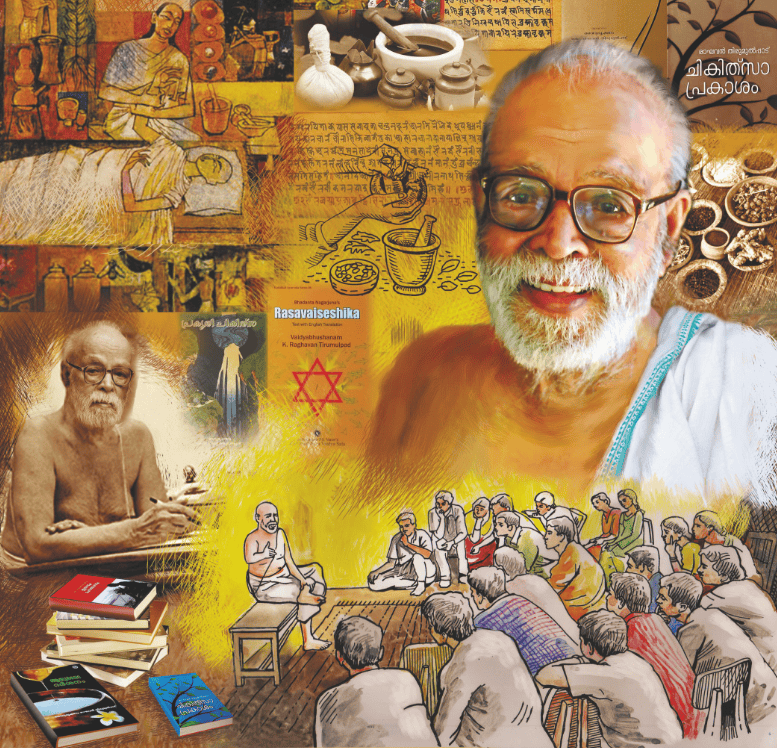
Apart from his clinical contributions, Chittattinkara N. Krishnapillai Vaidya was an author who aimed to spread Ayurvedic knowledge to a broader audience.
He authored the Malayalam book ‘Ningalilekmadanguka Ayurveda the Ariyuka’ in 1999, which aimed to familiarize the general public with Ayurveda’s principles and practices. In 2007, he published ‘Guruvandhanam,’ a work reflecting his respect for his teachers and his dedication to Ayurvedic science.
Through his writings, Chittattinkara not only preserved Ayurvedic traditions but also inspired future generations to explore and embrace holistic healthcare.