
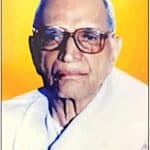
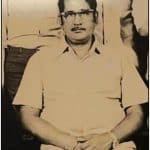
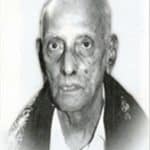
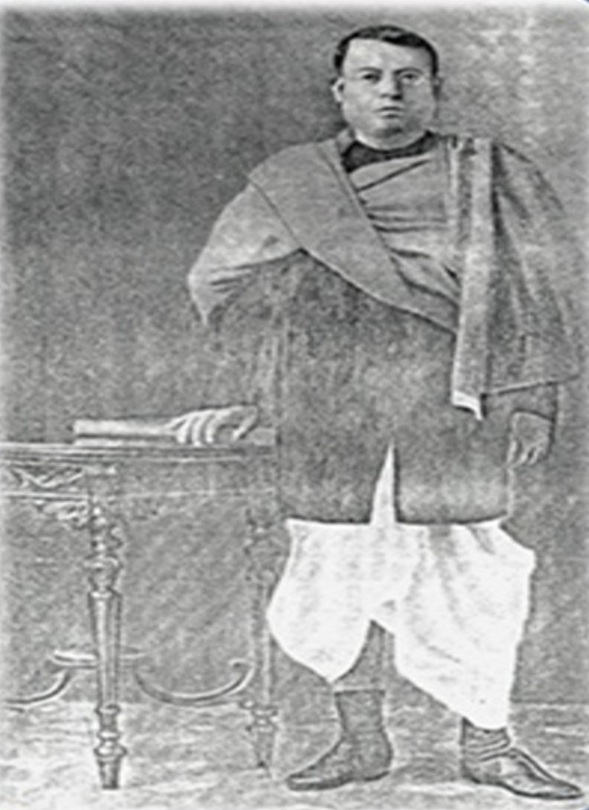
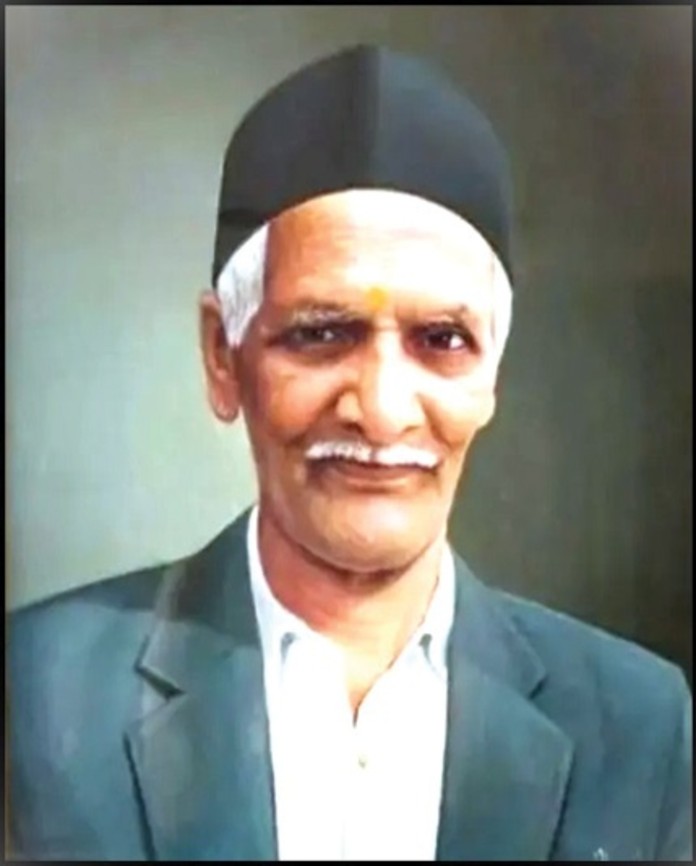
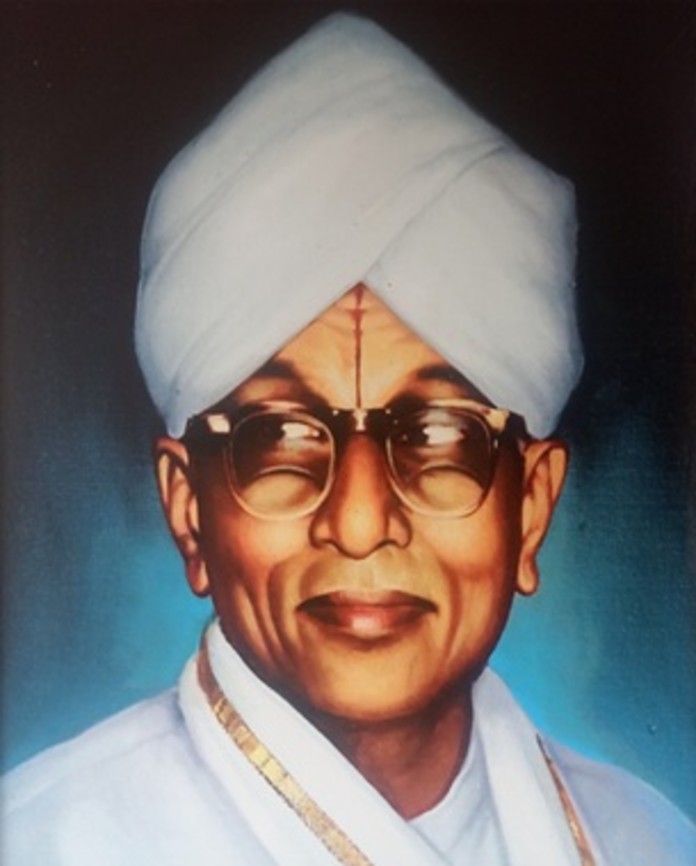
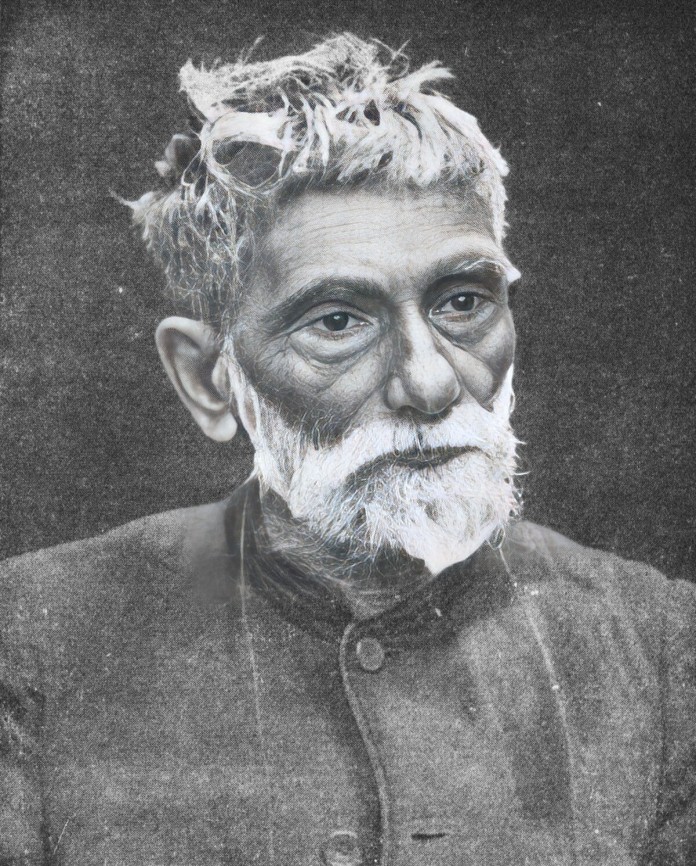
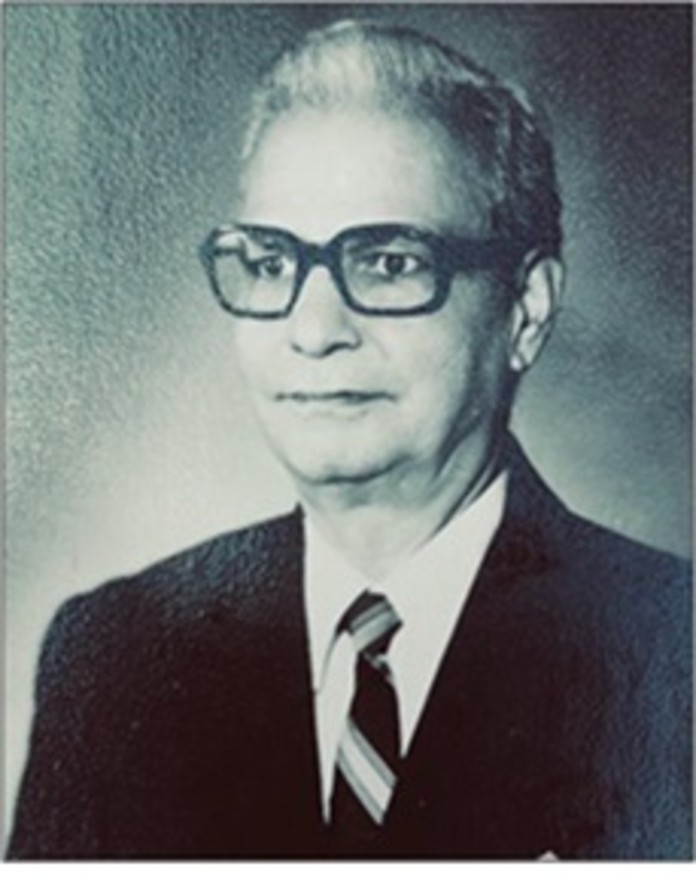
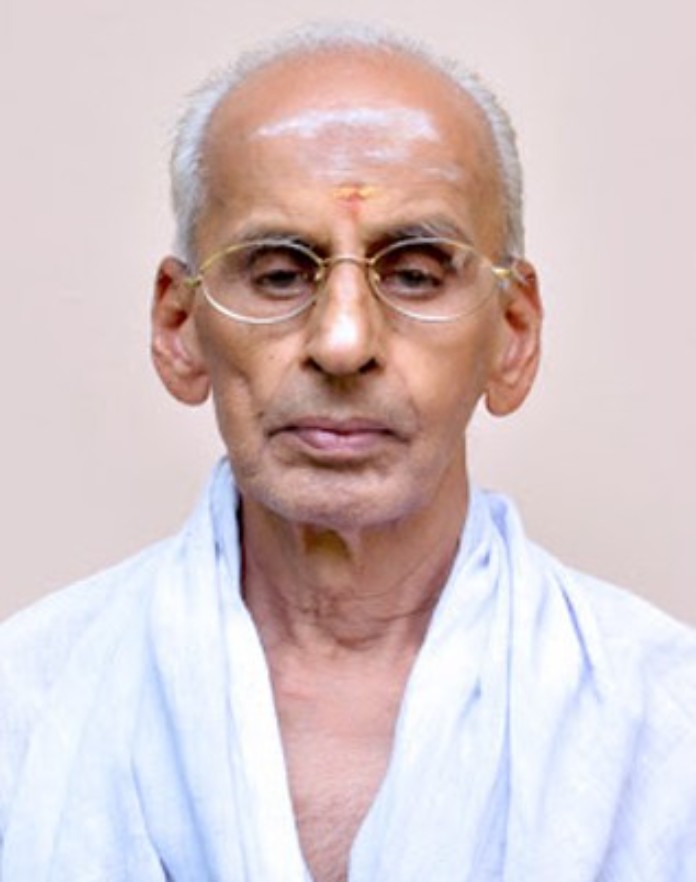
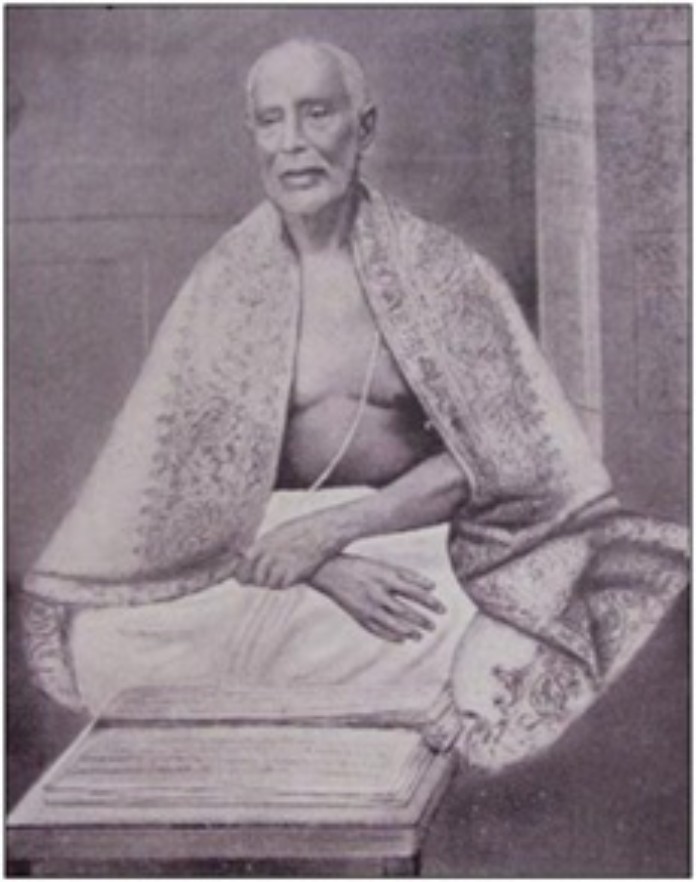
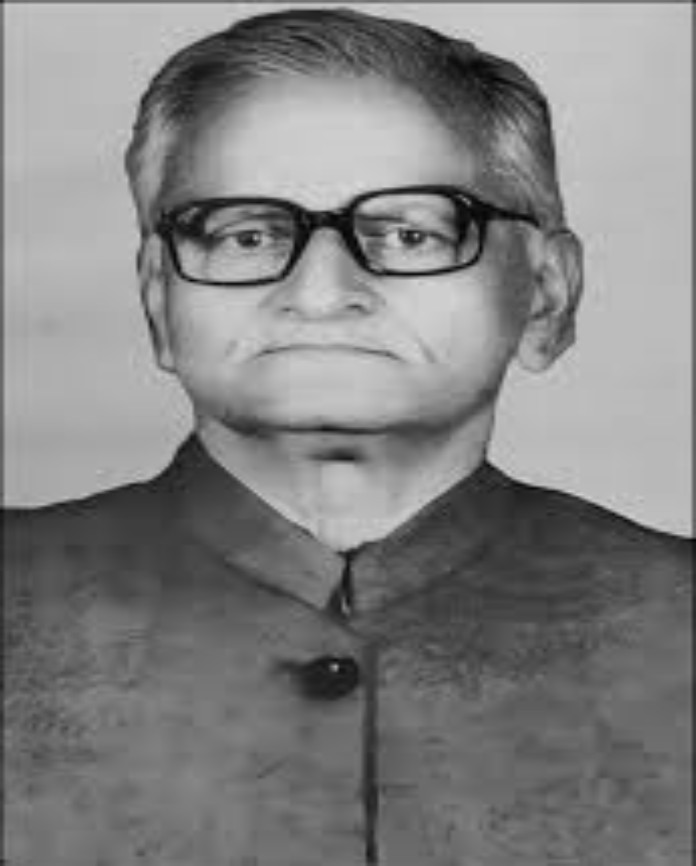
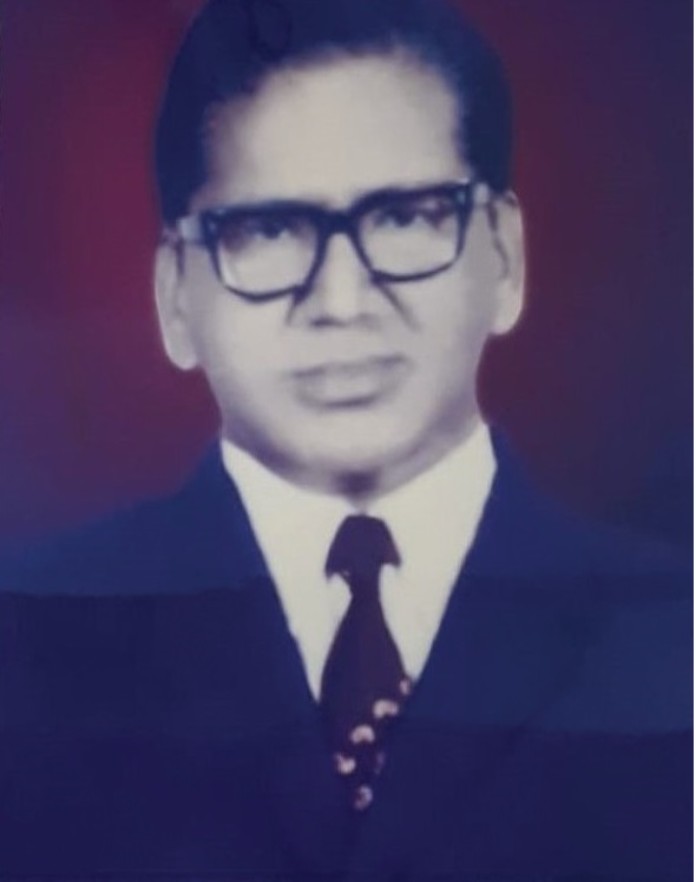
Kaviraj Gananath Sen
Date of Birth:- 1877
Place of Birth:- Varanasi, Uttar Pradesh
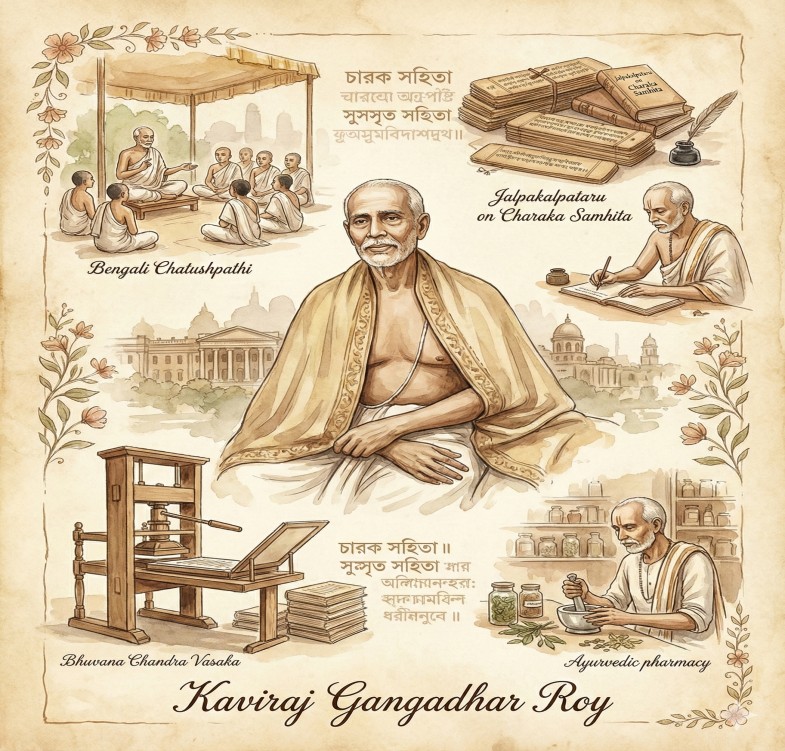
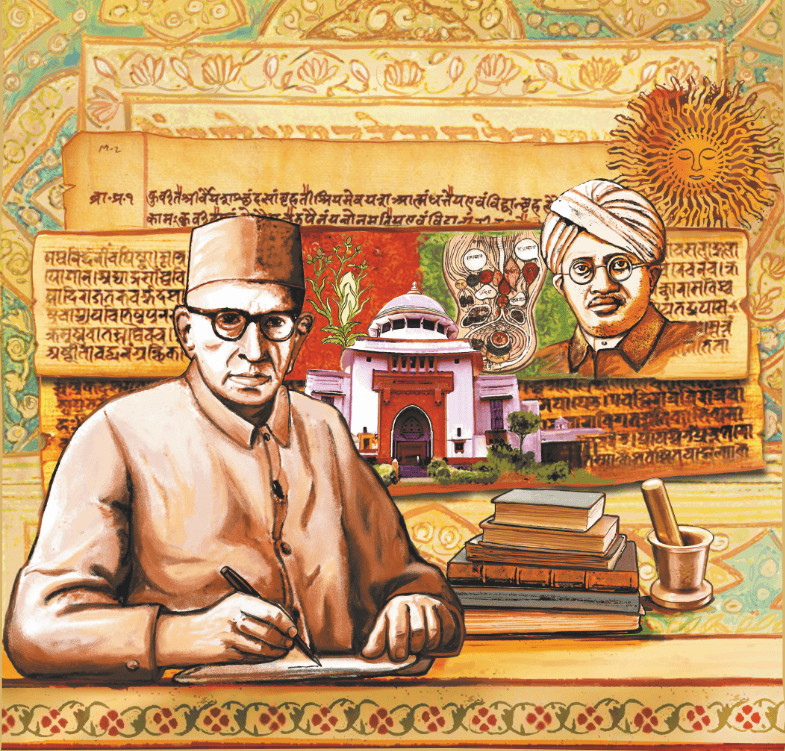
Details of family:- Kaviraj Gananath Sen, a skilled physician and conversant scholar, disciple of Kaviraj Gangadhar Roy. Kaviraj Sushil Kumar Sen, the talented son of Mahamahopadhyaya Gananath Sen, held advanced degrees in both Western science and Ayurvedic medicine. His qualifications Ayurveda positioned him well to continue and expand upon his father’s legacy.
Educational Qualifications:-
During his childhood, he devoted himself to studying Sanskrit literature and became highly proficient in it. He enrolled in Calcutta Medical School in 1898, and because of his insatiable curiosity, he earned his LMS degree by the end of 1903. In addition, he graduated with a Master of Arts (MA) in Sanskrit from Calcutta University in 1907. He trained under the famous Ayurvedic scholar Acharya Kaliprasanna Sen, and at the age of 20 years, he became a skilled physician. In addition, he was trained in Ayurveda under Kaviraja Jaynarayan Gupta and later, founded his Ayurvedic dispensary in Sutanuti, Calcutta.
Professional Trajector:-
Viswanath Ayurvedic Mahavidyalaya and Hospital:- On July 10, 1932, Kaviraj Gananath Sen founded the ‘Viswanath Ayurvedic Mahavidyalaya and Hospital’ in Calcutta (now Kolkata) in memory of his father. Aimed at preserving Ayurvedic knowledge, the institution offered rigorous studies of classical texts, traditional treatments, and herbal and mineral medicines. It included a hospital for student training and patient care. The college was inaugurated by Nobel Laureate Sir C. V. Raman, and Lady R. N. Mukherji inaugurated the outdoor hospital. The indoor department opened on June 3, 1933, by Srijut Santosh Kumar Basu, and the hospital initially had 50 beds. Facing criticism about his knowledge, Sen authored ‘Pratyaksa Sareera Parishista’ and ‘Sanjna Panchaka Vimarsa’ in Sanskrit and English, proving his expertise in Ayurveda and Allopathy. His book ‘Siddantha Nidana’ included modern diseases like pneumonia and kala-azar, making it a valuable textbook. He also contributed to the ‘Cultural Heritage of India’, published by the Ramakrishna Mission, with a monograph on the ‘History of Ayurveda’.
Kalpataru Ayurvedic works:- In 1914, Mahamahopadhyaya Gananath Sen founded Kalpataru Ayurvedic Works under the name “S. K. Sen & Co.” on Chitpore Road in northern Calcutta with an initial capital of ₹25,000, to produce affordable Ayurvedic medicines. The company expanded over seven years, moving in 1921 to a larger building at 94 Grey Street, as its capital grew fourfold to ₹1 lakh. In 1925, management was passed to his son, Kaviraj Sushil Kumar Sen, MSc, who led a period of growth. By 1927, the head office moved to the Kalpataru Palace on Chittaranjan Avenue, built for ₹3 lakhs. A new factory with state-of-the-art equipment was then set up in Belgharia with over ₹2 lakhs invested across 32 bighas of land.
Awards, honors, and felicitations:- Kaviraj Gananath Sen was highly respected in the field of Ayurveda and was invited to preside over many prestigious conferences and institutions. He served as the President of the annual conferences of Akhila Bharata Varshiya Ayurveda Mahasammelan held at Allahabad in 1911, Indore in 1920, and Mysore in 1931, respectively. His contributions as a scholar and practitioner of Ayurveda made him a natural choice for these important leadership positions. In addition to these roles, he was also the President of Nikhila Bharata Ayurveda Vidyapeeth for many years. This institution played a vital role in the promotion and propagation of Ayurveda in India. He was also invited to preside over the “Tridoshasambhasha parishad” held in 1935 at BHU, where he shared his vast knowledge and expertise with other scholars and practitioners. In recognition of his work, the Government of India conferred him with the title of “Mahamahopadhyaya” in 1916. This prestigious title is a testimony to his scholarship and expertise in Sanskrit literature. In addition to this, he was awarded several other titles by various prestigious organizations of Sanskrit and Ayurveda, such as “Saraswati,” “Vidyasagara,” “Pranacarya,” “Vaidya Ratna,” and “Ayurveda Vachaspathi.” These titles serve as a testament to his immense contributions to the Ayurveda field and his unparalleled knowledge of ancient texts and practices. His pioneering work bridging the gap between traditional Ayurvedic practices and modern medical knowledge has impacted the field. He passed away in 1945.
Publications:- Siddhanta Nidana, published in two parts (1926 and 1931), is a foundational Ayurvedic text by Kaviraj Gananath Sen. It addresses disease causes, symptoms, and diagnoses, merging traditional Ayurvedic concepts (Vata, Pitta, and Kapha) with modern biology. This work uniquely includes details on diseases not traditionally covered in Ayurvedic literature, like plague and typhoid, with diagrams and clinical illustrations, making it a valuable reference for practitioners and a longstanding textbook in Ayurveda education. Pratyaksha Sharira is an authoritative work on human anatomy in Sanskrit, bridging a two-millennium gap in Ayurvedic anatomy literature. Divided into three volumes, it presents detailed anatomical descriptions with illustrations, using classical Ayurvedic terms. Praised internationally, it has been recommended as a textbook since 1913 and adopted widely in Ayurvedic institutions across India. The text also includes introductions that explore the history of Ayurveda and anatomy, enriching its value for students and scholars alike.