
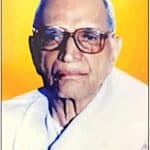
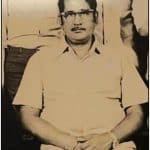
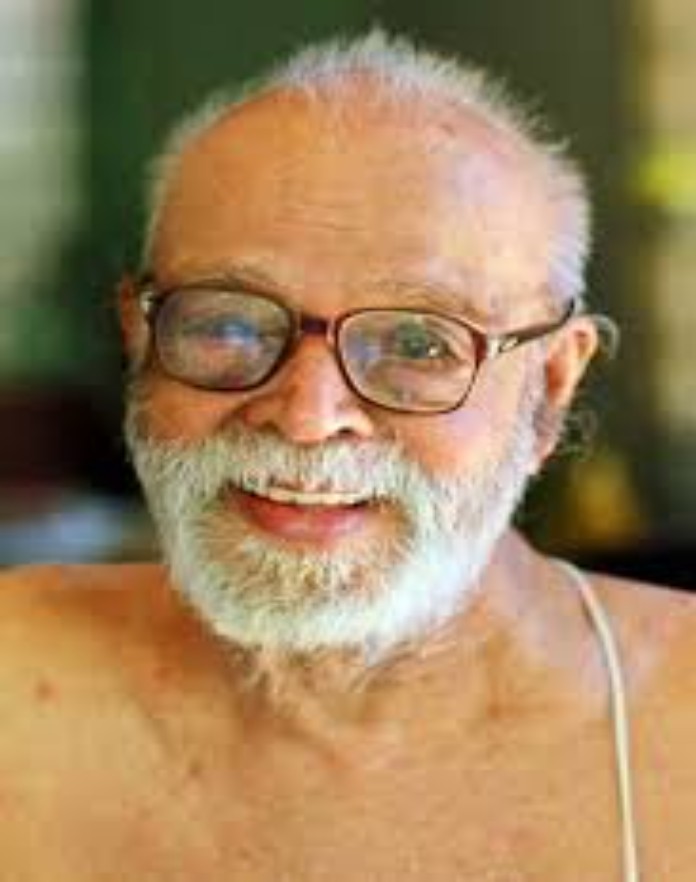
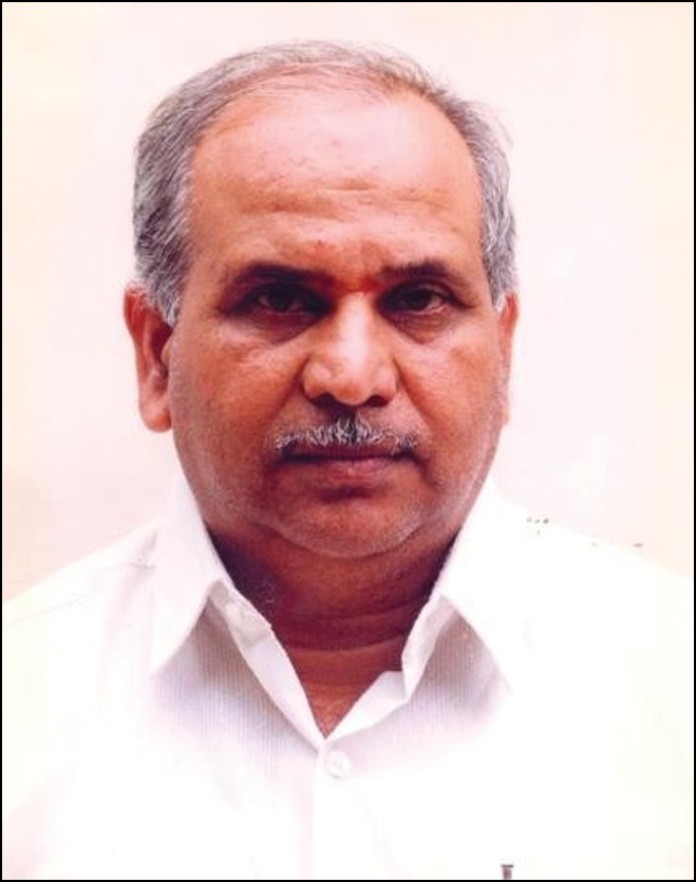
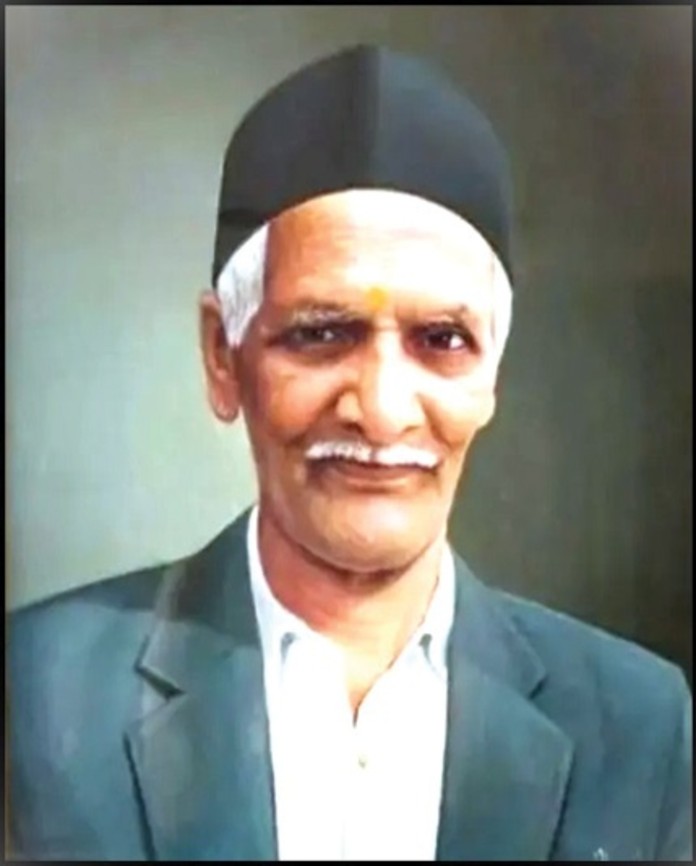
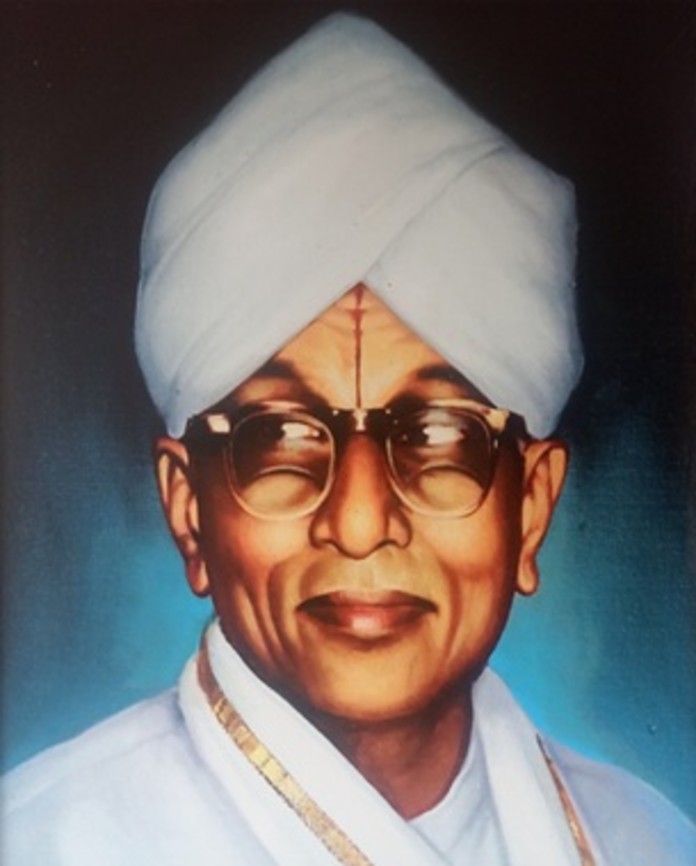
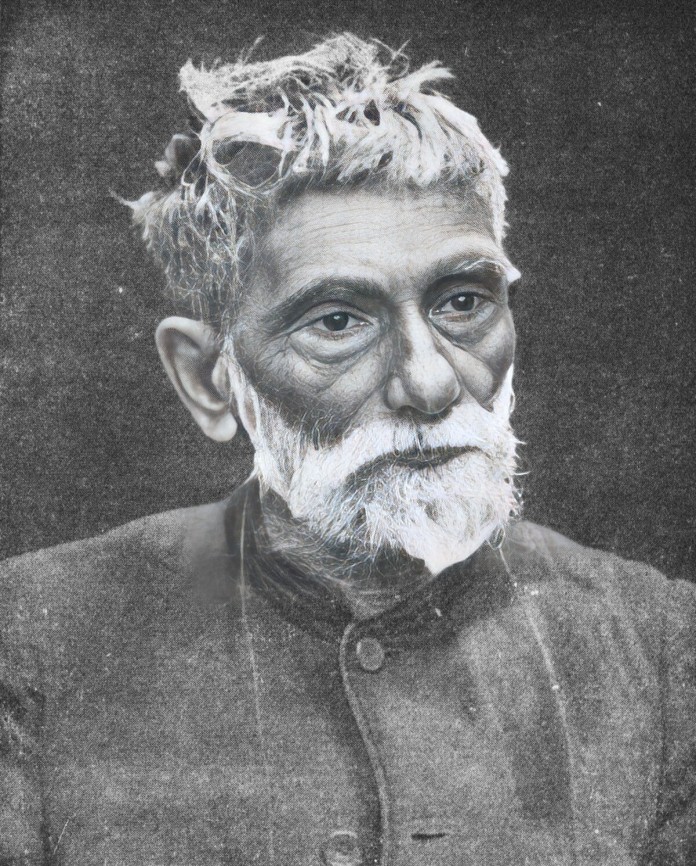
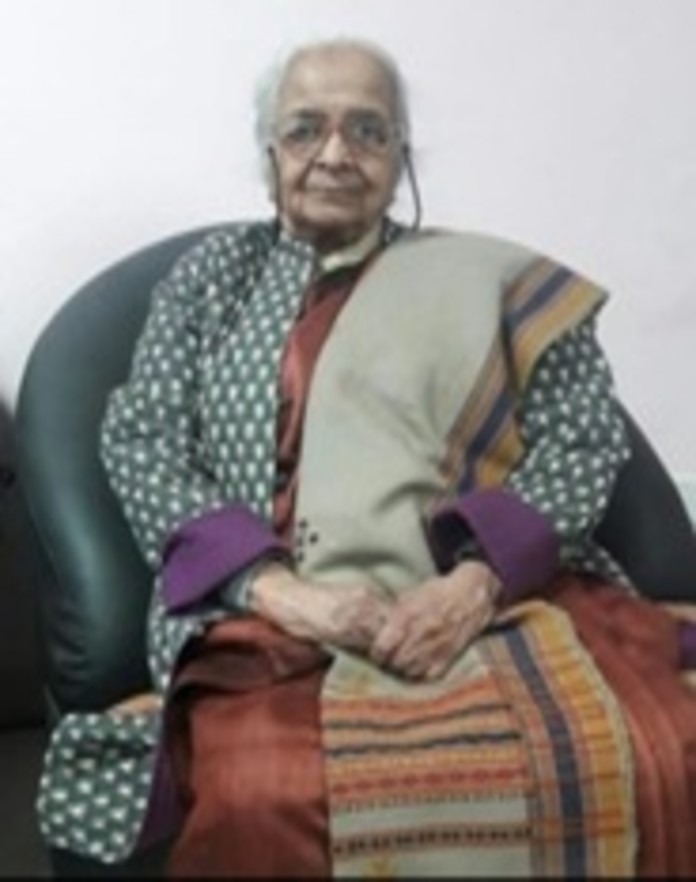
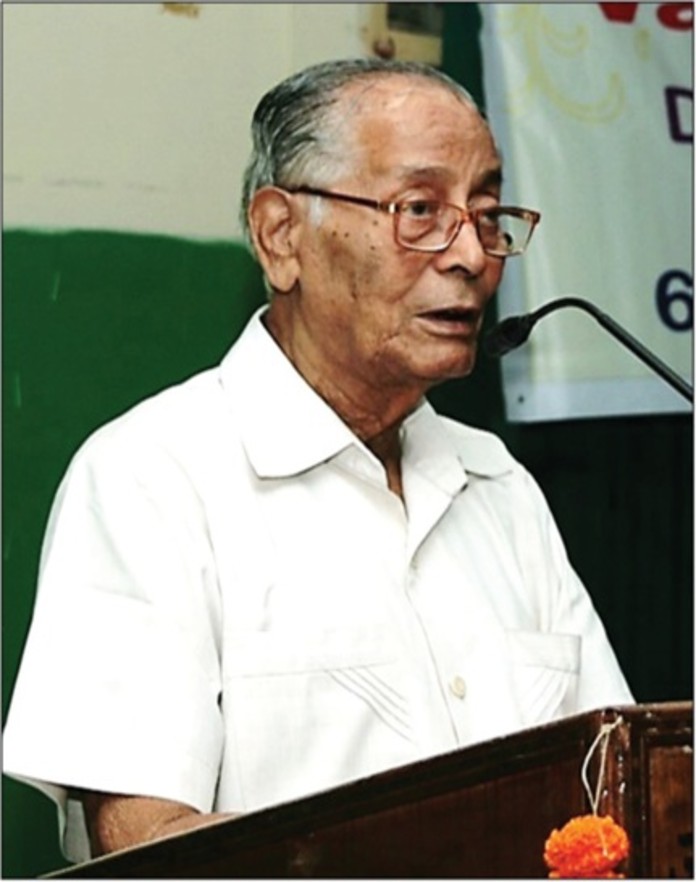
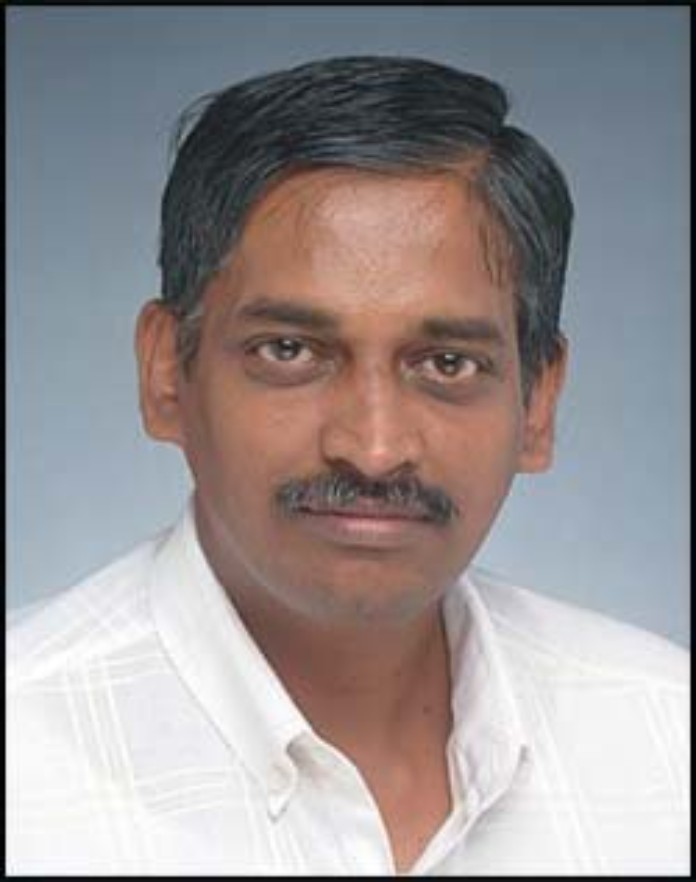
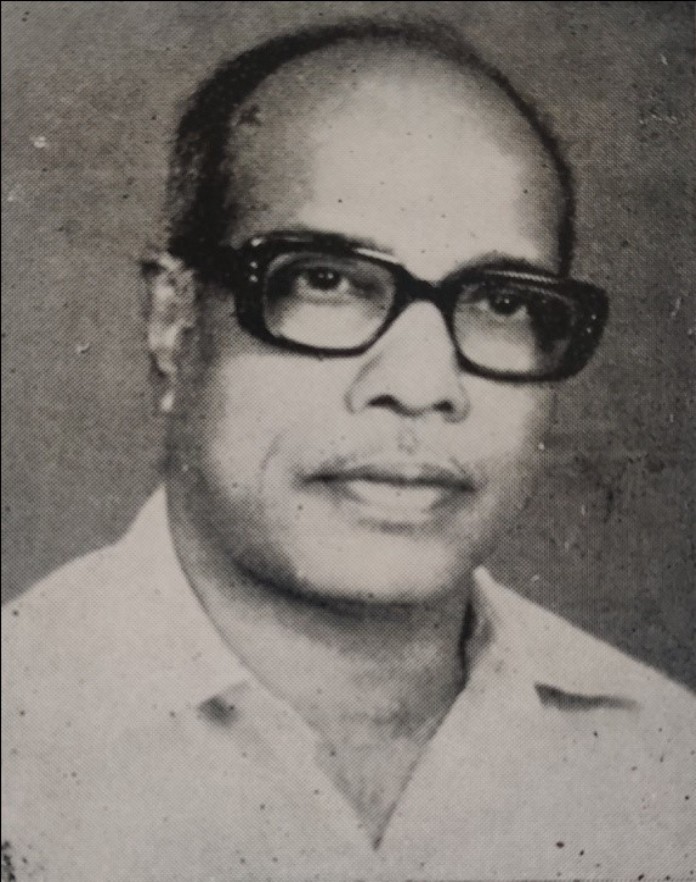
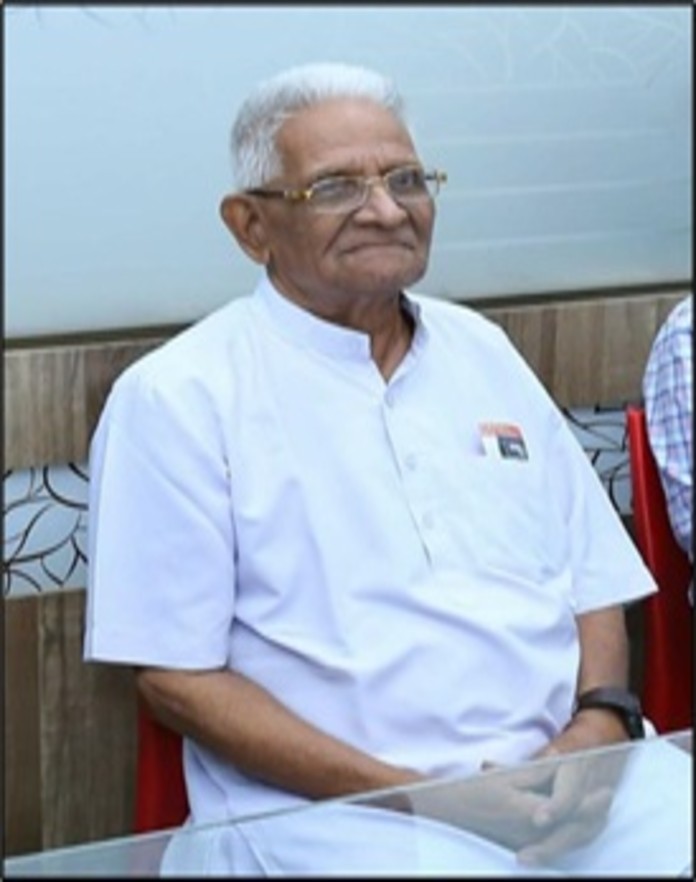
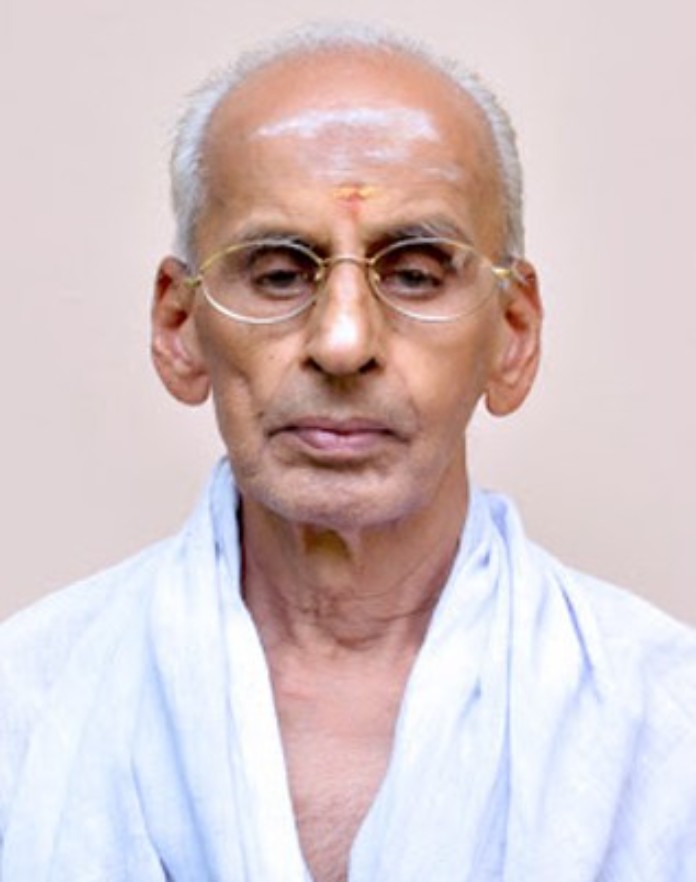
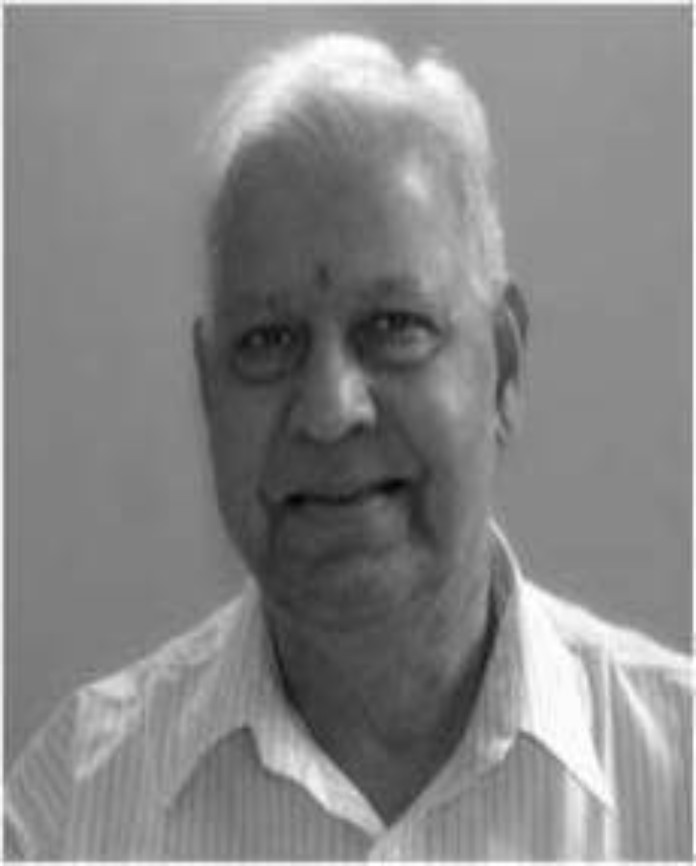
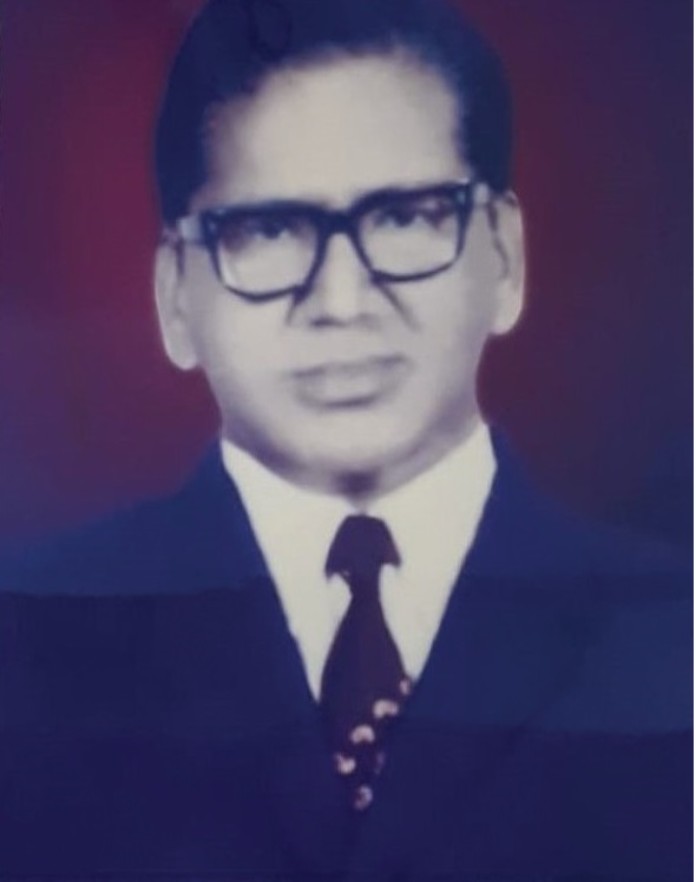
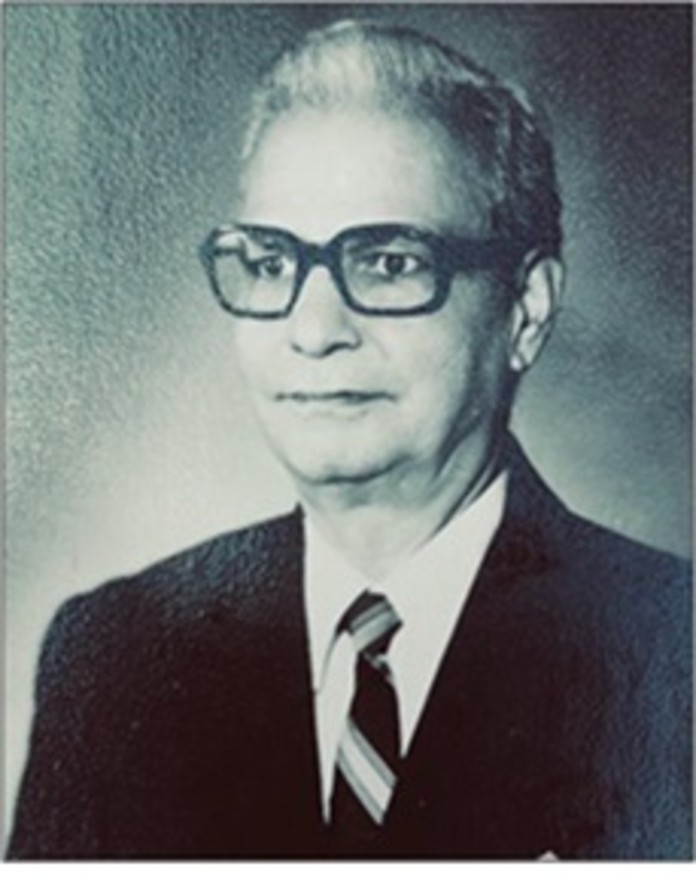
Prof. Damodar Joshi
Date of Birth:- 11th April , 1931.
Place of Birth:- Banda, Uttar Pradesh, India.
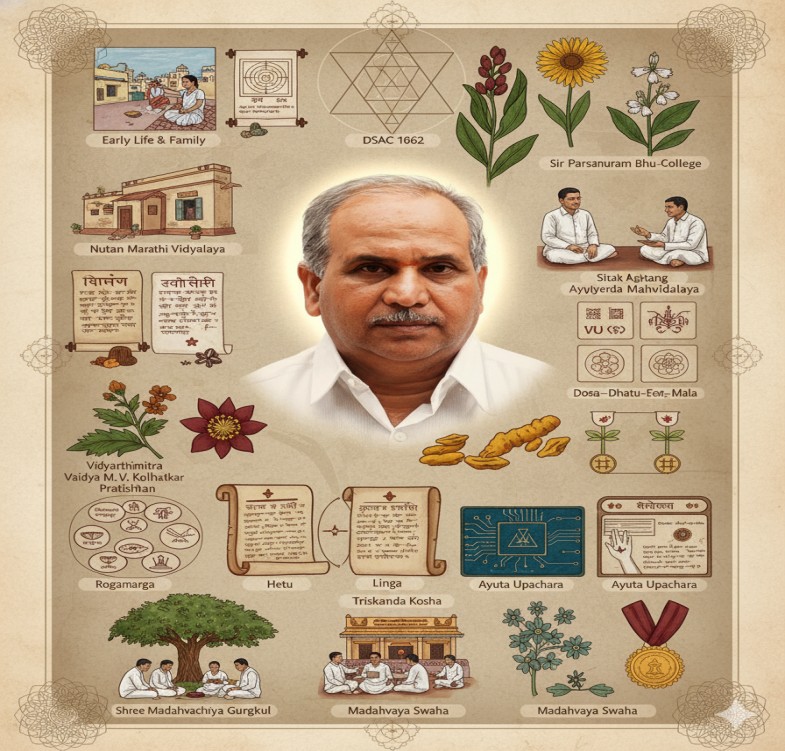
Details of family:- Born in the family of Shri Badrinarayan Joshi and Shrimati Shugni Devi on April 11, 1931, in Beawar district, Ajmer, Rajasthan, Prof. Damodar Joshi moved to Govardhan (now Mathura) during his childhood. His father worked as an agricultural superintendent, and his mother handled the household chores. He received his initial education at Sanskrit Vidhyalaya in Govardhan and completed his studies in Sanskrit in 1946. Later, in 1951, Prof. Damodar Joshi completed his high school education at Sanskrit College, Bengali Tola, Varanasi.
Educational Qualifications:-
He received his initial education at Sanskrit Vidhyalaya in Govardhan and completed his studies in Sanskrit in 1946. Later, in 1951, Prof. Damodar Joshi completed his high school education at Sanskrit College, Bengali Tola, Varanasi.
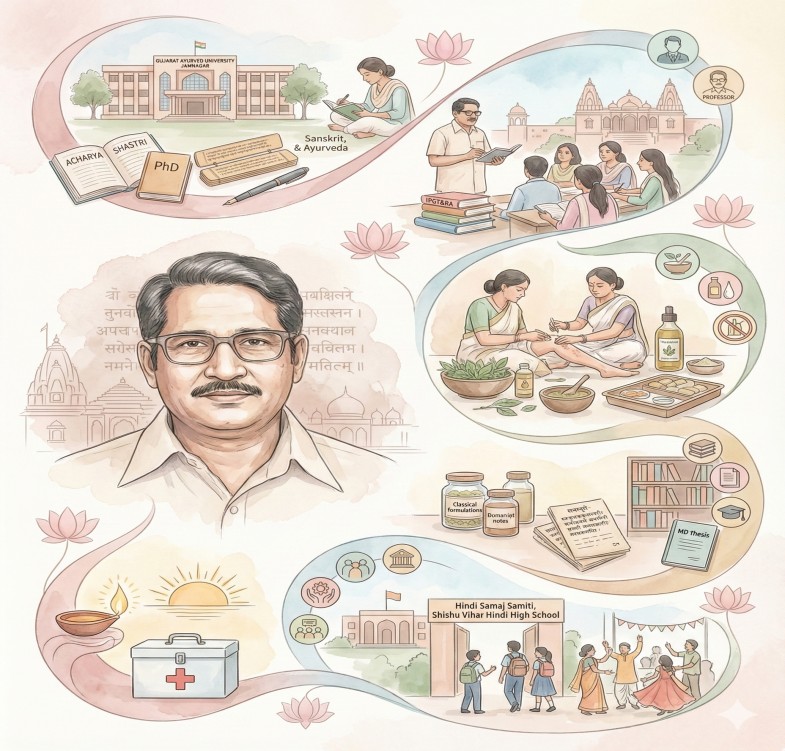
Prof. Damodar Joshi earned the prestigious AMS (Ayurvedacharya) degree with first-division honors from the Faculty of Ayurveda and Hospital, BHU in 1953. His exceptional performance in Charaka Samhita secured him the Gold Medal. Furthering his academic prowess, he attained a higher Proficiency in Ayurveda degree (equivalent to a master’s degree in Ayurveda as per present norms of NCISM) from GAU in 1959. Subsequently, in 1973, he was awarded a PhD degree in “Dravyaguna and Rasa Shastra” from the Faculty of Ayurveda, BHU.
Professional Trajectory:-
During his 51-year career, Prof. Damodar Joshi dedicated his expertise to teaching, guiding research scholars, and administrative roles. Prof. Damodar Joshi first joined as a pharmacy superintendent at GAU in 1959. As a pharmacy superintendent, he mainly contributed to drug preparation, standardization, and quality control of Ayurvedic medicines for nearly 11 years.
In 1973, Prof. Damodar Joshi joined as a lecturer at BHU. During his 22-year tenure at BHU, he dedicated himself to teaching and overseeing research at MD (Ayurveda) and PhD levels. He served as the Head and Professor for 12 years in the Department of Rasa Shastra and held the position of pharmacy superintendent in the same institute. He also served as the acting head of the department for the 3-year duration from 1975 to 1978 at Government Ayurveda Medical College and Hospital, Thiruvananthapuram, whereas he was continuing his tenure at BHU as a professor in the Department of Rasa Shastra. Throughout his tenure at BHU, he has supervised 7 PhD scholars and 18 MD (Ayurveda) scholars. His committed efforts and innovative ideas greatly benefitted the scholars within his department. To acquire newer knowledge and techniques for Ayurvedic medicine, he organized educational tours to around ten eminent Ayurvedic pharmacies, providing scholars with valuable learning experiences.
Prof. Damodar Joshi has also collaborated with the Indian National Science Academy, Delhi, on two projects focusing on critical analysis, English translation, and comprehensive review of Rasaprakash Sudhakara and Rasa Ratna Sammuchhaya.
While at BHU, he held the position of member of the governing committee for GAU for 3 years. Additionally, he served as a member of the Finance Committee and Governing Committee for the post-graduation center at the National Institute of Ayurveda for another 3 years. Having completed 22 years of dedicated service as Head and Professor in the Rasa Shastra and Bhaishajya Kalpana Department at BHU, he retired on June 30, 1994.
Particularly, Prof. Joshi revolutionized the preparation of Ayurvedic medicine by introducing the innovative use of a muffle furnace in collaboration with Prof. Bhanu Prakash, Department of Metallurgy at BHU, for the meticulous preparation of various Bhasma/Kupipakwa Rasayana.
Significant Contributions :-
- Contribution of Rasa Ratna Sammuchchya with special reference to Loha Bhasma
The study revealed that Loha Bhasma is prepared by Trividha Loha Paka method from Tikshana Loha (stainless steel blades) and Kanta Loha (magnetite iron). A chemical study revealed the unprocessed and processed samples of Tikshana Loha contained Fe, Cr, Mn, Si, and carbon. In contrast, unprocessed and processed samples of Kanta Loha contained Fe, Ca, and carbon. On iron estimation, 42.56% Fe in processed Tikshana Loha, 51.54% Fe in Tikshana Loha Bhasma, and 40.30% Fe in processed Kanta Loha, whereas 58.8% Fe in Kanta Loha Bhasma were found present. In the spectral study, Si, Fe, Mn, Y, Sn, Al, Na, and Cu were present in unprocessed Tikshana Loha. Si, Fe, Ca, Sn (w), Mn, Y, Al, and Cu were present in processed Kanta Loha and Kanta Loha Bhasma.
2. Study on Swarnavanga Bhasma with special reference to its effect on the genitourinary system
:- The studies revealed that four contents (Vanga, Parad, Gandhaka, and Narasara) are essential for ideal Swarna Vanga preparation. The best ratio for these four contents is 2:1:1:1, consuming 7–8 h of heating in a vertical muffle furnace at 200°C–400°C (stepwise) with a gradual rise from room temperature. Swarna Vanga was found to be non-toxic to renal tissue in the therapeutic doses, has a positive effect on normal body weight gain, and has regenerative potential on cadmium-induced partial degeneration of testicular epithelium without any histopathological effect on other tissues of the genital tract.
3. Study on Satvapatana (with special reference to Abhraka and Makshika)
:- For Satvapatana use of reductants and flux one-fourth to mineral is essential. Determination of reducing temperature and time maximum temperature and time for smelting and separation of metal and slag in molten liquid is necessary for maximum metal recovery. To achieve maximum success in Satvapatana, thermogravimetric investigations of charge material pellets are essential. The processes described in Rasa texts are feasible and exact regarding the proportion of flux and reductants. The metals obtained through these processes are not pure metals but alloys. They contain many elements in micro concentrations, some of which may be vital from the therapeutic point of view (medicinal efficacy).
4. Study on the methods of enhancement of the efficacy of Asavaarishtas with special reference to Kutajarishta
The sample containing extra Kutaja alkaloid of Kutajarishta contained the highest inhibitory action on small intestine motility and gastric emptying in 24 h of fasted and fed albino rats. It showed maximum symptomatic improvement in Pravahika patients. Another sample, decoction processed thrice of Kutajarishta was found to be better standard (chemically). It showed almost equal effects on small intestine motility, gastric emptying, and symptomatic improvement. The efficacy of Kutajarishta may be improved considerably either by adding Kutaja alkaloids to Kutajarishta or by repeating the decoction process thrice before proceeding to fermentation.
After retiring, Prof. Damodar Joshi returned to his hometown in the Beawar district of Rajasthan for some time. Subsequently, he worked for some time at Maharshi Yogi Pharmacy in Badarpur, Delhi and the National Institute of Ayurveda. Beyond his teaching expertise, Prof. Damodar Joshi possessed significant skills in preparing Ayurvedic medicines. Acknowledging his proficiency, the Vice-Chancellor of GAU appointed Prof. Damodar Joshi as visiting professor from 1998 to 2004 at GAU, Jamnagar. Between 2000 and 2002, under the esteemed leadership of Vice-Chancellor Prof. P. N. V. Kurup at GAU, Professor Damodar Joshi dedicated his efforts to preparing a video as a digital project titled “Ashta Sanskara of Parada.” This initiative focused on meticulously documenting the procedural intricacies and practical applications of Parada Sanskara
Research Studies & Publication:-
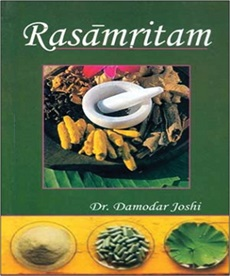
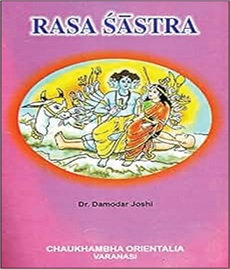
Apart from the numerous scientific papers, he has penned six books covering various concepts of Rasashastra and related subjects. English translation of “Rasamritam,” a book by Yadav Ji Trikam ji, and “A Textbook of Rasa Shastra” written in English with a correlation of Ayurvedic principles to contemporary pharmaceutical sciences are the noted works among them. His books are globally recognized and distributed, serving as valuable resources for comprehending Rasa Shastra.
English translation of Rasamritam by Prof. Damodar Joshi
English textbook of Rasa Shastra by Prof. Damodar Joshi as per BAMS curriculum
Awards & Accolades:- Prof. Damodar Joshi was named Rashtriya Guru by RAV to appreciate his pioneering contribution to Rasa Shastra. His expertise led to frequent invitations to deliver guest lectures, conduct seminars, and participate in conferences and examinations. He was awarded a Gold Medal by the Academy of Ayurveda, Vijayawada, for his exceptional publication of the article titled “Use of Mercury in Indian Medicine.” This article led to the publication of a monograph on Mercury in 1979. During this period, he was also featured on the “Bharat ek Khoj,” a serial on the Doordarshan channel that narrates the 5000-year history of India, for his significant contributions to Rasa Shastra and Ayurveda. In 1984, he delivered a speech on the “Importance of Ashtasamskara of Mercury” at an International seminar at the Japan Ayurvedic Centre in Oklahoma, Japan.
In 2002, Banaras Hindu University organized a Special Teacher Investiture Ceremony on Teachers’ Day to honor retired faculty members for their exceptional educational contributions. During this ceremony, Prof. Damodar Joshi was awarded by the Vice-Chancellor of B.H.U. Later, in 2005, Prof. Damodar Joshi received recognition from Pratibha Devisingh Patil, the then Governor of Rajasthan, at the Rajasthan Chapter All India Ayurveda Congress Session. In 2005, he was also honored at the Heeraka Jayanti Samaroha (Diamond Jubilee Ceremony) by the Managing Committee of Krishna Gopal Ayurveda Bhavan, Kaleda, Ajmer.
In 2009, during the centenary celebration of the All India Ayurvedic Congress, Prof. Damodar Joshi was honored by the Honorable President of India, Pratibha Devisingh Patil, for his unwavering commitment and significant contributions to Ayurveda. In 2011, on the 150th birth anniversary of Pandit Madan Mohan Malviya, an international conference was organized at BHU, where Prof. Damodar Joshi was honored with the Distinctive Teacher Award. These numerous honors and awards, even after his retirement, exemplify his excellence, dedication, and tireless efforts toward the advancement of Ayurveda.
The scientific narrative delineated herein encapsulates the life journey and principal accomplishments of Prof. Damodar Joshi. The constraints imposed by the scientific and technical context of present study preclude a comprehensive portrayal of his profound impact on our intellectual landscape and his role in shaping it. Prof. Damodar Joshi not only unveiled the intricacies of gear science to a diverse audience spanning different nations, generations, and fields of endeavor, but he actively contributed to constructing this realm, collaborating with numerous other eminent individuals. Renowned for his brilliance as an educator, Prof. Damodar Joshi’s lectures were distinctive and unparalleled. His generosity in imparting knowledge to students and his adeptness in structuring and articulating the essence of scientific endeavors rendered invaluable assistance and support to countless scholars.