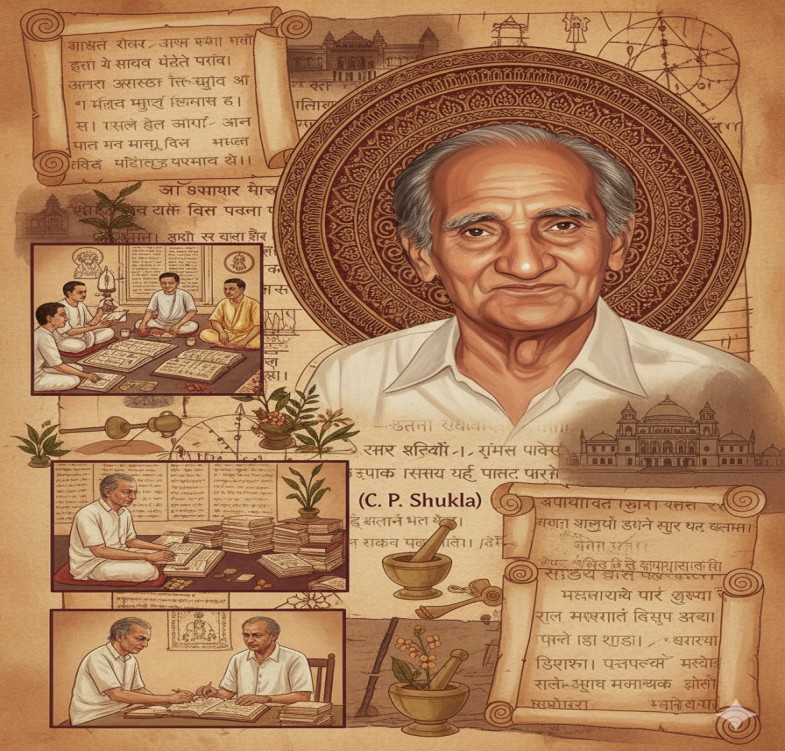
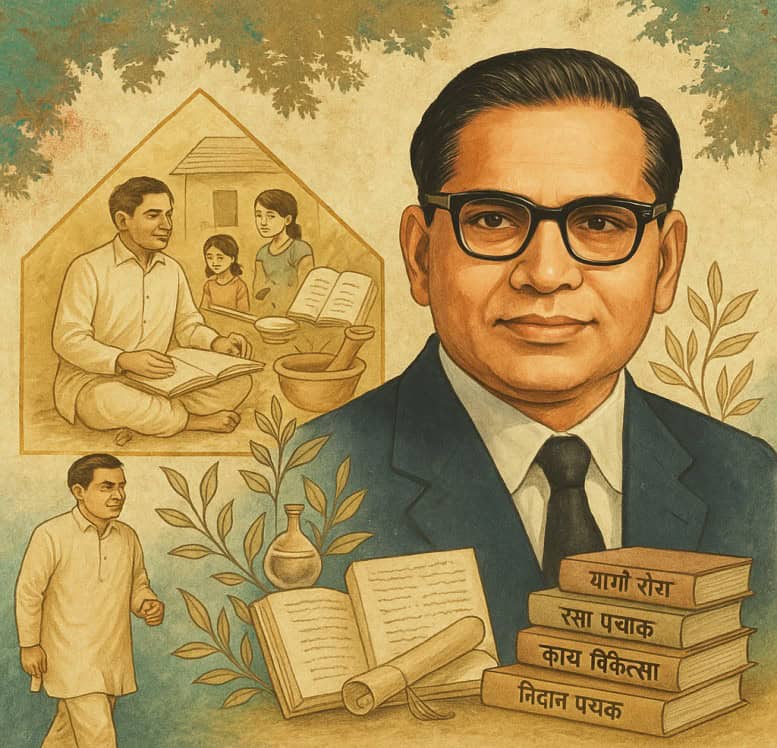
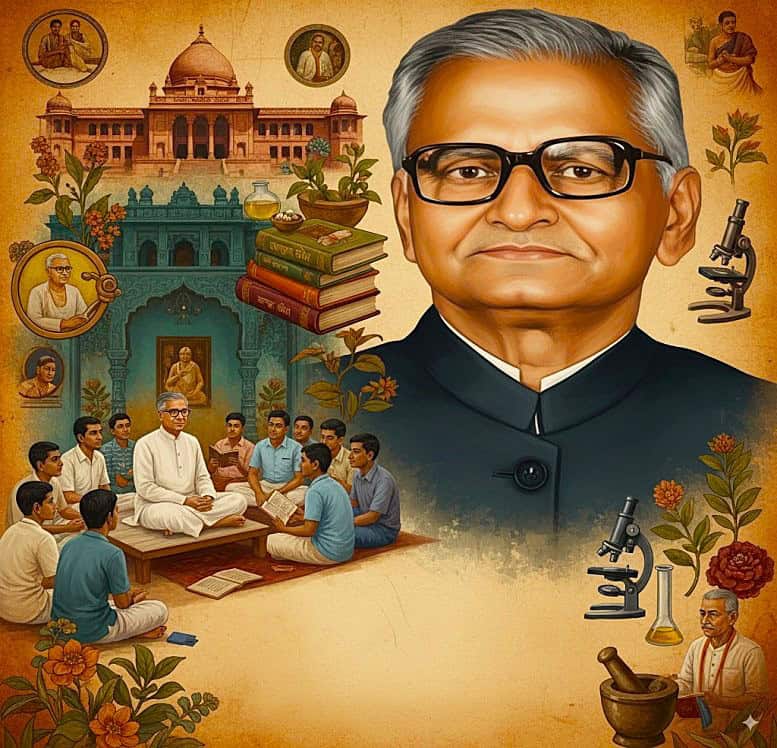

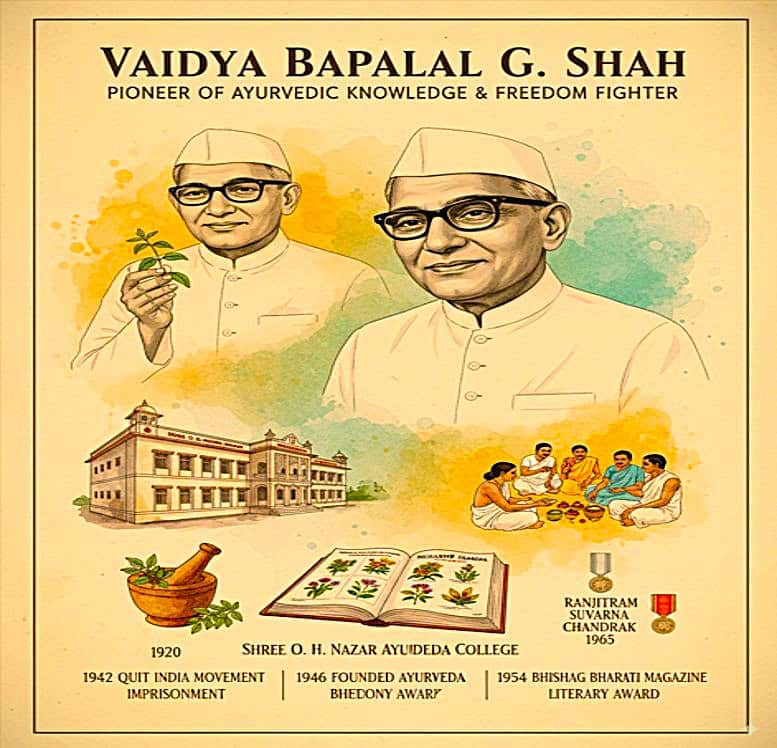
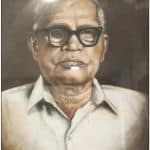
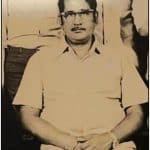
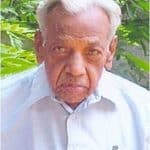
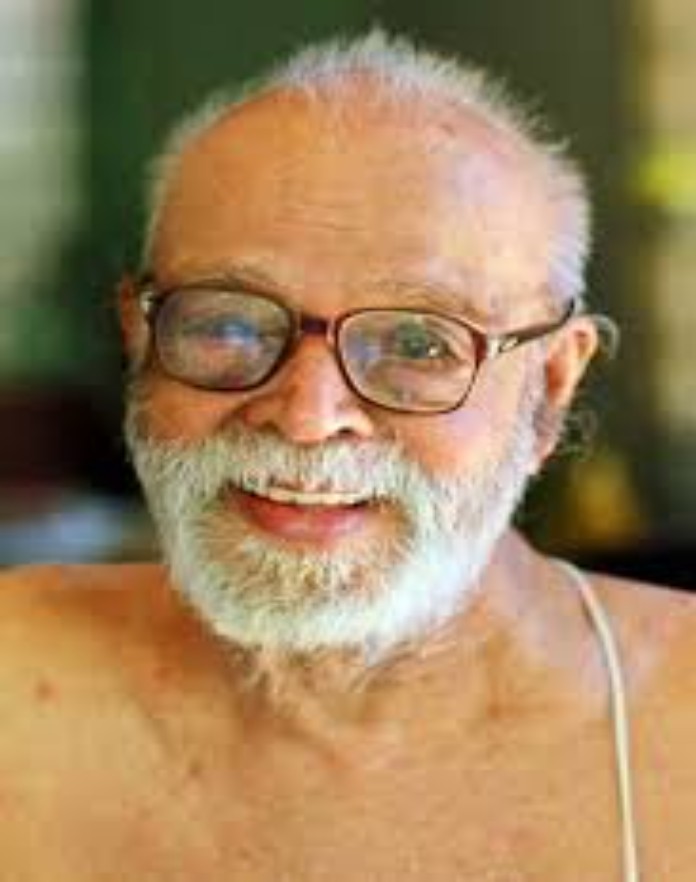
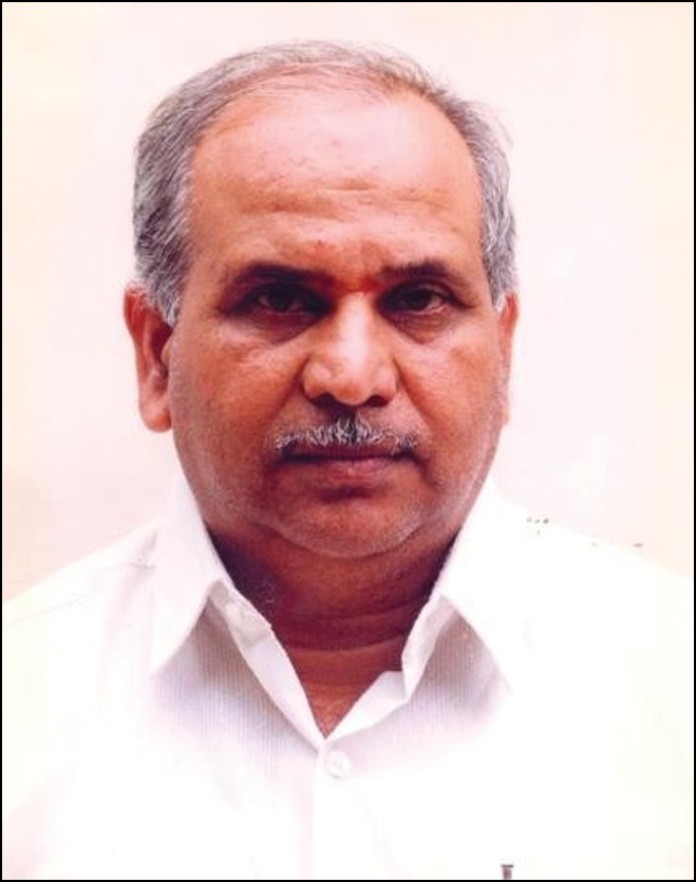
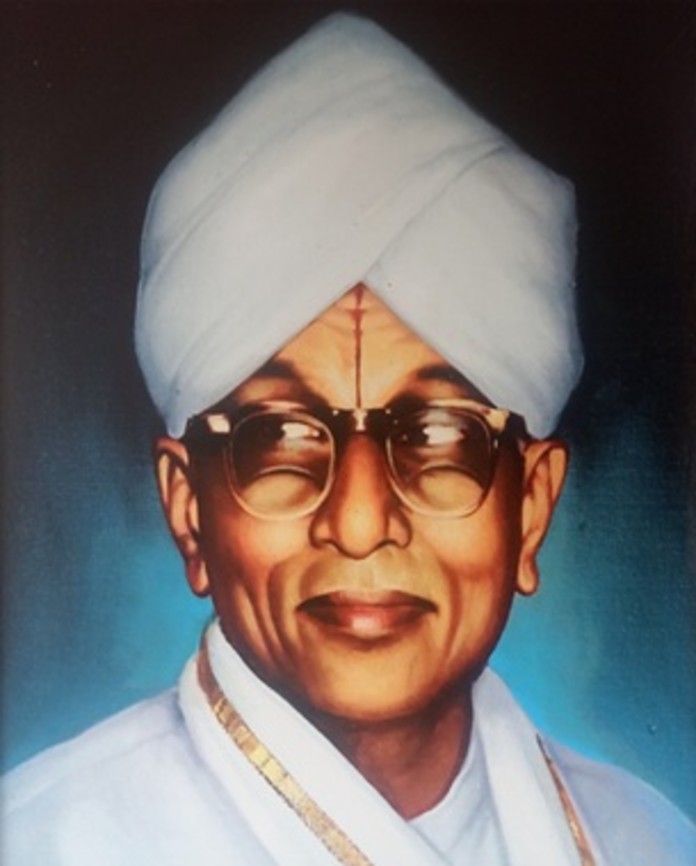
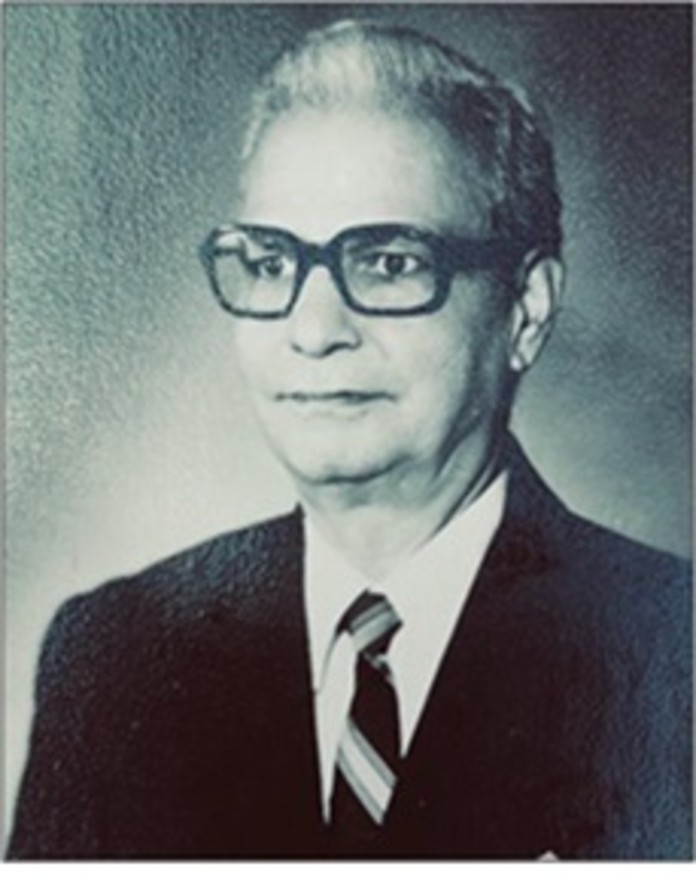
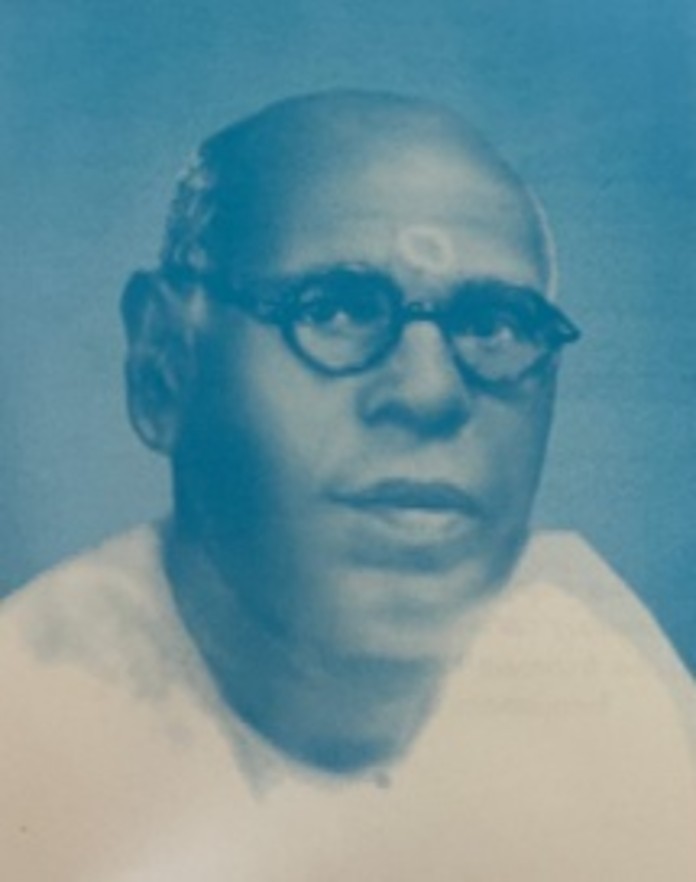
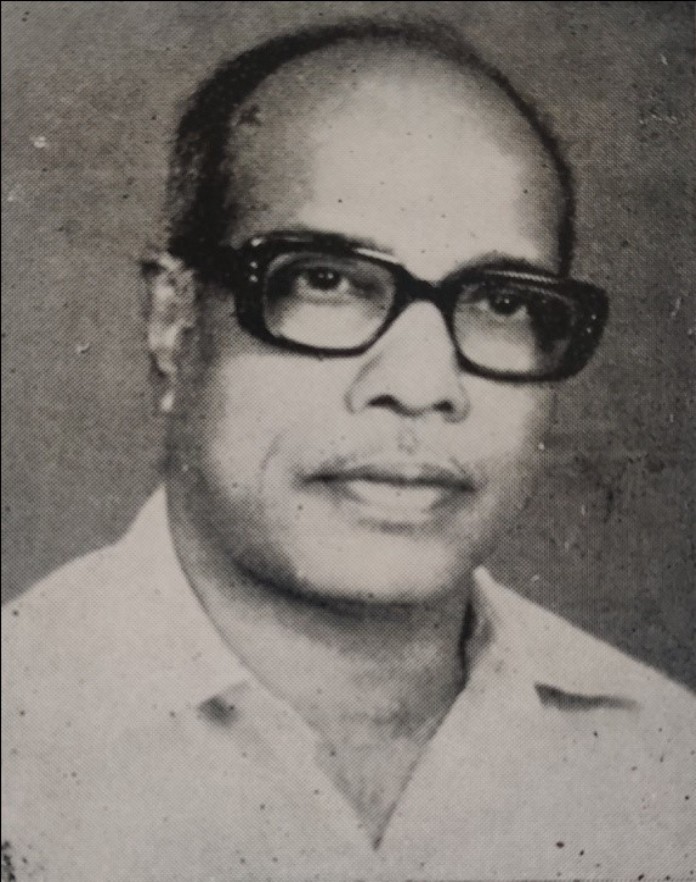
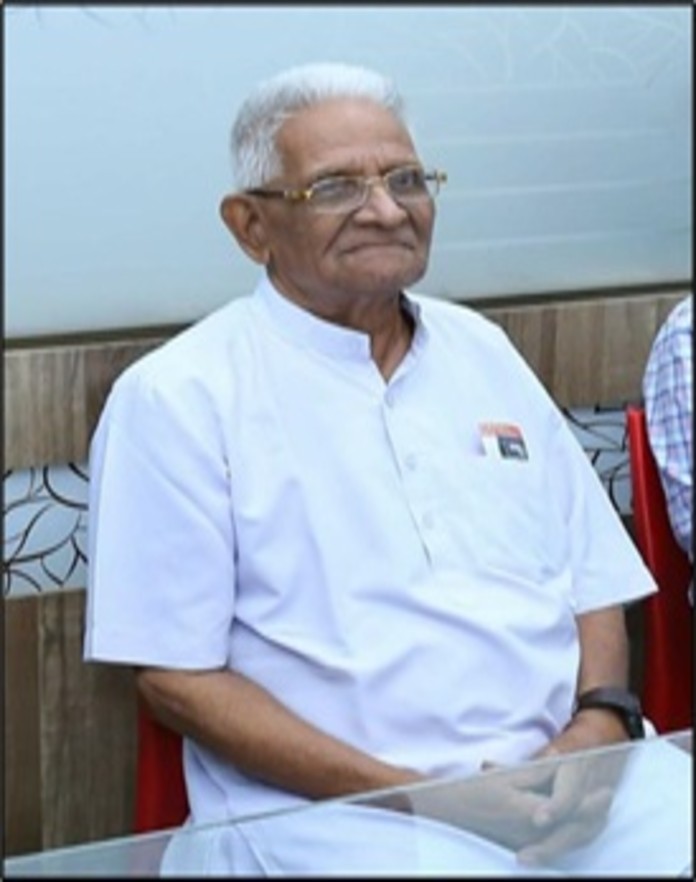
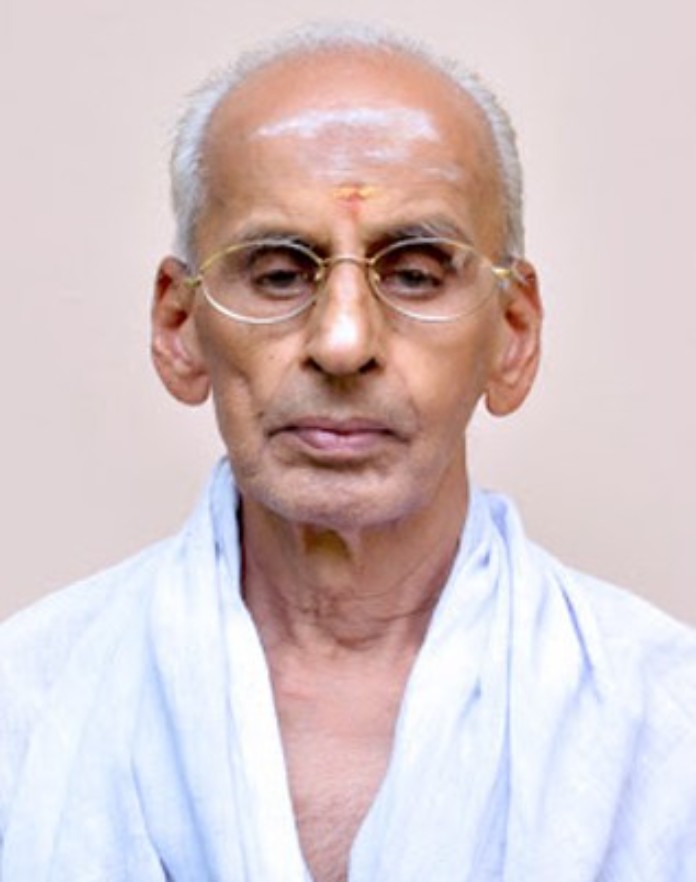
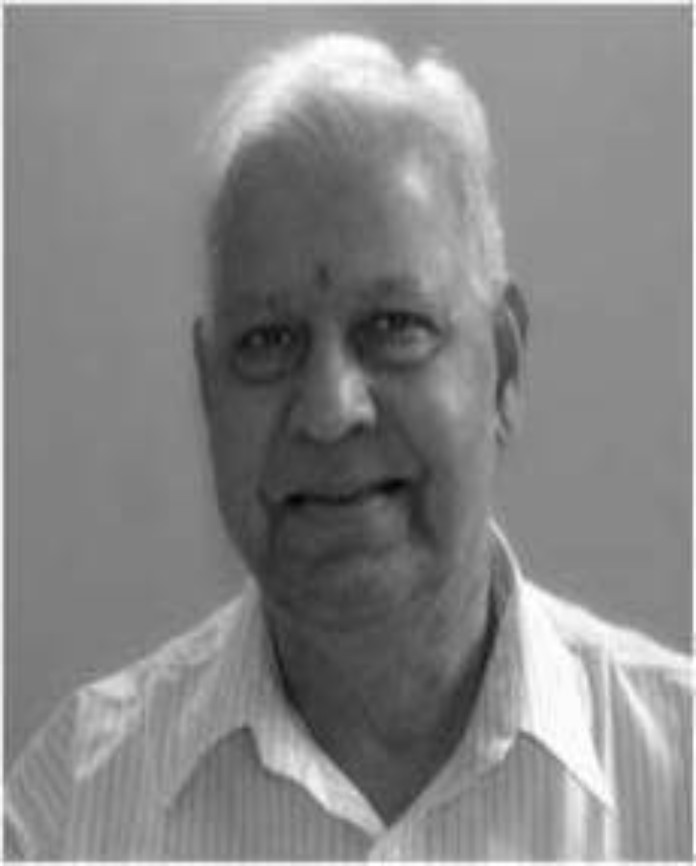
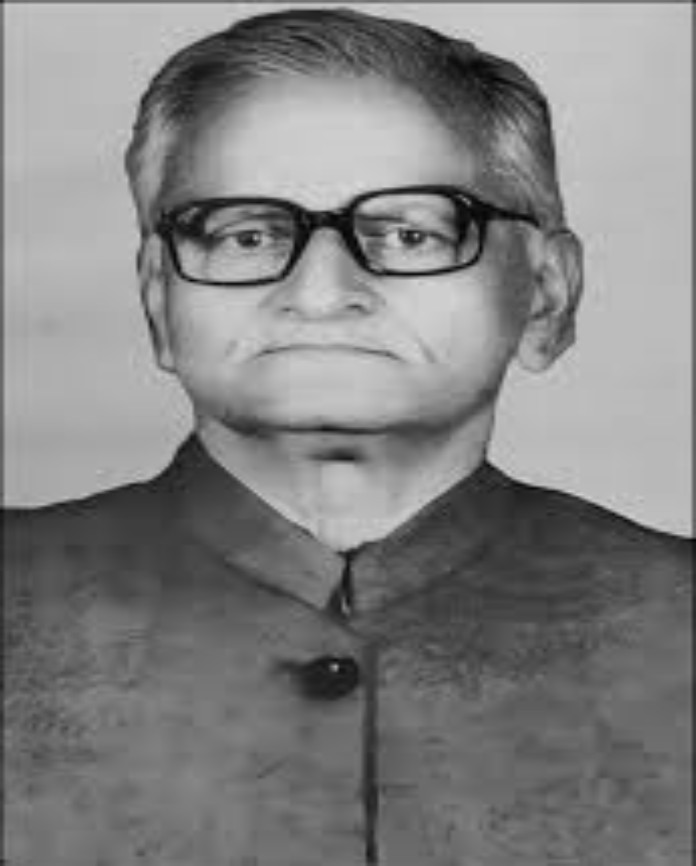
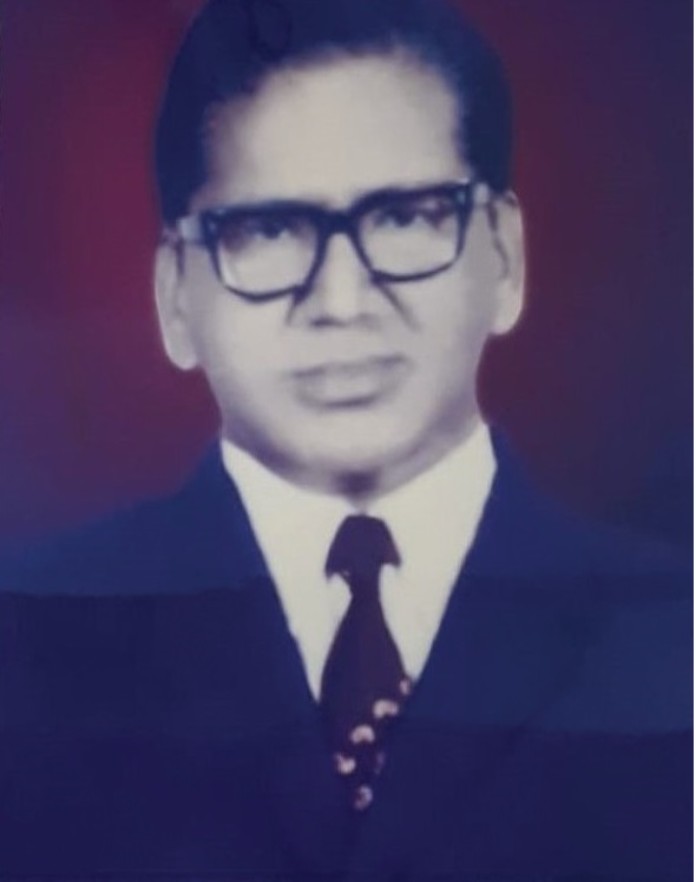
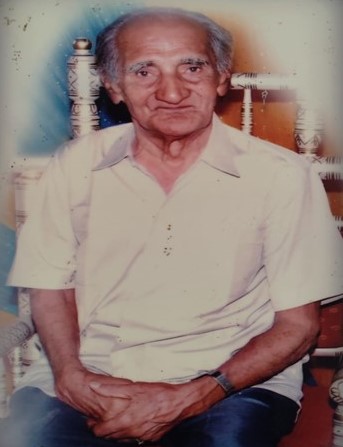
Prof. (Vaidya) C. P. Shukla
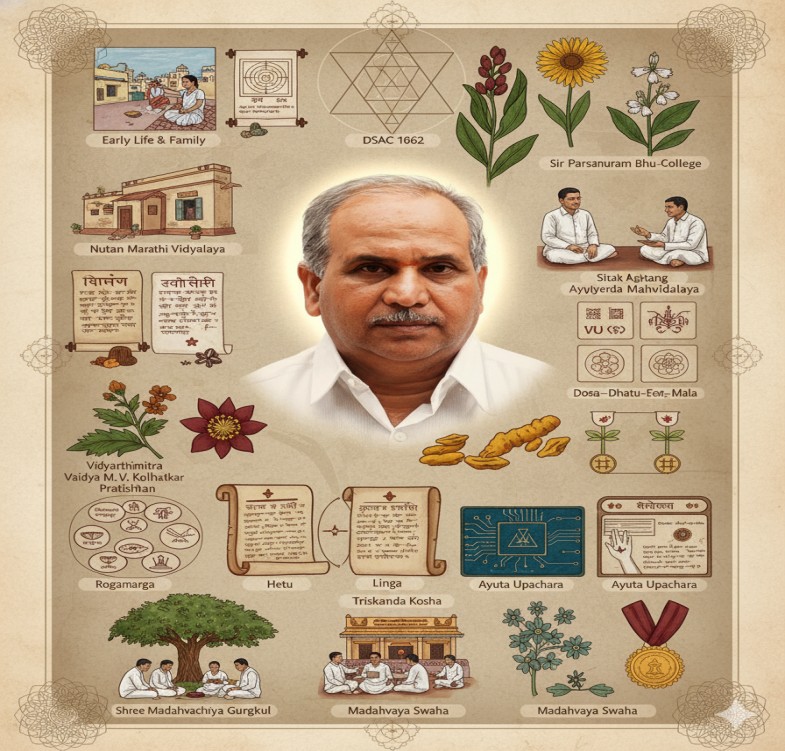
Date of Birth:- November 1, 1922
Place of Birth:- Bhuj, Gujarat
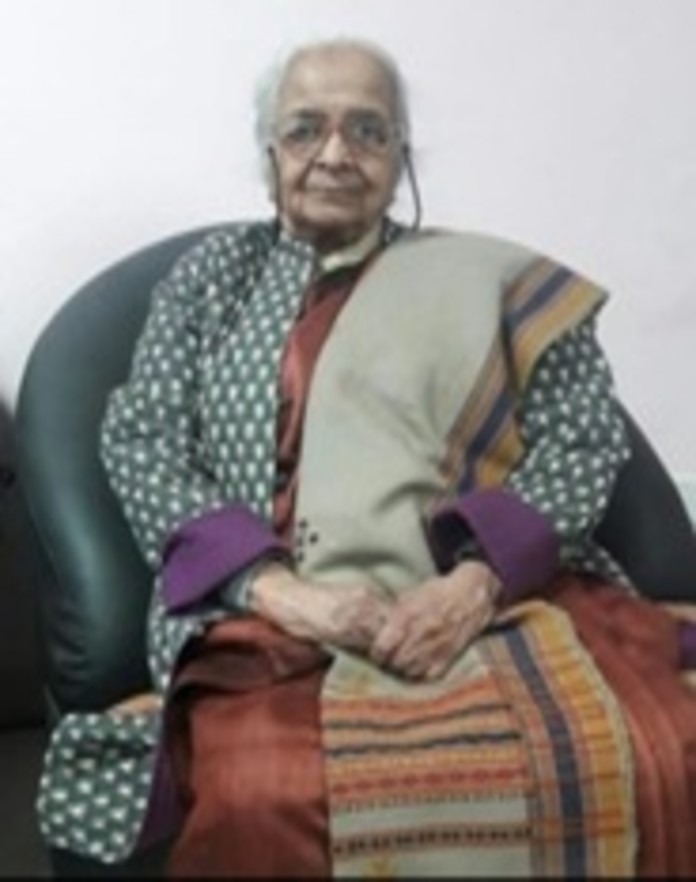
Details of family:- Bornto Shri Prabhushankar Dev Shukla and Smt. Tara Lakshmi Prabhu Shukla. Besides being a respected Shastri (ritualist), his father was a distinguished scholar proficient in Sanskrit and well-versed in Ayurveda. Wife of Vaidya C. P. Shukla, Smt. Anila Chandrakant Shukla attained a matriculation certificate and served as a Class II Registered Medical Practitioner. They have two children, a son and a daughter, Shrikant Chandrakant Shukla and Vasanti Chandrakant Shukla. A few of his grandchildren continue his enduring legacy.
Educational Qualifications:-
Completing his matriculation at Alfred High School in Bhuj in 1939, Vaidya C. P. Shukla showcased exceptional academic prowess, earning himself a Sanskrit scholarship and upholding the family’s scholarly tradition. Subsequently, he pursued his Ayurvedic studies at Shri Ujamshi Pitambardas Ayurved College in Patan, Gujarat, and passed Licentiate in Ayurvedic Medicine in 1943. Simultaneously, he obtained the “Ayurvidya Visharada” degree from Tilak Maharashtra Vidyapeeth in Pune.
Professional Trajectory:-
Pioneering Contributions in Translating the Charaka Samhita Upon joining the Gulabkunverba Ayurvedic Society in Jamnagar in 1944, Vaidya C. P. Shukla wholeheartedly dedicated himself to the monumental task of translating the Charaka Samhita, initiated under the Chairmanship of Dr. P. M. Mehta, in collaboration with other esteemed luminaries of Ayurveda, such as Shri Yadavji Trikamji Acharya and Shri Durgashankar Kevalram Shastri. Vaidya C. P. Shukla explored the profound discussions on interpretations of Sutras (aphorisms) and elucidations of commentaries.
Undergraduate Faculty and Principal:- When Gulabkunverba Ayurveda College was started in 1946, Vaidya C. P. Shukla was asked to render his services to the college. He began his teaching career by teaching Kriya Shareera Vijnana (physiology) and later switched to Kayachikitsa (medicine). Owing to his devotion, dedication, and diligence, he soon became the Principal of Gulabkunverba Ayurveda College and rendered his services from 1954 to 1956.
Postgraduate Faculty:- In 1956, Vaidya C. P. Shukla joined the Post Graduate Training Centre in Ayurveda (PGTCA), Jamnagar, as an Assistant Professor in the Department of Kayachikitsa and became a Professor in the same department in 1961. He was appointed as Deputy Superintendent of the hospital in 1966. In 1968, he was appointed as the Director of Ayurved, Gujarat. However, because of his interest in teaching and clinical research, he rejoined the Gujarat Ayurved University as a Professor and Head of the Department of Kayachikitsa. He has guided more than 200 M.D. theses and 5 Ph.D. theses. He was also in charge of the Dean, Institute of Post Graduate Teaching & Research in Ayurveda (IPGT&RA), Gujarat Ayurved University, from 1970.
Academic Reforms:- Vaidya C. P. Shukla recommended modification in the methods of education through committees formed under his chairmanship to review and modify the syllabus of Ayurveda in 1970 and 1977, which was accepted by Gujarat Ayurved University and by the then Central Council for Indian Medicine, the apex regulatory body for Indian System of Medicine. He advocated for early exposure of students to both patients and medicines right from their first year of study. Additionally, he stressed the importance of integrating Ayurvedic subjects such as Maulika Siddhant (basic principles) and Dravyaguna Vijnan (materia medica and pharmacology) within the context of patient care. He recommended that education should be centered around patients, focusing on the practical application of principles rather than theoretical lectures.
Aptitude for Research:- He emphasized the importance of research in Ayurveda and advocated for integrating insights from the Charaka Samhita into research methodologies for clinical trials. He also proposed that assessment parameters in clinical trials should also encompass the state of Deha Bala (body strength), Agni Bala (strength of digestive/metabolic factors), and Mano Bala (strength of the mind). He also highlighted the necessity of documenting the side effects of trial drugs.
Rashtriya Ayurveda Vidyapeeth (RAV) Guru:- He was designated as a Guru (teacher) for Charaka Samhita by RAV and guided students in their advanced study in Charaka Samhita. Through this scheme the traditional method of teaching through guru shishya Parampara is kept alive
Positions Held:- Vaidya C. P. Shukla served as a member of the senate and syndicate of Gujarat Ayurved University. Additionally, he was appointed as a “visitor’s nominee” by the President of India at Banaras Hindu University. He was also an active member of the pharmacopeia committee. He was also appointed as an examiner at postgraduate and Ph.D. levels at various universities such as Gujarat Ayurved University, Jamnagar; Rajasthan University, Jaipur; Banaras Hindu University, Varanasi; and Andhra University, Hyderabad. He frequently served as an Ayurveda specialist advisor or subject expert in various Public Service Commissions across India.
Literary Contributions:- Vaidya C. P. Shukla was an active editorial board member of the Charaka Samhita translation published by Shree Gulabkunverba Ayurvedic Society, Jamnagar. Furthermore, he contributed significantly to creating the Handbook of Domestic Medicine and Common Ayurvedic Remedies, a highly regarded publication of the Central Council of Research in Ayurveda and Siddha (CCRAS), New Delhi. This book offers comprehensive information on common Ayurvedic diseases, their symptomatology, management principles, single drugs, compound drugs, and their preparations. He authored numerous journal articles, drawing from his practice experiences grounded in theory and clinical observations. Furthermore, he co-authored the book Illustrated Diabetes Ayurvedic Overview with his grandson, Dr. Nishant Shukla.
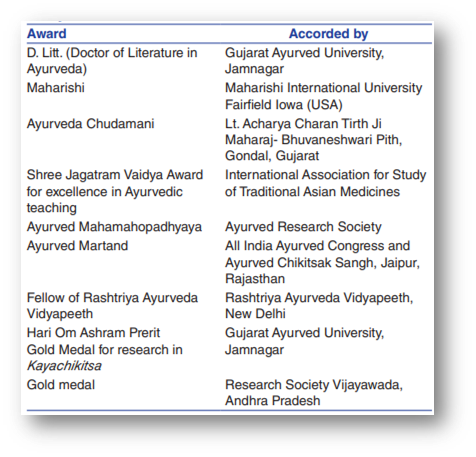
Accolades & Honours Presented