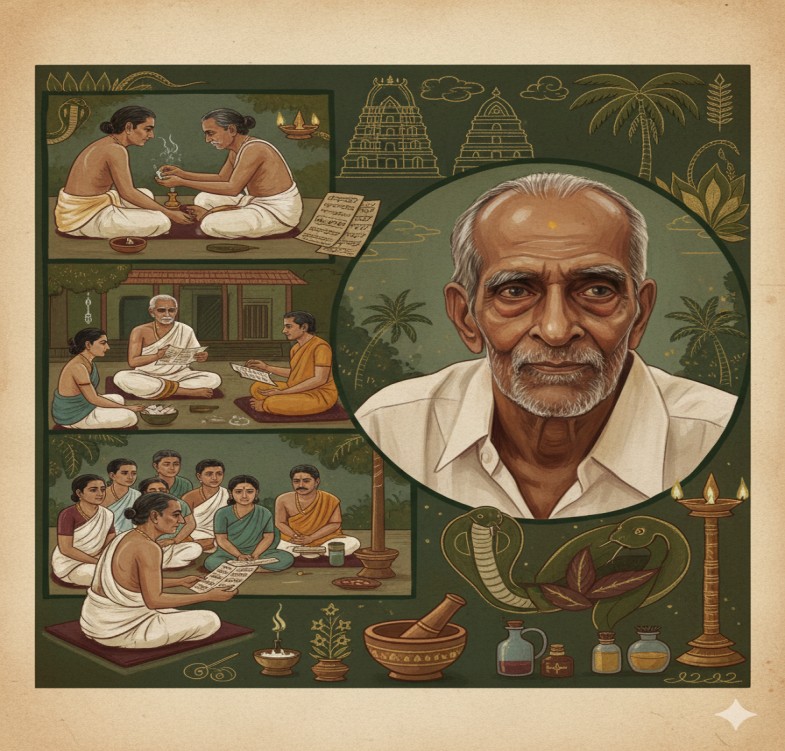

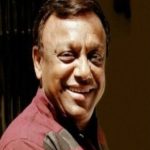
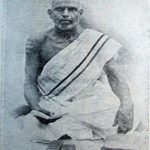
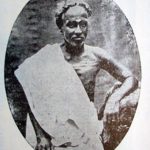
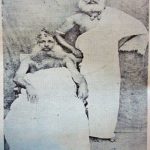
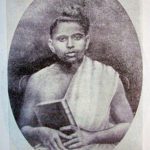
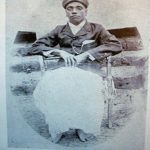
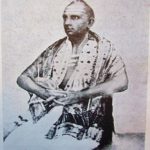
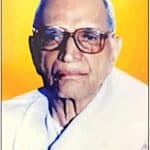
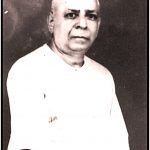
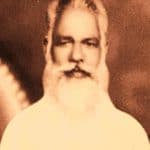
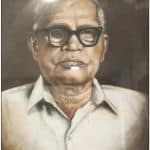
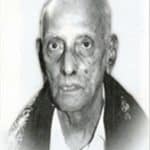
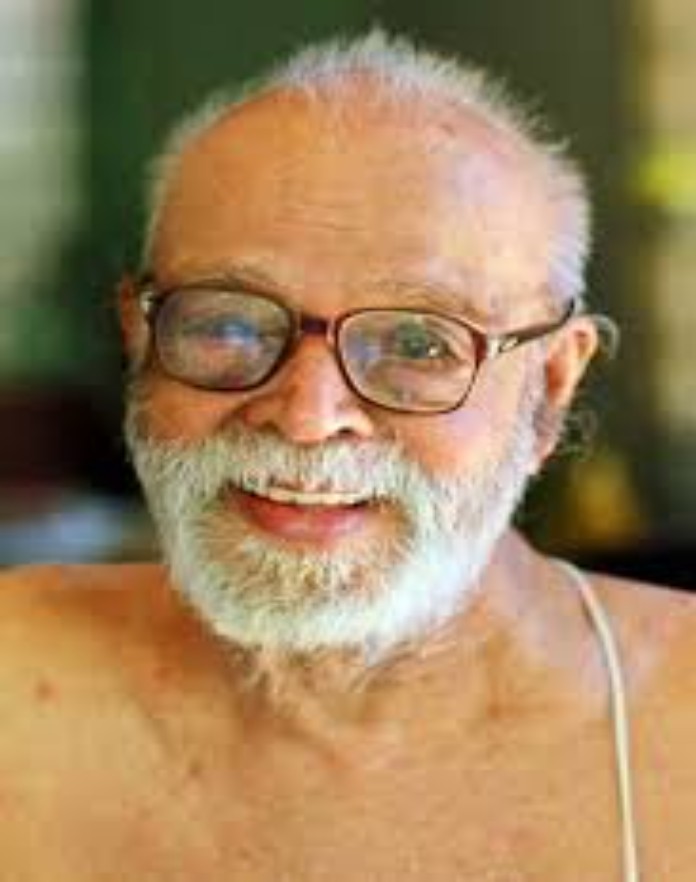
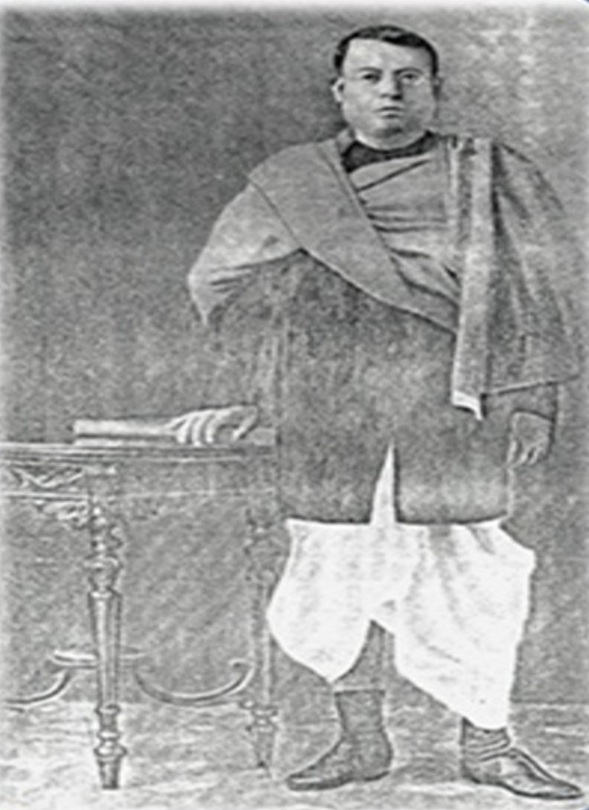
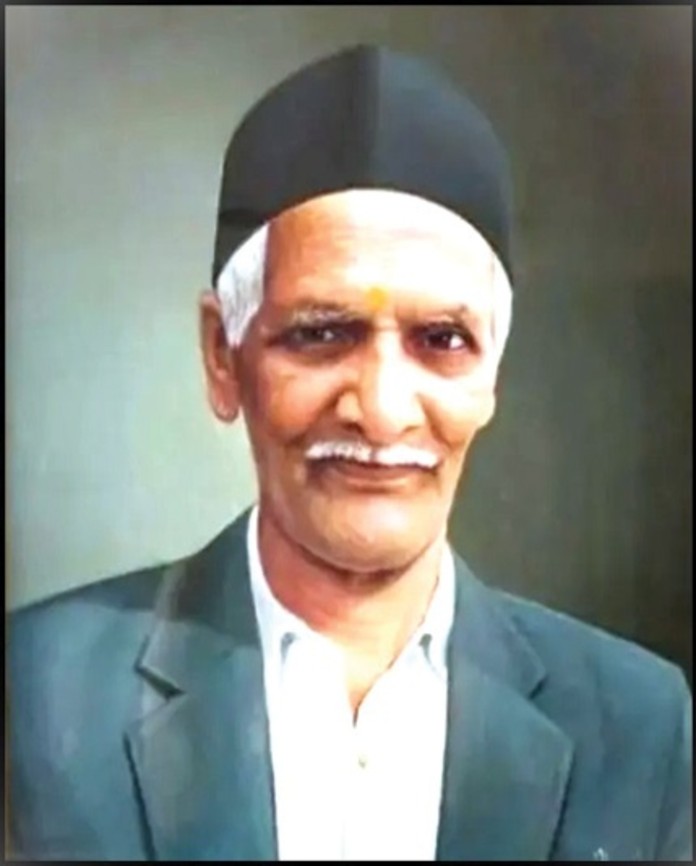
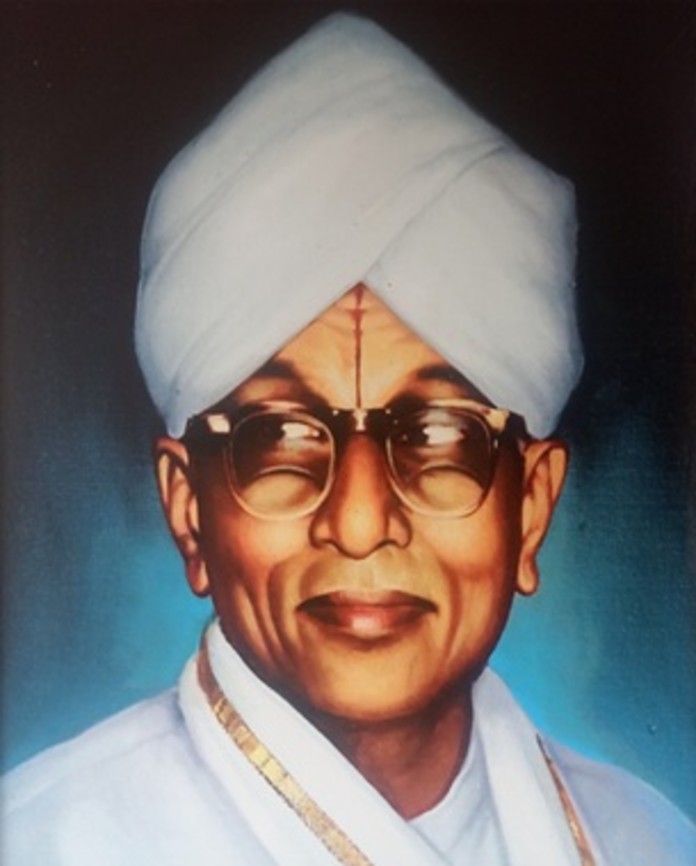
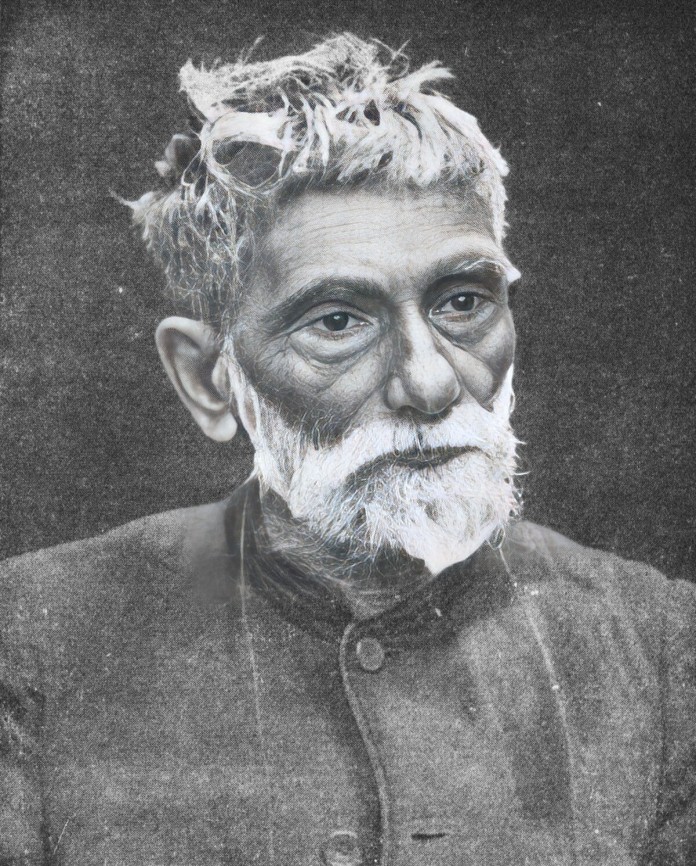
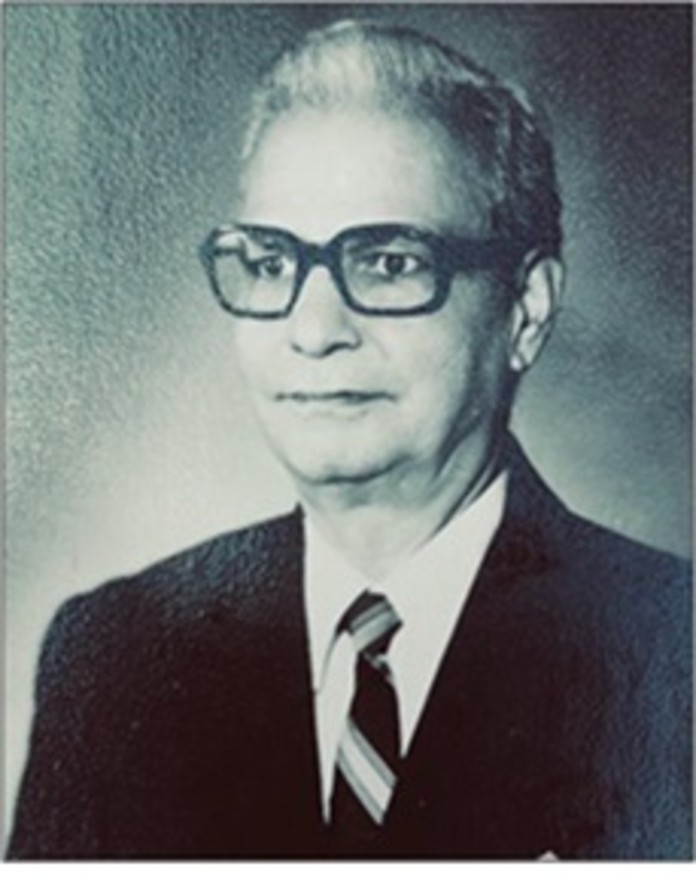
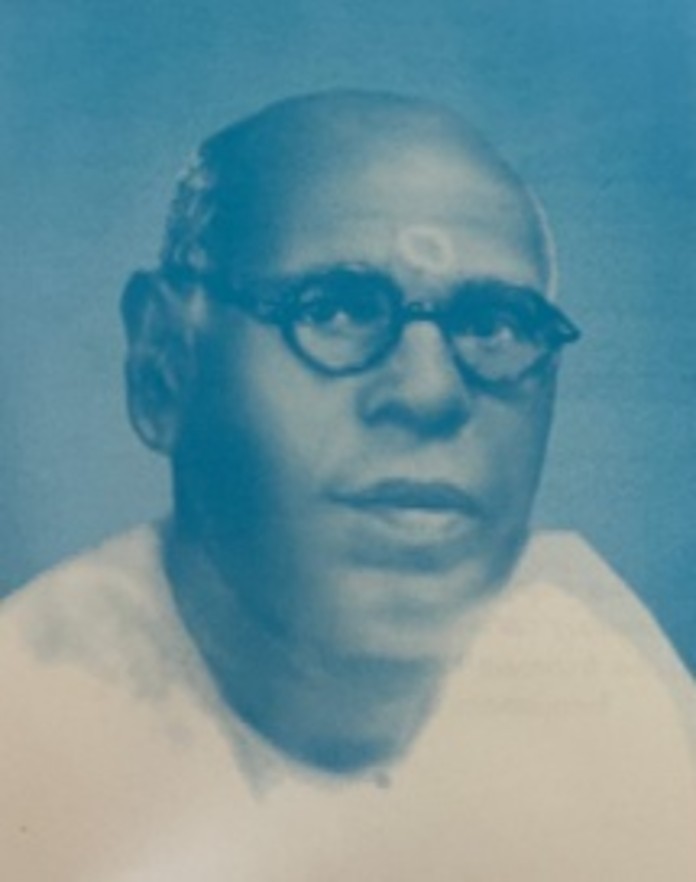
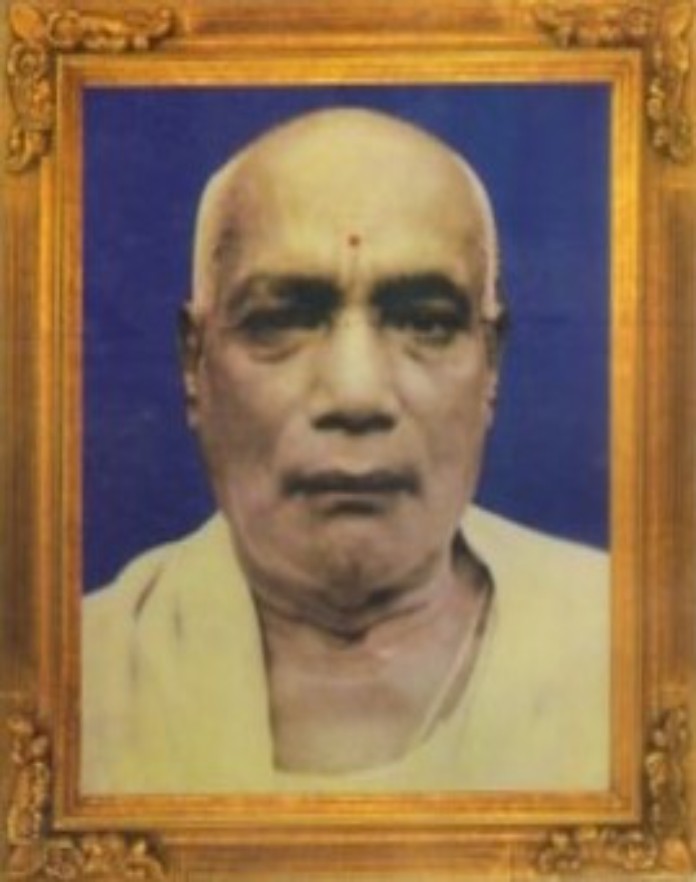
Vaidya Bachaspati Pandit Brajabandhu Tripathy
Date of Birth:- November 2, 1895
Place of Birth:- Ghumusar (Ganjam), Odisha
Details of family:- Born to Sh. Dandapani Tripathy and Smt. Sadhavani Tripathy, he was deeply influenced by his grandfather, Vaidya Shri Sadashiva Tripathy, an expert in Ayurvedic treatments, Pandit Sharma married Sarada Devi, with whom he had two children: Ayurvidya Ratna Devi Prasad Tripathy and Dr. Durga Charan Tripathy. His grandson, Ayurveda Ratna Sri Atmananda Tripathy Sharma, and great-grandson, Dr. Sri Ashutosh Tripathy Sharma, uphold his legacy by continuing to practice Ayurveda in Bhanjanagar, Odisha.
Educational Qualifications:-
His educational journey began at the young age of nine when he learned foundational Sanskrit texts like Mahanatak, Amarakaosa, and Paniniya Vyakarana (Sanskrit Grammar). By eleven, he expanded his knowledge to include Kabyatirtha, Sankhyaratna, and advanced Sanskrit grammar, Nyaya Shastra, and the Srimad Bhagavat, under the guidance of Pandit Chandra Sekhar Brahma. He received a scholarship from Jagannath Ballava Matha in Puri and began learning Ayurveda from his grandfather, Vaidya Sadashiva Tripathy. His Ayurvedic education deepened with additional studies in Puri, inspired by contributions from various mentors and texts, eventually leading to his completion of the Ayurvedopadhyaya examination.
Professional Trajectory:-
Clinical expertise: Renowned Ayurvedic physician, noted for his clinical expertise in Nadi Pariksha (Pulse examination) and the treatment of venereal diseases. His practice incorporated traditional approaches such as Panchakarma, Bhasma preparations, and Asava-Arishta formulations. He advocated for natural, holistic healing, often combining diet and lifestyle modifications with treatments like Surya Chikitsa (Sun therapy), Jala Chikitsa (Hydrotherapy), and Chumbak Chikitsa (Magnet therapy). He also employed unconventional methods like Mantra and Mutra Chikitsa. His legacy continues through the Jeebanbandhu Aushadhalaya in Bhanjanagar, which still provides Ayurvedic treatment to the community.
Administration and additional obligations:- He significantly contributed to Ayurvedic education by founding an institution in Belaguntha, Ganjam, where he served as principal, teaching both theory and practice in disease treatment. His Jeevana Bandhu Aushadhalaya in Bhanjanagar, still active, prepares traditional Ayurvedic formulations developed by him and his family. Additionally, he served as an external examiner at Sadashiva Sanskrit College and Gopabandhu Ayurveda Mahavidyalaya in Puri.
Literary Contributions:- Inspired by Ayurveda’s therapeutic success, sought solutions to numerous diseases through literary research, producing an array of translations, compilations, and original works. His publications span Ayurveda, philosophy, Bhanja Sahitya, and grammar. Notably, his Drabya Guna Kalpadruma (1926) offers a detailed Odia alphabetical guide on medicinal plants, with updates in 1943 and 1953. He also created the Vaidya Sandeha Bhanjana Granthamala series, addressing Ayurvedic treatments and emergency medicines. His literary contributions include Murkha Shataka, Kabi Samrat Upendra Bhanja o Adbhuta Rasa, and Bramha Sangita Panchaka, enriching both Ayurveda and Odia literature. His legacy reflects his dedication to advancing knowledge and societal welfare
Accolades and Honours presented:-Pandit Brajabandhu Tripathy Sharma, a renowned Ayurvedic scholar, was honored with the title Ayurvidya Ratna and received accolades including a certificate from the Odisha Sahitya Academy, presented by Chief Minister Harekrushna Mahatab in 1970, and the Utkala Dhanvantari award from Chikitsaka Samaj for his outstanding contributions to Ayurveda.
Full Paper Link