
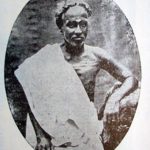
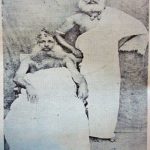
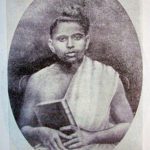
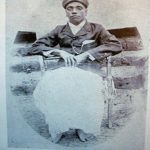
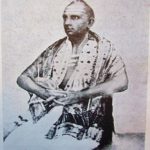
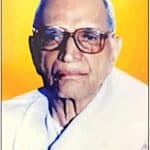
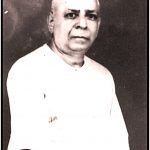
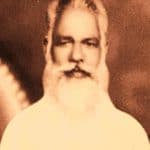
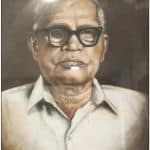
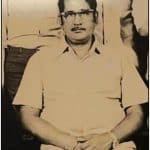
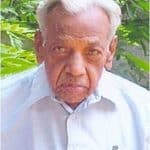
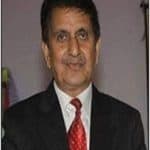
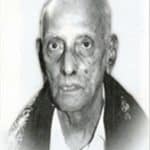
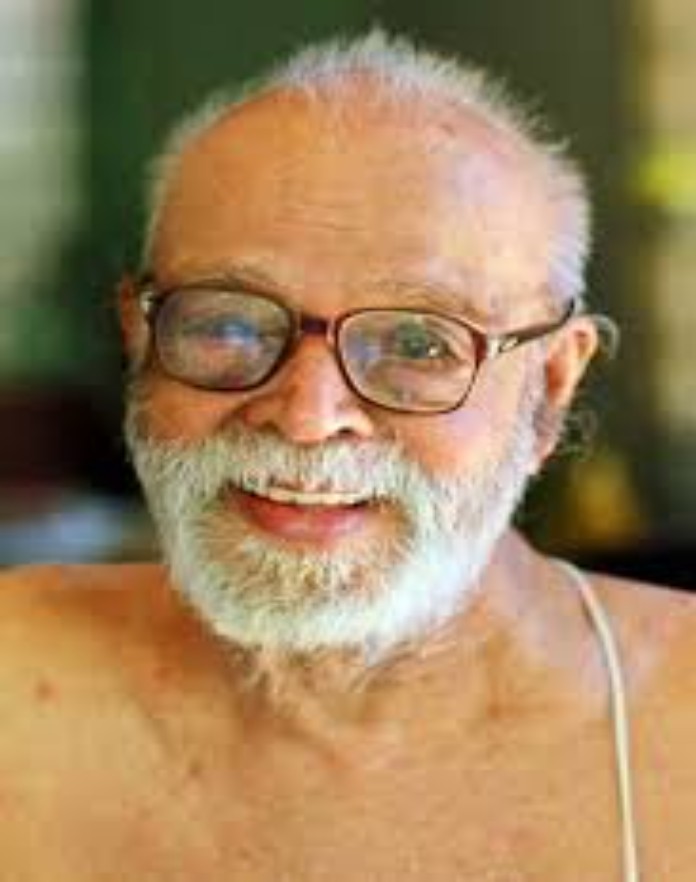
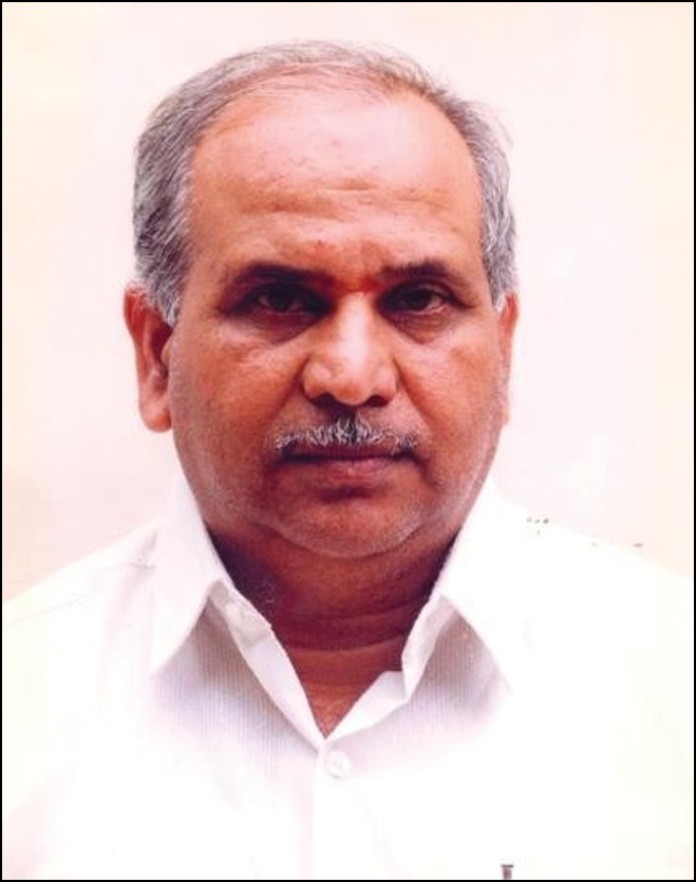
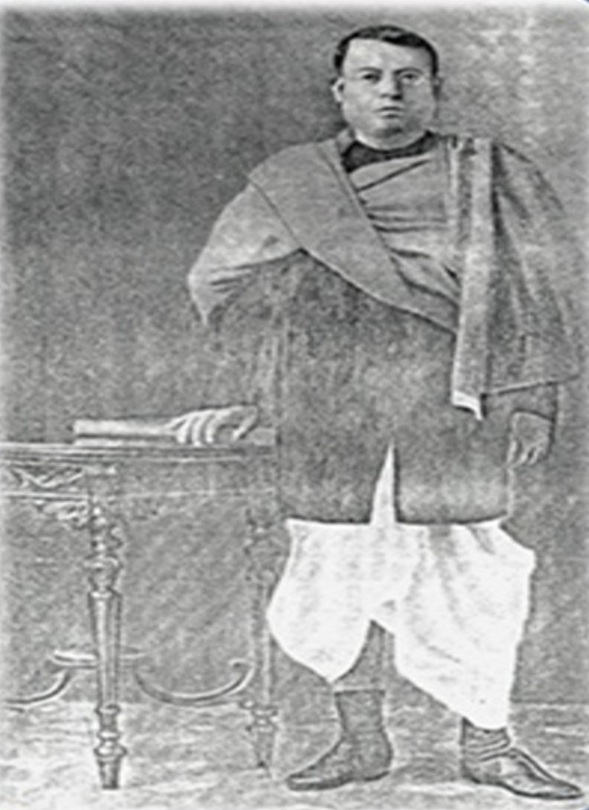
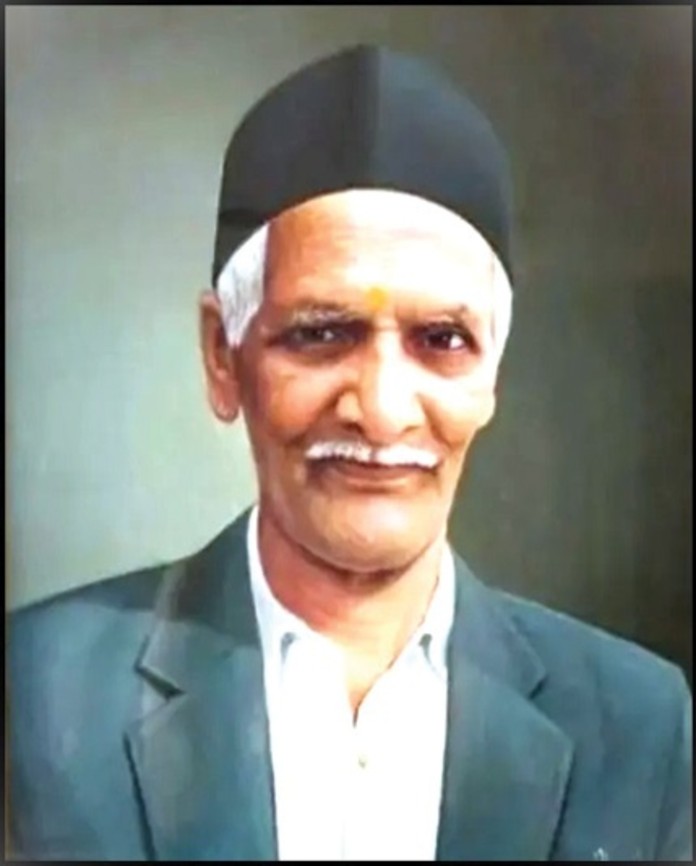
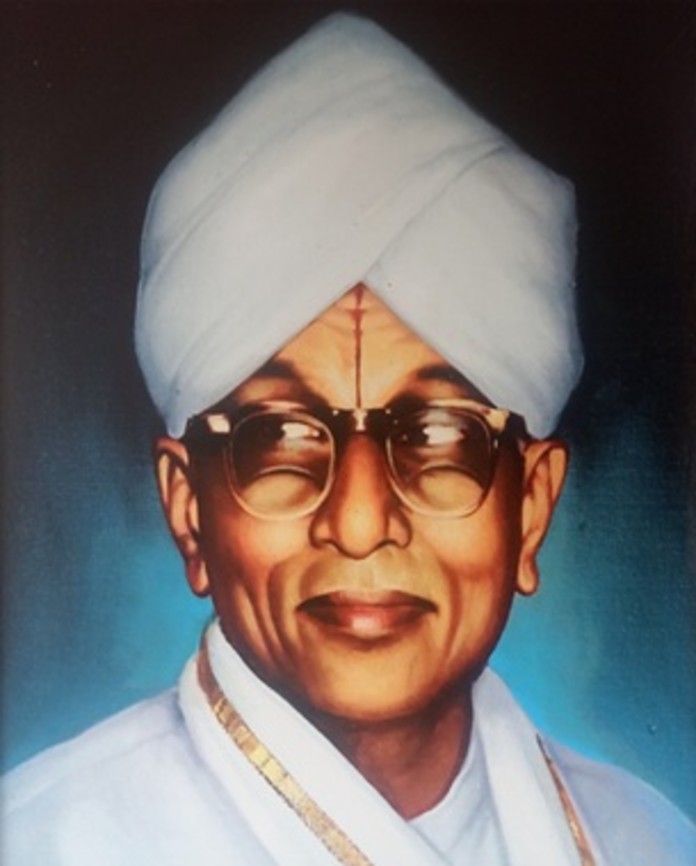
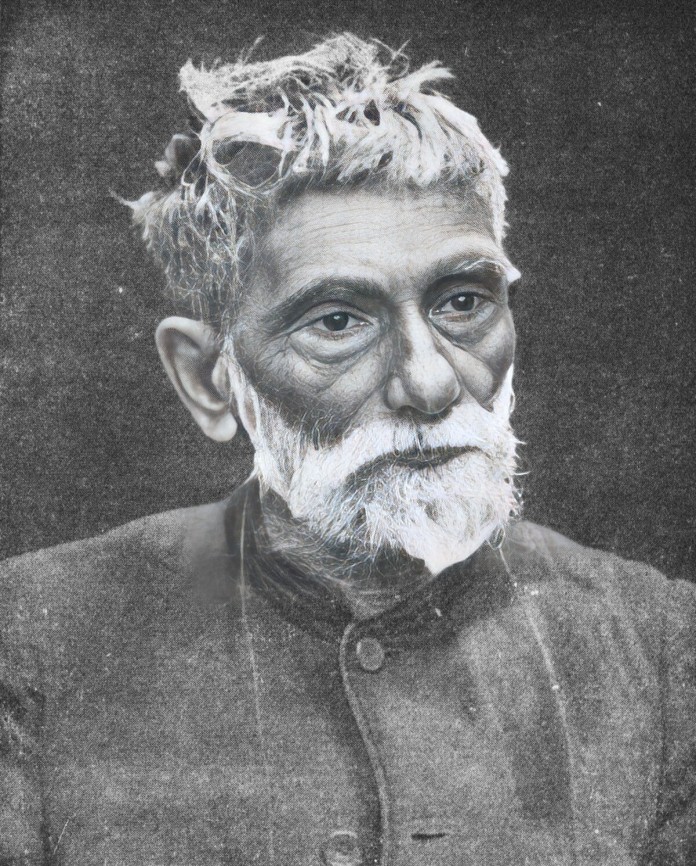
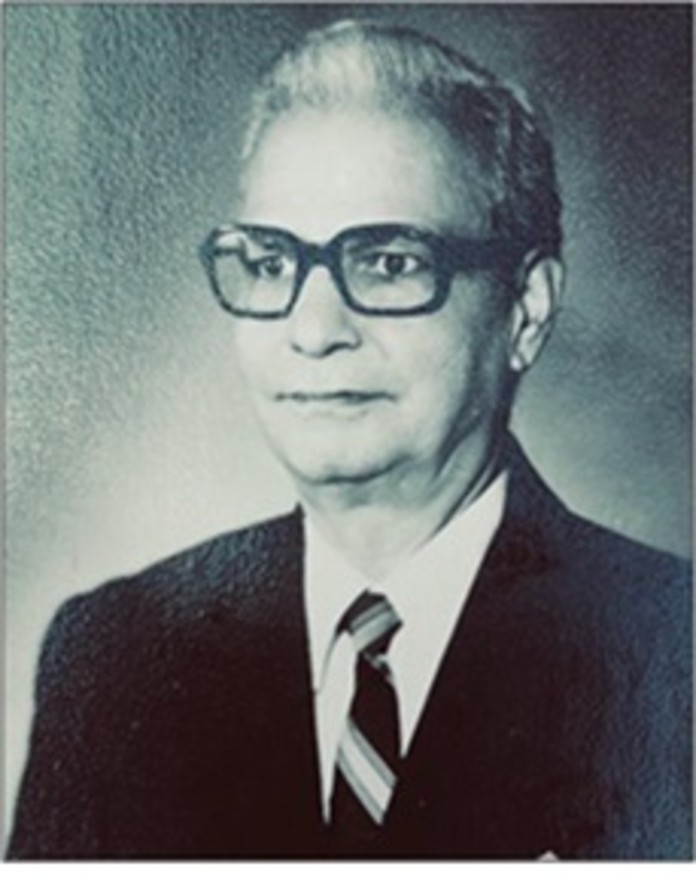
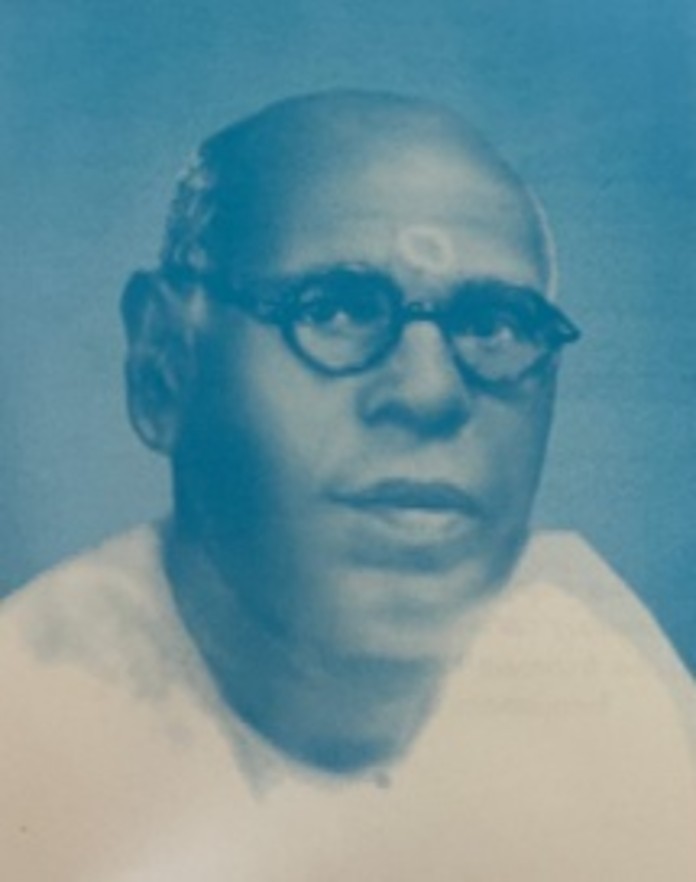
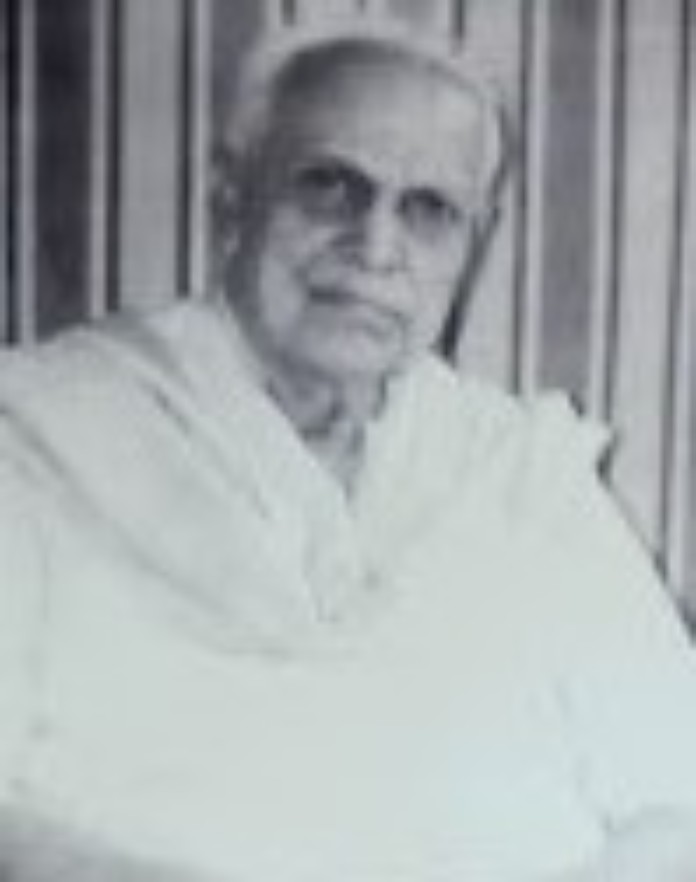
Pandit Kabiraj Dr. Ananta Tripathy
Date of Birth:- 10th February 1905
Place of Birth:- Jagannathapur Sasana, Ganjam District, Odisha, India.
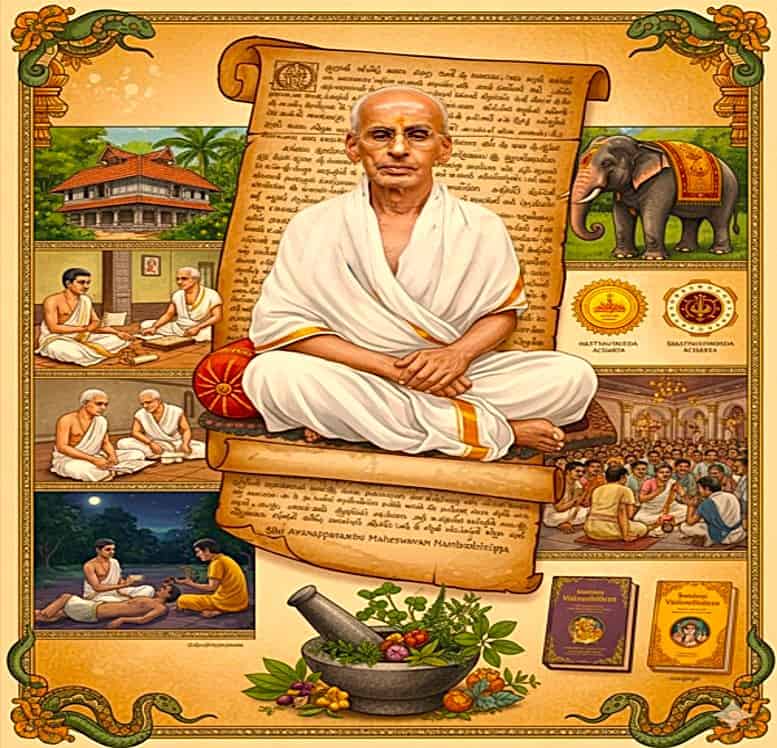
Details of family:- Pandit Kabiraj Dr. Ananta Tripathy Sharma was born into a family deeply rooted in Ayurvedic and spiritual traditions. His father, Shri Gadadhara Tripathy, was a well-respected Vaidya (traditional healer) and astrologer, while his mother, Shrimati Mohini Devi, was a dedicated homemaker. Growing up in a lineage where traditional healing was highly valued, Dr. Sharma was greatly inspired by his grandfather, Shri Damodar Padhi, who was also a Kabiraj (Ayurvedic physician) and renowned astrologer in Jagannathapur Sasana. This heritage instilled in him a strong foundation in Ayurveda from an early age. Dr. Sharma married Smt. Bishnupriya, with whom he had nine children—one son and eight daughters. Despite the personal loss of his wife in 1985, he continued his dedicated work in Ayurveda, ensuring that his family’s legacy of healing and service was upheld through his contributions and lasting impact on the field.
Educational Qualifications:-
Dr. Sharma’s educational journey was distinguished by a deep commitment to both classical and Ayurvedic studies. His early education began at a Chatasali (a local primary school) established by his elder brother, a respected Sanskrit scholar educated in Varanasi. Demonstrating academic promise, Dr. Sharma pursued further studies at the Government Sanskrit School in Baripada, where he completed his Vyakarana Madhyama (intermediate in Sanskrit grammar). In 1925, he attained the prestigious Sahitya Shiromani degree from Vijayanagaram Sanskrit College in Andhra Pradesh, marking him as a scholar in Sanskrit literature. Later, he expanded his knowledge to include Ayurvedic medicine, completing his Ayurveda Acharya degree from the Bihar Sanskrit Parishad between 1927 and 1929. This rigorous training established the scholarly and practical foundation that underpinned his later contributions to Ayurveda as both a practitioner and a respected educator.
Professional Trajectory:-
Early Career Highlights: Pandit Kabiraj Dr. Ananta Tripathy Sharma began his professional journey as a lecturer at the English College in Paralakhemundi, Odisha, invited by the Parala King, who recognized his scholarship. During this time, he broadened his academic interests by studying English literature, earning Intermediate Arts and Bachelor of Arts degrees. Driven by a passion for Ayurveda, he soon transitioned from a literary career to establish a full-time Ayurvedic practice. He set up clinics across key regions in Odisha, including Paralakhemundi, Vijayanagaram, and Srikakulam, serving diverse communities and earning a reputation for his effective treatments.
Founder and Institutional Contributions:- A visionary in Ayurvedic education, Dr. Sharma was instrumental in establishing several key institutions that would shape the future of Ayurveda in Odisha. His most notable achievement was the founding of Odisha’s first Ayurveda college, Gopabandhu Ayurveda Mahavidyalaya in Puri, in 1949. Additionally, his commitment to making Ayurveda accessible led him to establish a series of dispensaries and the Bheshaja Mandir pharmacy, which produced traditional Ayurvedic formulations and ensured a steady supply of quality medicines across the region. His relentless efforts also culminated in the founding of the Kaviraj Ananta Tripathy Sharma Ayurveda College and Hospital in Brahmapur in 1978, which stands as a testament to his dedication.
Clinical Achievements:- Renowned for his skill in Ayurvedic diagnostics and treatment, Dr. Sharma became especially well-known for his mastery in Nadi Pariksha (pulse diagnosis). He treated a range of complex conditions, from peptic ulcers and tuberculosis to diabetes and respiratory disorders. His compassionate approach extended to patients of all backgrounds, with a philosophy rooted in Dharma (righteous duty) that prioritized patient welfare over financial gain. His innovative use of Ayurvedic formulations like Chandrodaya Makaradwaja further cemented his reputation as a healer.
Literary Contributions:- Beyond his clinical practice, Dr. Sharma made invaluable contributions to Ayurvedic and literary scholarship. Recognizing the lack of Ayurvedic texts in Odia, he dedicated himself to translating foundational texts like Charaka Samhita, Sushruta Samhita, and Ashtanga Hridaya into the local language, thus making them accessible to Odia-speaking students and practitioners. His literary achievements extended to original works and translations in both Sanskrit and Odia, enriching regional literature and fostering a deeper appreciation of Ayurveda among scholars and laypeople alike.
Political and Social Engagement:- Dr. Sharma’s dedication to Ayurveda also drove him to participate actively in social reform and politics. A firm advocate for social justice, he opposed child marriage and, with the support of local leaders, initiated the Sanskaraka movement, which influenced the repeal of laws enforcing early marriage. His political career saw him elected as a Member of the Legislative Assembly and later as a Member of Parliament, where he worked tirelessly to promote Ayurveda and uplift traditional medicine across India. His influence in both the state and national legislatures ensured that Ayurveda received government support and recognition.
Accolades and Honors Presented:- Dr. Sharma’s contributions to Ayurveda and social reform earned him numerous accolades. He was awarded the prestigious Rashtra Bhasa Ratna title by the Government of India in 1978, recognizing his impact on Ayurveda and Sanskrit literature. His other honors included titles such as “Ayurveda Chakravarti” by the Government of Sri Lanka and “Sahitya Shiromani,” celebrating his contributions to both healthcare and literature.