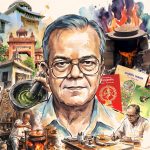
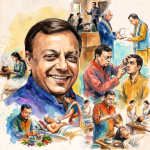
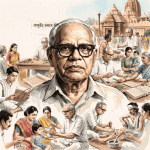
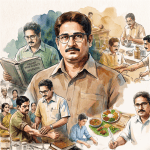
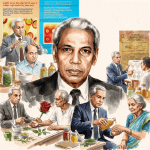
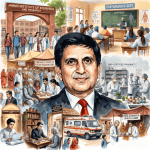
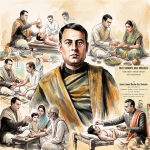
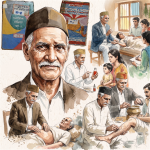
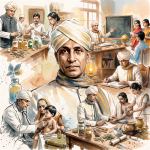
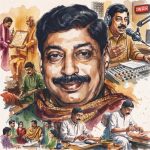
V R Padmanabha Rao
Date of Birth:- 4th June, 1953
Place of Birth:- Veerakaputra, Kolar district, Karnataka.
Details of family:- Dr. Rao, born to Smt. Savitramma and Shri V. N. Rama Rao hailed from a Madhwa Brahmin family with a rich Ayurvedic tradition. He grew up in a family of three brothers and four sisters, facing early life challenges with the loss of their mother.
Educational Qualifications:-
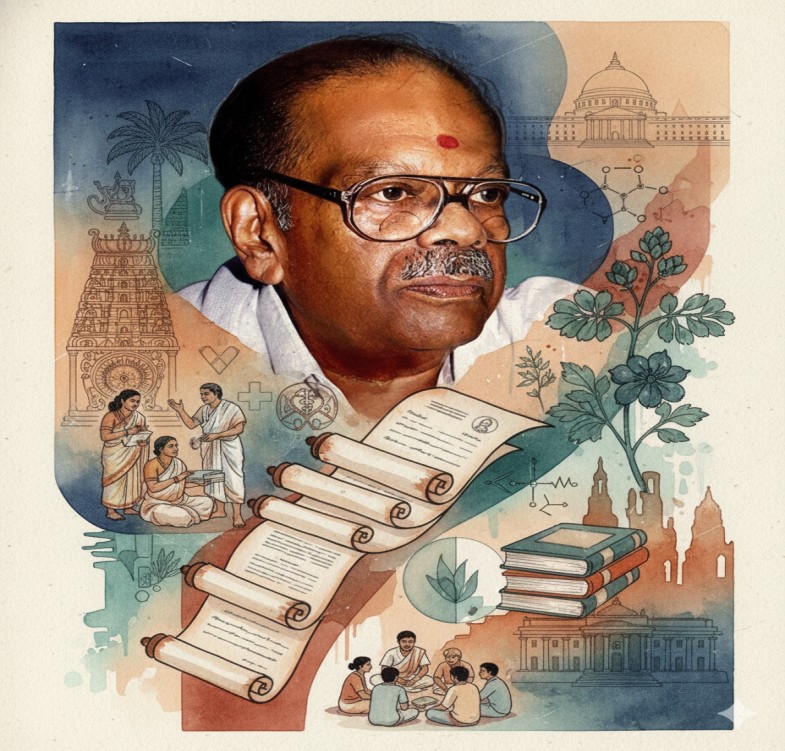
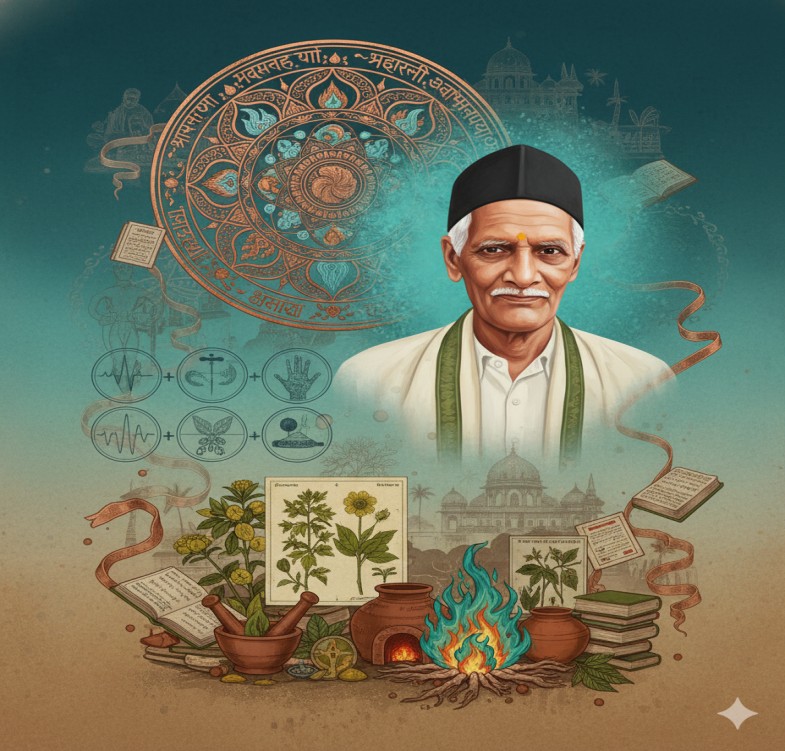
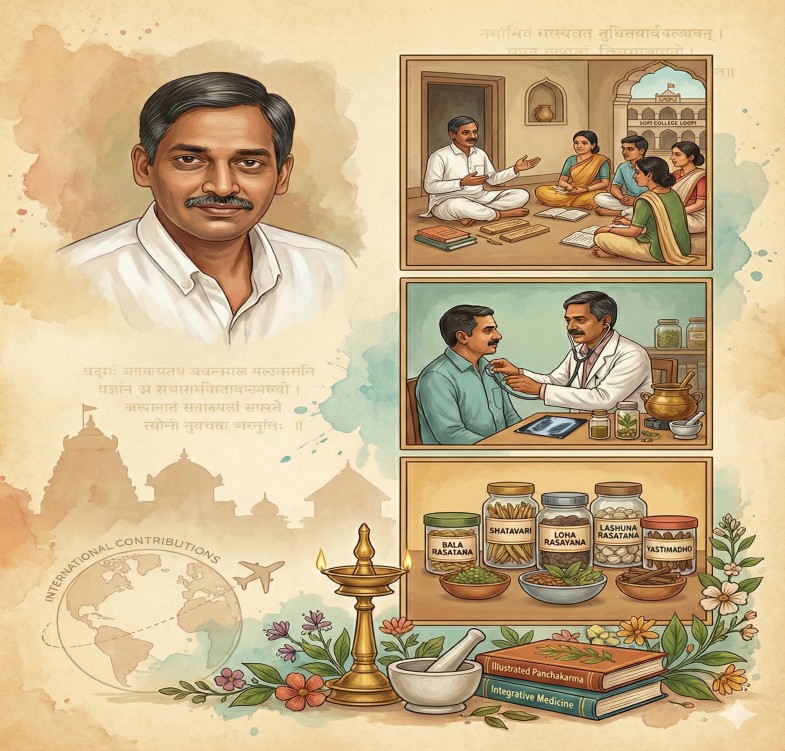
Dr. Rao, completed his primary, secondary, and pre-university education in Kolar. Motivated by his family’s Ayurvedic legacy and inspired by his elder brother, Dr. V. R. Ramakrishna Rao, a high-risk gynecologist in San Antonio (USA), Dr. Rao moved to Bengaluru to pursue formal education in Ayurveda. He completed a Bachelor of Shuddha Ayurveda Medicine (B.S.A.M.) (1969–1975) at the Government College of Indian Medicine (now known as Government Ayurveda Medical College, Bengaluru), securing the first rank and a gold medal in the final year. Despite obtaining a merit seat in the Ayurveda postgraduate examination at Gujrat Ayurveda University, Jamnagar, he chose to continue his studies in Bengaluru, advised not to leave his family behind. In 1980, he completed a postgraduate (M.D.) in Dravyaguna, Rasashastra, Bhaishajya Kalpana at the same college where he earned his bachelor’s degree. In 1983, he obtained a Bachelor of Ayurvedic Medicine and Surgery degree through a 1.5-year bridge course in allopathy. His academic achievements were acknowledged with fellowships from the Royal Asiatic Society London and the International Council of Ayurveda, India.
Professional Trajectory:-
Dr. Rao earned acclaim as a highly accomplished clinician, making an impact on patients and the health care community. Despite unfavorable circumstances, he established and ran a classical Ayurveda practice in Bengaluru, serving as an inspiration for many. His expertise garnered Government officials’ visits, acknowledging his contributions to health care. He served as a visiting professor at Sri Sri Ayurvedic College and Ramakrishna Ayurvedic College in Bengaluru. Additionally, he provided expertise as an authorized Ayurvedic Medical Officer to employees of Indian Space Research Organization, Canara Bank, and the Steel Authority of India. He also traveled outside India to offer Ayurveda teachings.
Dr. Rao initially embarked on his career as an integrated practitioner, aligning with the prevailing norm where Ayurveda graduates often leaned towards practicing allopathy for societal acceptance and financial stability. Despite the relative ease of a general medical practice, he felt a lingering dissatisfaction. His inherent desire was to practice Ayurveda exclusively. Attempting to introduce Ayurvedic medicines to patients, he encountered resistance from some who preferred the perceived swifter action of allopathic treatments. On the other hand, the limited availability of Ayurvedic medicines posed challenges, but his determination grew. Mentors like M. Gopalkrishna Rao and Parthnarayan Pandit inspired him to embrace Ayurveda fully, despite prevailing challenges in the field.
Facing challenges in the acceptance and availability of Ayurvedic medicines, Dr. Rao attempted to convince a local store to stock them, but their request was denied. Undeterred, Dr. Rao began formulating Ayurvedic medicines by sourcing raw materials, marking the start of his journey. Determined, he established the Amruth Ayurvedic Center in Bengaluru, leaving behind the financial security of allopathy. Dr. Rao found fame and fulfilled his commitment to classical Ayurveda practice.
His contribution to treating male infertility is notable. He formulated remedies for treating male infertility, a legacy continued by his family of Ayurvedic physicians and students. Couples who struggled with infertility are now parents, attesting to the effectiveness of these treatments, especially in the era of unavailability of current advanced assisted reproductive techniques. An orator, he achieved success through clear and empathetic communication with patients. A pivotal aspect of his approach was educating patients about Ayurveda’s perspective on diseases, delivered with patience, and simplifying complex concepts for patient understanding. He advocated for the importance of Ayurvedic preventive health care, imparting knowledge to patients about lifestyle modifications, dietary practices, and wellness routines to maintain balance and prevent diseases.
Dr. Rao received support from his wife, Dr. Shubhanakri P. Rao, an Ayurvedic graduate who shared similar values and vision for classical Ayurveda practice. Recognizing the need, he established a panchakarma unit at his clinic, a pioneering move and possibly the first setup of its kind in Bengaluru. Introducing practices like Sadyovamana and the use of Jalauka, Bastikarma, and Shirodhara, the clinic achieved clinical outcomes in patients with paralysis, dementia, infertility, and various disorders.
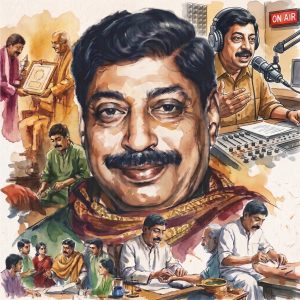
Significant Contributions:- he began to actively conduct and participate in various community outreach programs, workshops, and seminars. During the 90s, before the convenience of digital media, articles had to be handwritten, typed, and submitted to editors. He authored over 300 articles published in both English and Kannada in popular journals. He also regularly appeared on popular T.V. programs and radio talks, contributing to disseminating Ayurvedic knowledge.
Awards and Accolades:- He received several awards during his lifetime as a student and clinician and for supporting the community of Ayurveda clinicians. He has received the following major titles and awards:
- “State Award” for securing 1st rank in B.S.A.M.
- “Ayurveda Bhushan” from Ayurveda Vaidya Parishat Trust, Mysuru.
- “Ayurveda Vaidya Shiromani” from Shukla Yajurveda Shakha Trust, Mysuru.
- “Ayurveda Dinakara” from Chaitanya Prakashana, Bengaluru.
- “Kanwashree” Award in 2013 from S.S.Y.S. Trust, Bengaluru.
- “Kuvempu Vaidya Sahitya Prashasti Award” for the book Janapriya Ayurveda.
- “Kannada Sahitya Sammelan Award” by the Chief Minister of Karnataka—2019.
- Baidyaratnam Award 2019
Posthumously, Dr. Rao is announced to be honored with the prestigious “Pandit Ramnarayan Sharma’s National Ayurved Award” for the year 2022 for his immense contribution to the field of Ayurveda.
Publications:- His zeal to reach common people is demonstrated through his writing work, primarily in the local language, Kannada. He authored the following noteworthy books:
- Ayurveda Arogya Sutragalu (Kannada)
- Janapriya Ayurveda (Kannada)
- Asthama Rogigalige Ayurveda Arogya Sootragalu (Kannada)
- Ayurveda Sangathi (Kannada)
- Aushadeeya Sasyagala Aatmakatheya Suthamutha (Kannada)
- Ayurvedakke Antiruva Mudhanambikegalu (Kannada)
- Ayurvedic Health Codes (English)
He presented scientific papers of his work on Ayurveda at several seminars nationally and internationally:
- First World Congress on Oriental Medicine and Yoga in 1988—Bangkok.
- Third World Congress on Holistic Approach in Health in 1991—Bengaluru.
- Third World Congress on Ayurveda, Yoga and Traditional Systems of Medicine in 1989—Italy.
In modern health care, visionary Ayurveda doctors’ role gains increasing significance as they navigate the confluence of traditional wisdom and contemporary medical practices. Driven by clinical approaches, a commitment to producing tangible results, and community engagement, Dr. Rao has charted a course for a more comprehensive approach to health, ensuring the sustained relevance of Ayurveda in the present era. He exemplifies success in Ayurveda, demonstrating the potential for traditional medical systems to flourish in the contemporary world. By upholding Ayurvedic principles while embracing advancements in modern medicine, these practitioners play a crucial role in promoting the well-being of individuals and communities alike. Their dedication to continual learning and health care delivery establishes a benchmark for excellence in Ayurvedic practice.